

Opinión
Why the Dollar’s Stagnation Signals a Turning Point for USD/JPY
The dollar’s pause amid rising food‑energy inflation and a shrinking yield gap with Japan could reshape risk sentiment ahead of the US jobs report.

Bitcoin’s $80K Rally Is Forcing a Race for Institutional Infrastructure
The price surge is less a fiscal hedge than a pressure test for regulated products, clearing houses, and custodial standards that institutions demand.

Por qué la advertencia de inflación del BoC podría señalar un repunte prolongado de los precios
La reciente advertencia del Banco de Canadá sobre la inflación puede ser más que un titular: sugiere una política más restrictiva por delante, mientras que los movimientos de tipos de interés estadounidenses y las tendencias en los productos básicos configuran un escenario para una recuperación moderada del dólar canadiense.
Why Broker Liquidity Crunch Is the New Hidden Cost for CFD Traders
When market stress squeezes broker liquidity, CFD spreads widen and margin calls become more frequent, eroding retail returns even before financing fees bite.

¿Por qué el máximo de un semana del dólar canadiense indica algo más que un rebote temporal
El modesto ascenso del dólar canadiense ante la advertencia de inflación del BoC refleja una divergencia política más profunda y un contexto de precios de las materias primas que podrían rediseñar su trayectoria a medio plazo.
Los tipos de interés en aumento están convirtiendo el financiamiento a través de CFD en un impuesto oculta para los traders minoristas
Los aumentos de las tasas de los bancos centrales están inflando los costes de financiación de los CFD a corto plazo, erosionando los rendimientos para los inversores minoristas y provocando que se repasen las posiciones a largo plazo.

El lanzamiento de los derivados canadienses de Coinbase: un punto de inflexión para el acceso institucional a la criptografía
El debut de Coinbase de futuros regulados y perpetuos en Canadá podría remodelar la forma en que las instituciones interactúan con la criptomonedas, pero esta decisión también pone de manifiesto las lagunas persistenes en la supervisión en América del Norte.
El nuevo cuello de botella de la IA podría inclinar el equilibrio euro-dólar a favor del dólar
El aviso de Citi de que el movimiento de datos, y no la capacidad de cálculo bruta, limita ahora el crecimiento de la IA puede provocar una nueva espiral de inversiones en Estados Unidos, lo que fortalecerá el dólar y presionará al euro.
CFD con comisión cero: la ilusión de la negociación gratuita y lo que realmente cuesta a los minoristas
Los brokers promocionan ofertas de CFD con comisiones de cero, pero esos ahorros suelen compensarse con spreads más amplios, financiación más elevada y comisiones ocultas. Explico por qué la etiqueta «gratis» puede ser engañosa.

Por qué el aumento de 80.000 dólares de Bitcoin es una cobertura fiscal, no una rally basada en los fundamentos
La reciente subida hasta los 80.000 dólares refleja que los inversores están protegiendo el riesgo fiscal estadounidense, pero sin una sólida fortaleza en la cadena, el repunte podría ser efímero.

El tono cauteloso de la RBNZ supone una prueba a largo plazo para el dólar neozelandés
Un aumento de 25 puntos básicos hasta el 2,75% no pudo detener el descenso del 1% del dólar neozelandés: el contexto menos agresivo de la RBNZ podría redefinir el camino del dólar neozelandés en medio de un dólar fuerte y el aumento del precio del petróleo.

OPEC+ está perdiendo su control: ¿por qué la decadencia del cartel redefine el mercado del petróleo?
La retirada de China y el conflicto de Irán están restando cuota de mercado a OPEC+, lo que lleva a un régimen petrolero más volátil y orientado al mercado que tendrá repercusiones en otros productos básicos.

Hedging de los brokers: el conflicto silencioso que distorsiona los precios de los CFD minoristas
Argumento que la forma en que los corredores protegen sus propias carteras de CFD crea un conflicto de intereses oculto, distorsionando los precios para los traders minoristas y exigiendo una mayor transparencia.

Las instituciones deben lidiar tanto con los reguladores como con las perturbaciones del Medio Oriente para mantener viable la exposición a Bitcoin
El bitcoin se mantiene cerca de los 80.000 dólares mientras que los reguladores de Estados Unidos intensifican el control y las tensiones en el Medio Oriente aumentan, obligando a los inversores a equilibrar el potencial de protección frente al creciente riesgo político.
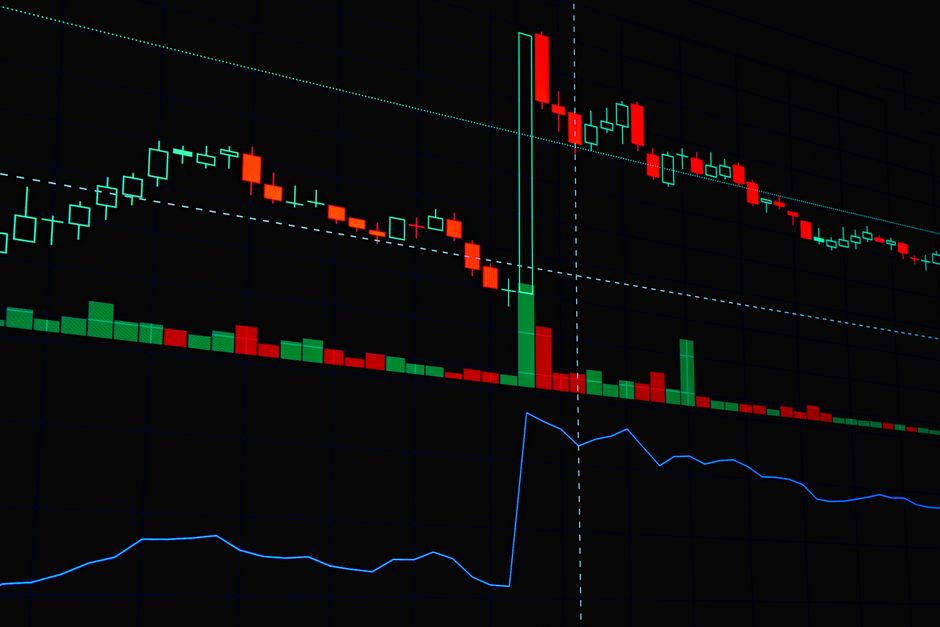
Los hilos de Jackson, las ganancias aumentan: ¿Por qué la calma del dólar puede ser cualquier cosa, excepto eso?
El avance constante del dólar a raíz del discurso de Jackson Hole del presidente de la Fed, Wilson, oculta una creciente divergencia con Asia, ya que el aumento de tipos de Corea eleva el won y redibuja las dinámicas de riesgo.
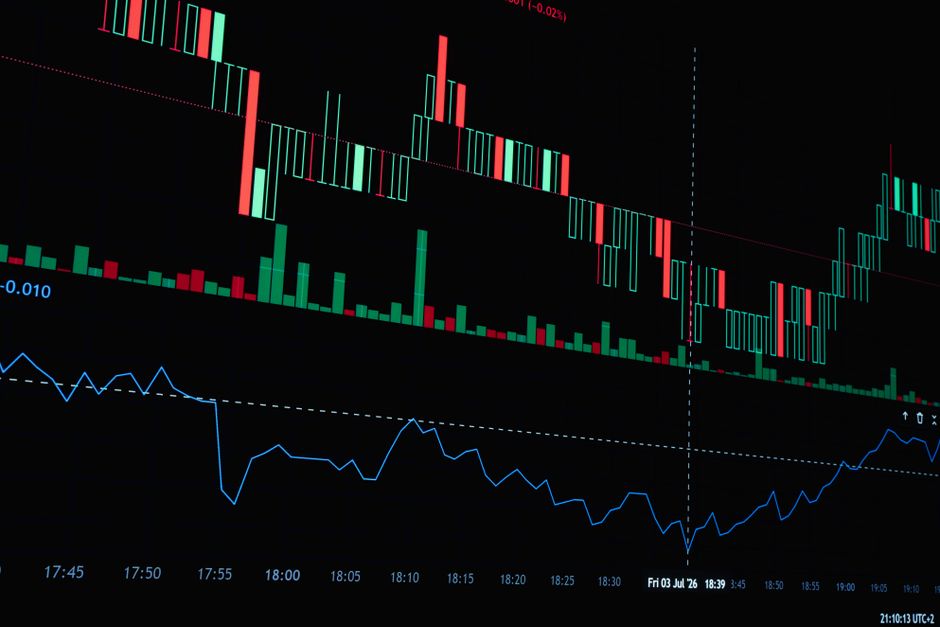
Precios basados en CFD con tecnología IA: conveniencia o nueva opacidad
Los brokers están implementando motores de aprendizaje automático para establecer los spreads de CFD en tiempo real, pero la velocidad y la opacidad de estos modelos plantean nuevos cuestionamientos de transparencia y eficacia para los traders minoristas.

Cronos Halt es una llamada de atención para la exposición a la DeFi institucional
El fraude de $75 millones de dólares en Tectonic que obligó a desconectar la red Cronos destaca el riesgo operativo que las instituciones no pueden ignorar, aun cuando siguen buscando mayores rendimientos en las cadenas alternativas.
El retroceso del petróleo desencadena un reajuste en Forex: divisas de materias primas bajo presión
Un desplome del Brent y el WTI superior al 2% tras las conversaciones entre Irán y Omán está devolviendo la aversión al riesgo, dejando expuestos al dólar canadiense, la corona noruega y el rublo ruso, mientras el dólar estadounidense gana un impulso moderado.

Por qué el auge del oro es un signo de advertencia para todo el complejo de productos básicos
Los aumentos de los rendimientos de los bonos estadounidenses y el esfuerzo fiscal están empujando a los inversores hacia el oro, pero la subida podría indicar presiones más profundas de salida de riesgo en el sector de la energía y de los metales.

¿Por qué el retraso en la ejecución de CFD es la amenaza silenciosa que subyace a las victorias minoristas?
Los traders minoristas celebran las bajas comisiones, pero el deslizamiento oculto y la latencia de ejecución pueden erosionar las ganancias más rápidamente que cualquier cargo de financiamiento.

Por qué el muro de oferta de Bitcoin cerca de los 80.000 dólares podría ser la próxima prueba de estrés institucional
A medida que Bitcoin se aproxima a un cluster de suministro histórico, el rally de precios podría depender menos de los titulares macro y más de cómo las instituciones navegan por una zona de liquidez en cadena muy limitada.
Alza y bajada de la IA: por qué el euro se enfrenta a una bifurcación
Los movimientos en materia de IA en Europa, desde la plataforma de flotas de Einride hasta las descalificaciones por parte de analistas de SAP, crean una narrativa dividida para el euro, equilibrando las esperanzas de productividad contra el sentimiento de riesgo a corto plazo.

Por qué el reciente retroceso del precio del petróleo es una ilusión, no una tendencia
La caída del 2 % en Brent y WTI parece un alivio del riesgo relacionado con Irán, pero la geopolítica subyacente y la prima de riesgo de suministro siguen estando intactas.
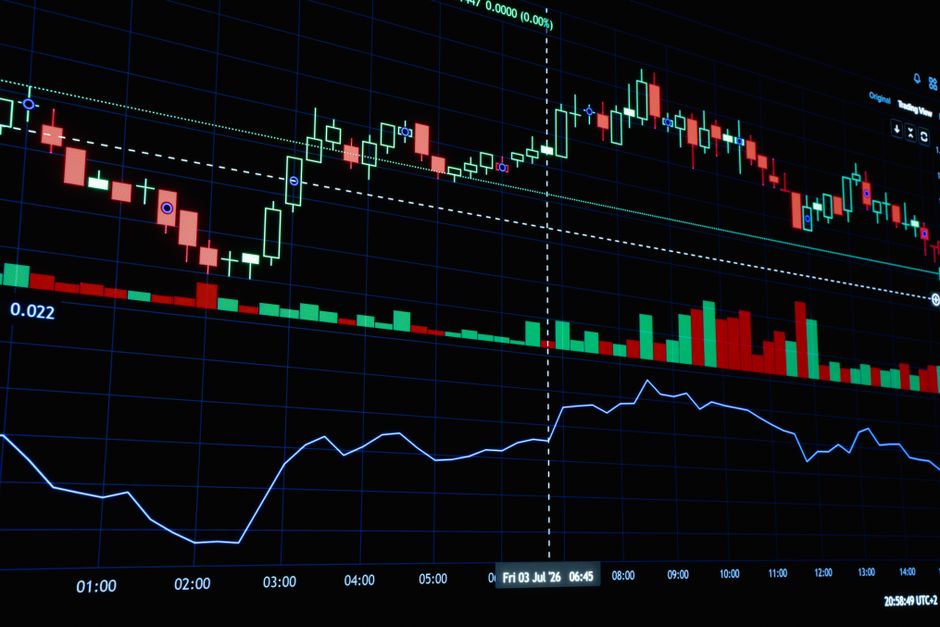
Por qué la represión de los CFD minoristas en los Estados Unidos podría cambiar el panorama de los derivados a nivel global
El nuevo enfoque de la SEC sobre la prohibición de los CFD para los traders estadounidenses no es solo un problema local: obliga a los brokers de todo el mundo a replantear el diseño de los productos, los controles de riesgo y la transparencia.

Thailand’s Draft Spot Crypto ETFs Signal a New Frontier for Institutional Adoption
The SEC’s proposal to launch Bitcoin and Ether ETFs on the Stock Exchange of Thailand could reshape Asian crypto markets, but investors must weigh regulatory clarity against execution risk.

Australia’s Investment Slump Signals a Softening AUD – Why the Greenback May Gain Ground
A 3.6% drop in Q2 business investment and a 53% plunge in IT equipment spending raise questions about the AUD’s near‑term outlook and could tilt risk‑on sentiment toward the dollar.
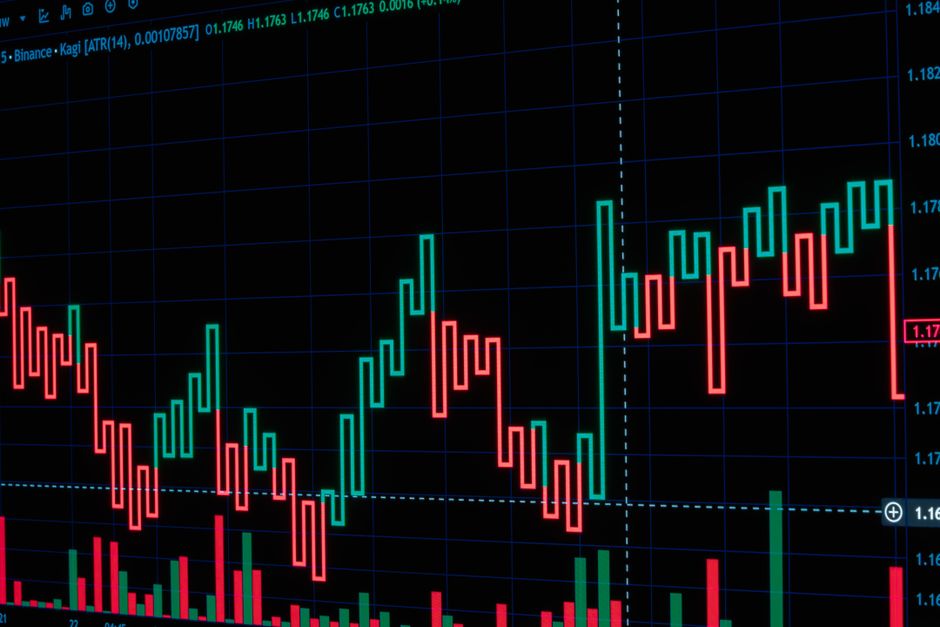
Why CFD Financing Fees Are the Silent Killer of Retail Returns
Retail CFD traders often overlook the cumulative impact of overnight financing charges, which can silently eat away profits even when spreads look attractive.

Why Chasing Bitcoin’s 2029 $300K Target Is a Dangerous Distraction for Institutions
Bernstein’s lofty forecasts sound enticing, but betting on a $300,000 Bitcoin price in 2029 could skew risk management and obscure real on‑chain fundamentals.
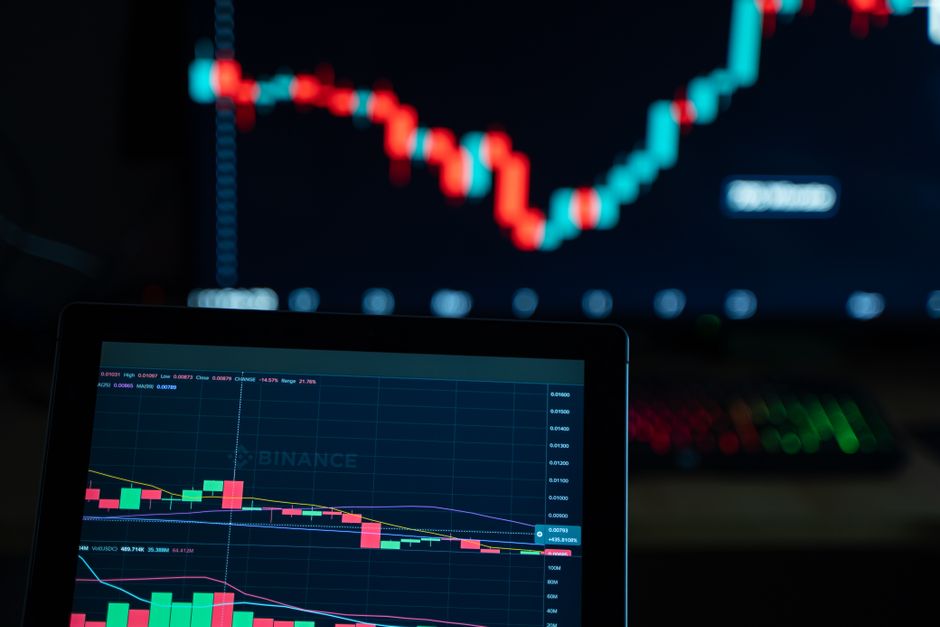
Why the Dollar’s Upcoming PCE Test Could Unsettle the Yield Curve—and What It Means for Euro‑Dollar
As core PCE looms, a retreat in long‑dated yields signals a fragile dollar rally; I argue the data will reshape expectations for Fed policy and the EUR/USD trajectory.

Synthetic CFD Indices: The Hidden Risk Behind the Hype
Retail traders are being lured by broker‑created synthetic indices, but the lack of a real underlying market raises transparency and regulatory concerns that deserve a hard look.

Why the Bitcoin Rally’s Real Test Is Coming From the Futures Market, Not the Fed
As Bitcoin hovers near $80,000, the next decisive move will likely be driven by institutional futures positioning rather than headline macro news.
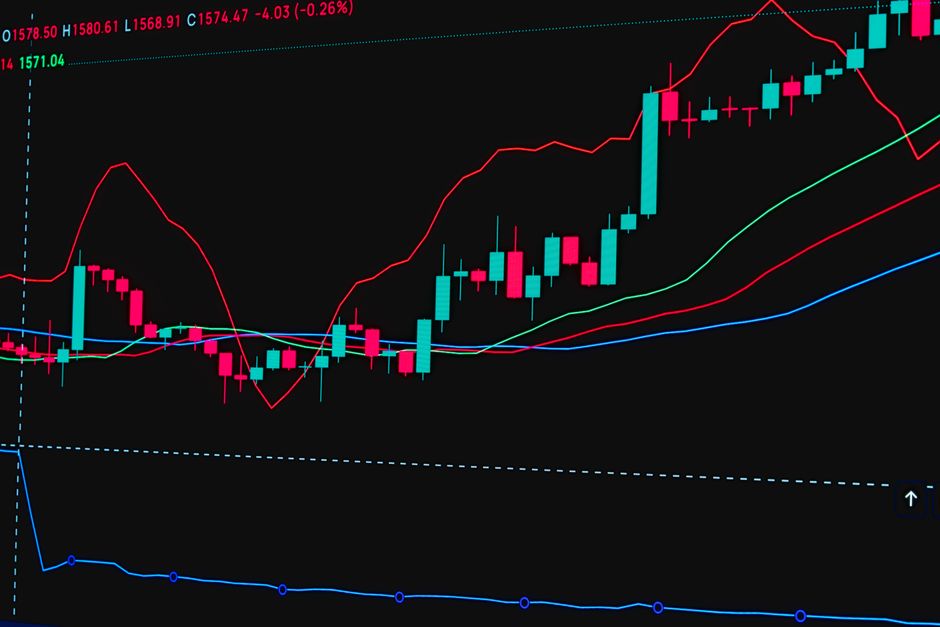
Why the Euro’s Three‑Month High May Be a Mirage Amid Dollar Weakness
The euro’s climb to 1.1682 looks impressive, but I argue it rests on a temporary US dollar wobble rather than a durable shift in monetary fundamentals.
AI Crackdown in Alabama Sends Ripple Through Forex Risk Appetite
The reported Alabama investigation into OpenAI and the resulting reported pause in model development are injecting fresh regulatory risk into markets, nudging safe-haven currencies and reshaping carry-trade dynamics.

Secondary sanctions on Iran will reshape oil flows more than we think
Washington’s new secondary sanctions on Iran could reroute global oil trade, tighten financing and raise the geopolitical risk premium on crude.
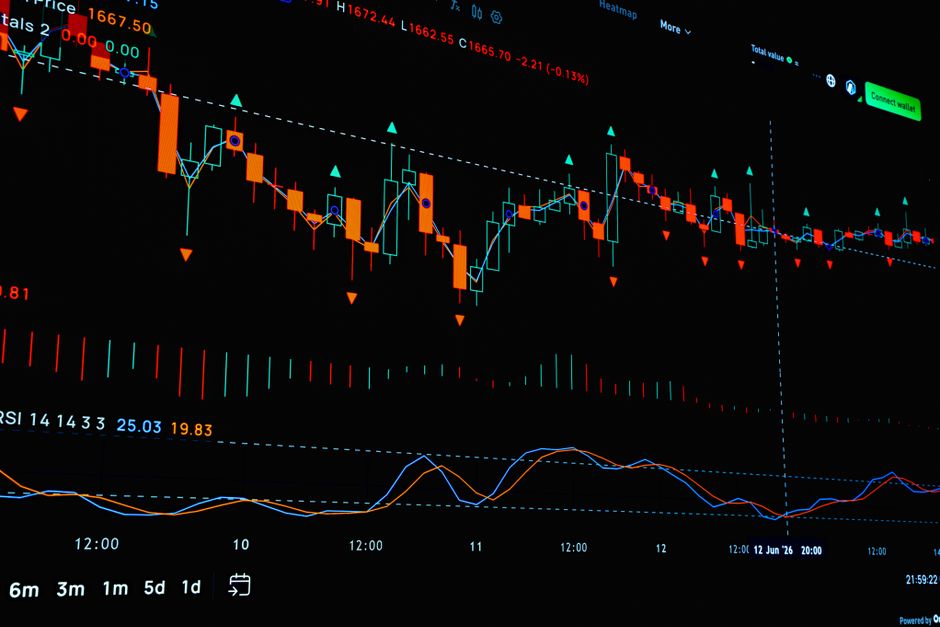
Speed vs Safety: Why Sub‑Millisecond CFD Quotes Threaten Retail Protection
Drovix’s ultra‑fast pricing may look like a win for traders, but the race to sub‑millisecond quotes introduces hidden liquidity and regulatory gaps that put retail investors at greater risk.
Why Solana’s Push for Bigger Daily Burns Could Redefine Its Tokenomics
Solana’s upcoming governance vote to raise daily token burns to $800,000 is more than a headline—it’s a test of how the network balances inflation, scarcity and investor confidence.

Why the EUR/NZD Correction May Signal a Wider Euro Weakness Cycle
The technical dip in EUR/NZD is more than a chart pattern – it reflects the ECB’s easing path, the RBNZ’s tightening and a shifting risk appetite.
Norway’s Arctic Drill‑Down: Why Europe’s Energy Security May Cost More Than It Saves
Oslo’s decision to push ahead with Barents Sea drilling pits sovereign oil ambitions against the EU’s climate push, reshaping Europe’s supply outlook and the politics of Arctic exploitation.

Drovix’s In‑House Stack: A Data Dependency Dilemma for Retail CFD Markets
Drovix’s new multi‑asset pricing engine promises sub‑millisecond quotes, but its heavy reliance on fifteen tier‑1 feeds creates a hidden fragility that could ripple through retail CFD pricing.

Why PostFinance’s Flexible ETH Staking Could Accelerate Institutional Adoption
Swiss bank PostFinance drops lock‑up periods for Ethereum staking, letting investors unstake twice a week—a move that could reshape how institutions view on‑chain yield.
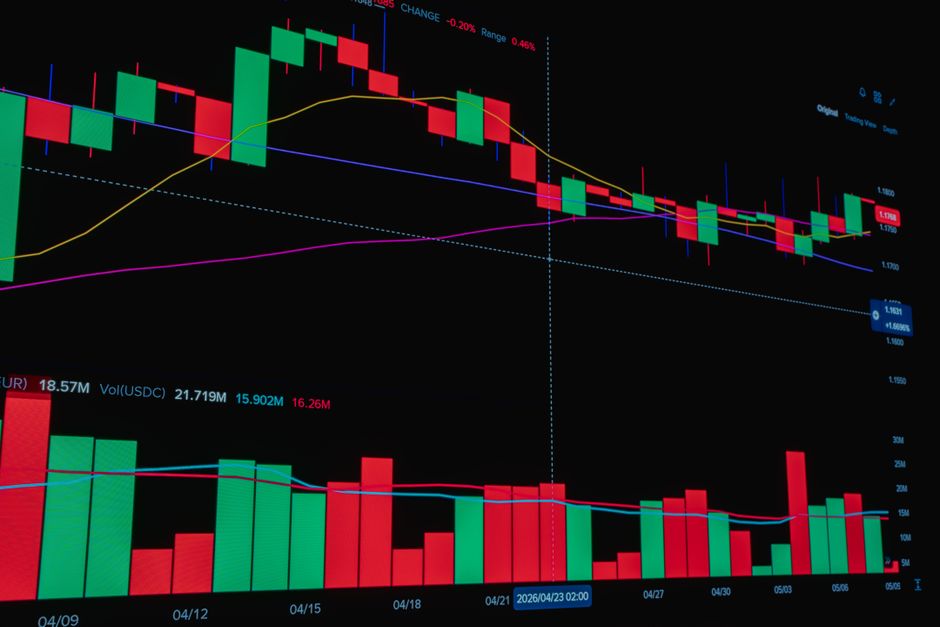
Why the Dollar’s Three‑Month Lull Is a False Calm for Asian FX
The greenback’s near‑mid‑May lows have left Asian currencies perched on a knife‑edge, with policy divergences and trade frictions shaping the next move.

Sub‑Millisecond CFD Quotes: A Double‑Edged Sword for Market Integrity
Drovix’s ultra‑fast pricing promises tighter spreads, but the race to the nanosecond raises hidden micro‑structure risks and regulatory headaches for retail CFD traders.

Why XRP’s 11% Plunge Is a Reality Check for Institutional Crypto Bets
The sharp drop in Ripple’s token underscores how regulatory uncertainty and thin market depth can quickly erode the optimism that followed its recent rally.
Japan’s Trade Gap Shrink Signals a Subtle Shift for the Yen
A 23% export surge helped narrow Japan’s July trade deficit, but the impact on the yen and BOJ policy is more nuanced than a simple rally.

Sub‑Millisecond Execution: The New Arms Race in CFD Trading
Drovix’s in‑house pricing engine promises sub‑millisecond quotes across 1,000 instruments. I argue that the speed war reshapes retail CFD dynamics, but it also raises hidden costs and regulatory questions.

Why the $800 Million ETF Inflow Marks a New Inflection Point for Institutional Crypto
Spot Bitcoin and Ether ETFs attracted $800 M in two days, signaling a shift in institutional capital but also exposing new concentration risks and regulatory challenges.
Hormuz Tensions Reset the FX Carry‑Trade Landscape
Escalating US‑Iran friction and a near‑halt in Strait of Hormuz oil flows are reshaping risk sentiment, reviving safe‑haven funding currencies and forcing a rethink of high‑yield carry trades.

U.S. Rare‑Earth Funding in Africa: A Token Gesture or Real Supply‑Chain Shift?
The Development Finance Corporation’s $62.8 million pledge to African rare‑earth projects sounds like a strategic win, but private‑sector hesitation suggests the road to a diversified market is still steep.
Rising Funding Rates Turn CFD Longs Into Costly Bets
As central banks keep pushing rates higher, the financing charges on leveraged CFD longs are eroding returns and forcing traders to rethink risk management.
Why Tokenized Stocks Could Be the Missing Piece in America’s Crypto Playbook
Robinhood’s CEO urges U.S. regulators to clear the path for tokenized equities, a move that could accelerate institutional crypto adoption and reshape market structure.

Why the Swiss Franc Is Poised to Re‑Emerge as the Go‑To Funding Currency
After a rare yen intervention, traders are eyeing the franc’s zero‑rate environment as the next cheap carry, a shift that could reshape EUR/CHF and USD/CHF dynamics.
Brent’s $92 Surge Makes Renewable Diesel a Real Contender
As crude climbs past $92 a barrel, XCF Global’s Reno plant begins shipping renewable diesel, forcing the diesel market to re‑price on a new competitive footing.

24/7 Equity CFDs Turn News Cycles Into Retail Minefields
Retail traders now face a nonstop barrage of macro news that can swing CFD prices while the underlying market sleeps, raising hidden volatility and risk‑management challenges.
Why Visa’s Search for a New Stablecoin Partner Is a Litmus Test for Crypto’s Payment Future
Visa’s hunt for a replacement after selling BVNK highlights the growing pains of integrating stablecoins into mainstream payments, and it could reshape how institutions view crypto‑based settlement.

Britain’s Drone Row Could Turn the GBP into a Risk Barometer
Escalating UK‑Russia tensions over alleged drone use are reshaping risk sentiment, and the pound may start behaving more like a safe‑haven proxy than a pure policy‑driven currency.
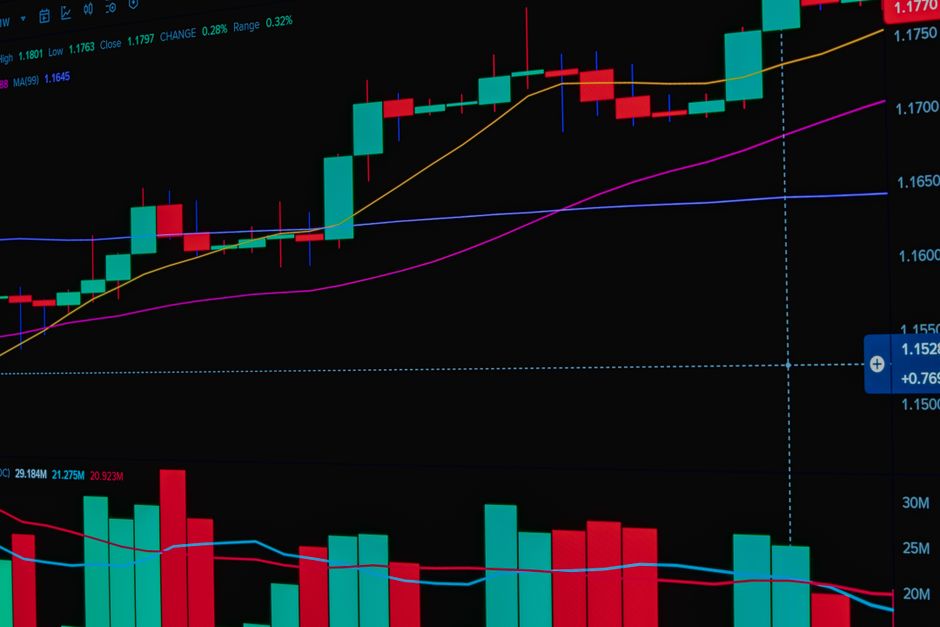
The hidden operational toll of 24/7 Stock CFDs
STARTRADER’s 45 new round‑the‑clock equity CFDs sound like a retail breakthrough, but the back‑office, data and tech challenges may outweigh the convenience for many traders.

Why Bitmine’s Growing Ethereum Stash Signals a New Institutional Playbook
Bitmine’s recent purchase pushes its ETH holdings to 4.8% of supply, a clear sign that institutional treasuries are treating Ethereum as a core asset, not a side bet.

Why Canada’s Inflation Surprise Is a Double‑Edged Sword for the Loonie
The latest CPI beat forces the Bank of Canada onto a tighter path, but higher rates could also dampen growth and reignite USD‑CAD volatility.
Why 24/7 Stock CFDs Are a Double‑Edged Sword for Retail Traders
STARTRADER’s rollout of 45 new round‑the‑clock equity and ETF CFDs promises constant market access, but it also exposes traders to thin liquidity and pricing quirks that could undermine risk management.
Why Asia’s Midnight Surge in Bitcoin Matters More Than the $64k Milestone
A $64,000 Bitcoin price spike in Asian trading isn’t just a headline—it reveals shifting liquidity, regulatory nuance, and a new institutional entry point.

Why the US‑Canada Tariff Standoff Could Rattle the CAD More Than You Think
The looming May 1 deadline on reciprocal tariffs is reshaping risk sentiment on the Canadian dollar, and the fallout may extend beyond the border into broader FX dynamics.
The CFTC’s Emergency Order Signals a Tipping Point for Event‑Based CFDs
When the regulator stepped in to keep Kalshi alive amid a New York lawsuit, it revealed how fragile the event‑contract ecosystem is and why CFD providers must rethink product design.
Why the Crypto Advice Gap Threatens Institutional Adoption
Financial advisors are scrambling for guidance as client demand for digital assets surges, exposing a regulatory blind spot that could stall the next wave of institutional money.
The Supertanker’s Return: What Saudi’s Shipping Revival Means for Oil‑Linked Currencies
A supertanker docking at Ras Tanura after weeks of absence signals easing of Red Sea bottlenecks. I argue that the move will temper the recent rally in oil‑linked currencies and re‑anchor risk sentiment.

China’s Copper Shortage Signals a Global Supply Shock – Why It Matters for Metal Markets
China’s refined copper output is set to decline for a second month as smelters grapple with raw material shortages, a development that could tighten global supplies and lift prices.
Why the Kalshi‑FlightAware Fight Matters for the Future of Event‑Based CFDs
The clash between Kalshi and FlightAware highlights a regulatory blind spot for event‑driven contracts, forcing the CFD community to confront the gambling versus finance debate head‑on.

Why Miner Sell‑offs Are the Real Stress Test for Institutional Crypto
Public miners have dumped $1.78 bn of Bitcoin, exposing how thin margins and macro pressure could reshape institutional appetite for the asset.
Oil Supply Cuts Revive Commodity‑Currency Rally – Why the CAD and NOK May Outrun the Dollar
The IEA’s 2026 oil supply downgrade amid Middle‑East tensions is reshaping risk sentiment, giving a fresh boost to oil‑linked currencies while keeping the dollar’s safe‑haven appeal in check.

MiCA’s Dawn: Why Europe’s Crypto Blueprint Will Redefine Institutional Playbooks
The EU’s Markets in Crypto‑Assets regulation is finally live, and its compliance demands are forcing institutions to rethink custody, token issuance and risk management in ways that could set a global standard.
Ukraine’s Currency Liberalisation: A Quiet Game‑Changer for the FX Market
The National Bank of Ukraine’s sweeping reforms could unlock liquidity, reshape the hryvnia’s trajectory and subtly shift risk sentiment across emerging‑market FX pairs.

CFD Volume Surge Is Skewing Index Price Discovery – A Warning for All Market Participants
Retail CFD trading has reportedly jumped 40% this summer, but underlying index markets haven’t kept pace, creating a dangerous disconnect that reportedly threatens true price discovery.
Why the Euro’s Next Move Hinges on US Inflation, Not ECB Whispers
The euro-dollar pair is approaching the 1.1680 ceiling, but the real driver will be Thursday’s US CPI — a softer print may reportedly give the euro a lift, while a hotter one may reportedly keep it pinned down.
Why the SEC’s Spot Bitcoin ETF Decision Will Redraw Crypto’s Institutional Landscape
The SEC’s pending verdict on spot Bitcoin ETFs is more than a product launch—it’s a litmus test for how regulators, custodians and institutions will coexist in a maturing crypto market.

CME’s Cleared Bitcoin Options Could Redraw Institutional Risk Playbooks
The new CME Bitcoin options market brings clearing‑house rigor to crypto, but it also raises questions about liquidity, pricing and the regulatory tightrope institutions must walk.
Why US Attempts to Save the Yen Are Doomed to Slip
The Treasury’s recent yen‑support moves clash with a widening US‑Japan rate gap and a resilient dollar, making any short‑term fix fragile.

Hormuz Tensions Are Fast‑Tracking the US Shale Resurgence
With the Strait of Hormuz again a flashpoint, investors are betting on domestic oil supply, reshaping the global oil narrative beyond OPEC dominance.
Regulators Must Act Before the CFD Summer Surge Turns Toxic
The 40% jump in retail CFD volume is a warning sign that regulators can no longer ignore. I argue that tighter leverage caps and clearer disclosure rules are overdue.

Why Hormuz Tensions Are Driving Up Shipping Insurance and Squeezing Refiners
As Iran and Oman edge toward a Hormuz reopening, the real price shock is coming from soaring marine insurance premiums that are adding a hidden cost to crude and tightening refinery margins.
Crypto’s Institutional Pivot: Why Platforms, Governance, and Niche Licenses Matter
Emerging service platforms like TropixPro, Bitcoin’s governance turmoil, and Bhutan’s new crypto license illustrate how the market is moving from hype to a quest for sustainable legitimacy.
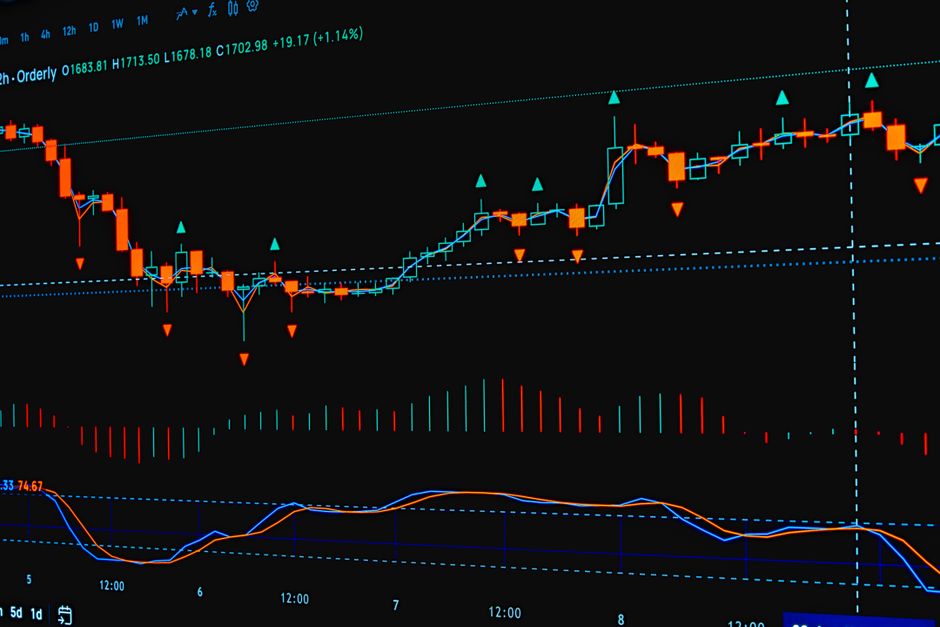
Retail CFD frenzy fuels 40% volume surge amid summer volatility
Brokers report a 40% jump in retail CFD trading on major indices as summer volatility spikes, while new entrant TropixPro accelerates the market’s accessibility.
German factories revive, but ECB’s policy dilemma persists
A second month of stronger industrial output in Germany eases manufacturing worries, yet the European Central Bank still faces a tightrope between inflation control and growth support.

Why the Euro’s Slip and the Pound’s Pause Signal a Turning Point in FX
The euro’s slide after the ECB hinted at a September cut and a steadier dollar ahead of US payrolls leave the pound in limbo, reshaping the Euro‑Dollar‑Pound triangle.

Hormuz, Gold and Avocados: Why Geopolitics Still Drives Commodities
Iran’s near‑term Hormuz opening, a bullish call on gold and a tentative avocado restart all point to a market where geopolitical risk and supply bottlenecks still dominate price moves.
Why Bitcoin’s Governance Crisis and Bhutan’s Crypto License Reveal the Market’s New Fault Lines
The clash between waning miner support for BIP‑110 and exchanges courting regulated niches like Bhutan shows crypto is shifting from hype to a battle for legitimacy and sustainable structure.