Swiss inflation accelerated to 0.8% in August from 0.4% the prior month, surpassing all 16 economist estimates compiled by Bloomberg and reaching the highest level since mid-2022. The increase was driven primarily by surging energy prices, which rose about 25% year-over-year, while core inflation—a measure excluding volatile components—edged up to just 0.4% from 0.3%. Analysts noted the sharp divergence suggests temporary supply-side pressures rather than broad-based price pressures.
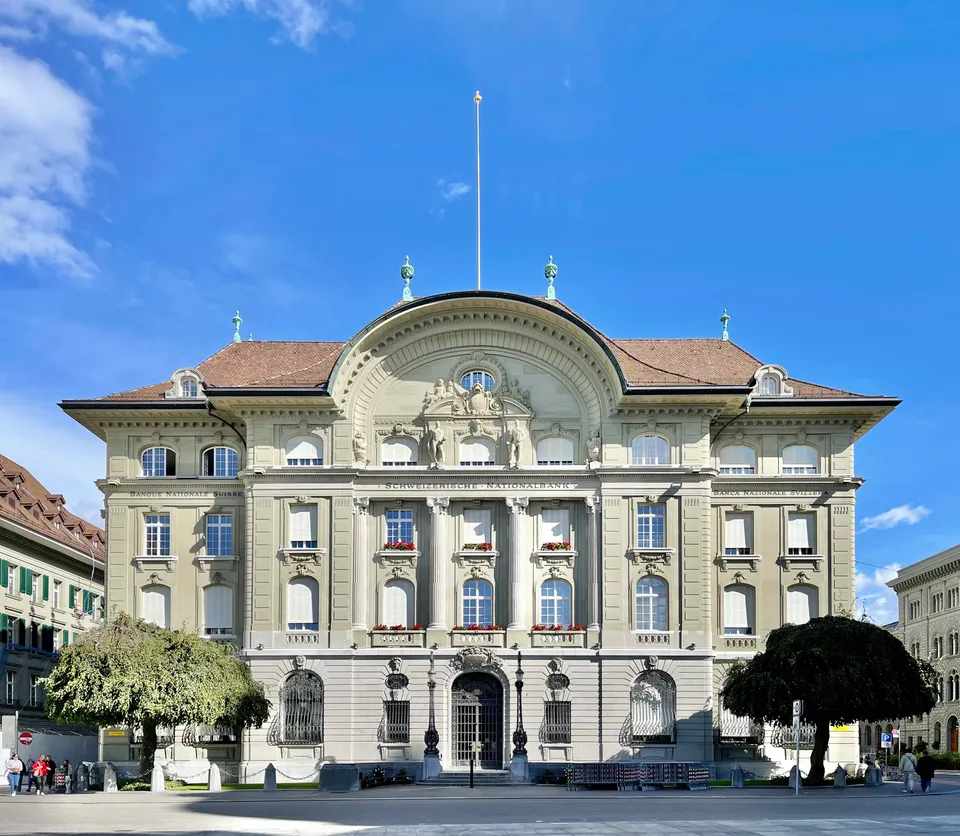
The surprise inflation reading has marginally increased market expectations for a Swiss National Bank (SNB) policy shift, though most economists still expect the central bank to maintain its negative policy rate at least through 2027. A 25-basis-point hike by summer 2027 is currently priced in with 68% probability, according to Derivox data, up from prior estimates. The SNB’s next policy meeting is scheduled for September 24.
Chief economist Thomas Gitzel of VP Bank said the SNB faces growing pressure to act, noting that a 0.8% inflation rate is inconsistent with a deeply negative Saron rate. While the central bank is not under immediate pressure given still-low absolute inflation, Gitzel added that inflation risks have shifted to the upside. "A December hike cannot be ruled out," he said, though he emphasized that sustained core inflation would be required to justify tightening.
Swiss interest rate markets showed little reaction to the data. Two-year swap rates, which influence mortgage pricing, rose only marginally, while the yield on the 10-year Swiss government bond remained unchanged. Analysts attributed the muted response to the dominance of energy-driven inflation and the limited pass-through to broader prices.
The Swiss franc’s recent weakness has also contributed to imported inflation, with import prices contributing more to the August CPI increase than domestic prices. Core inflation excluding energy and import-sensitive items remains subdued, reinforcing expectations that the SNB will prioritize stability over preemptive tightening in the near term.