Gold prices extended declines on Wednesday as signs of progress in Middle East diplomacy reduced safe-haven demand, while U.S. inflation data and Federal Reserve signals at the Jackson Hole symposium kept markets on edge.
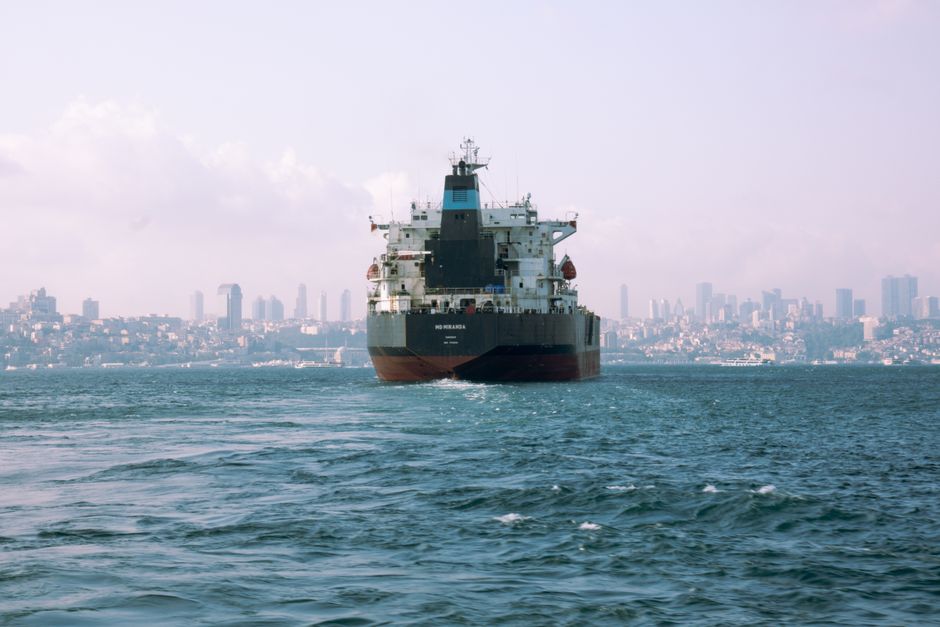
The yellow metal slipped for a third consecutive session, with front-month futures in New York last trading around $4,660 per ounce, down more than 1.5% on the day. The retreat followed reports that Iran and Oman had engaged in talks aimed at establishing a temporary joint maritime corridor through the Strait of Hormuz, a critical chokepoint for global oil and liquefied natural gas shipments.
Iran’s state media cited a senior Islamic Revolutionary Guard Corps spokesperson as saying that Tehran and Muscat had reached agreement on territorial and revenue shares, though the details of any deal remained undisclosed. The Strait of Hormuz, through which roughly one-fifth of global oil transits, has seen shipping largely suspended since February amid heightened U.S.-Iran tensions. Earlier this month, Iran had suggested a deal was imminent, but Reuters reported on Wednesday that no final agreement had been formalized.
The easing of geopolitical risk contributed to a broader retreat in commodity markets, with Brent crude oil falling below $90 per barrel on expectations that hostilities could de-escalate. U.S. Treasury yields traded within narrow ranges, while a slightly stronger-than-expected U.S. personal consumption expenditures (PCE) report underscored persistent inflation pressures ahead of the Federal Reserve’s September policy meeting.
The Commerce Department’s Bureau of Economic Analysis reported that the headline PCE index rose 0.2% month-on-month in July, matching the prior month’s gain and lifting the annualized reading to 3.7%, above forecasts of 3.6%. The core PCE index, excluding food and energy, also rose 0.2% month-on-month and 3.3% year-on-year, in line with economist projections. Markets are now pricing a roughly 60% probability that the Fed will hold its benchmark rate steady at a range of 3.5% to 3.75% next month, according to CME FedWatch data, with a 40% chance of a 25-basis-point hike.
Federal Reserve Chair Kevin Warsh is scheduled to deliver his first major address at the Jackson Hole economic symposium on Friday, where investors will seek clarity on the central bank’s approach to balancing inflation risks against economic growth. Warsh has previously indicated a preference for reducing explicit forward guidance, allowing market forces to play a larger role in rate determination—a stance that contrasts with recent U.S. Treasury interventions under Secretary Scott Bessent aimed at managing long-term borrowing costs.
The technical outlook for gold remains a key focus for traders. According to the analysis, a daily close below $4,649 could shift the metal’s technical picture, potentially opening the door to further downside. On Wednesday, gold futures opened at $4,677 per ounce before easing, leaving the critical support level in play as geopolitical and macroeconomic developments continue to unfold.