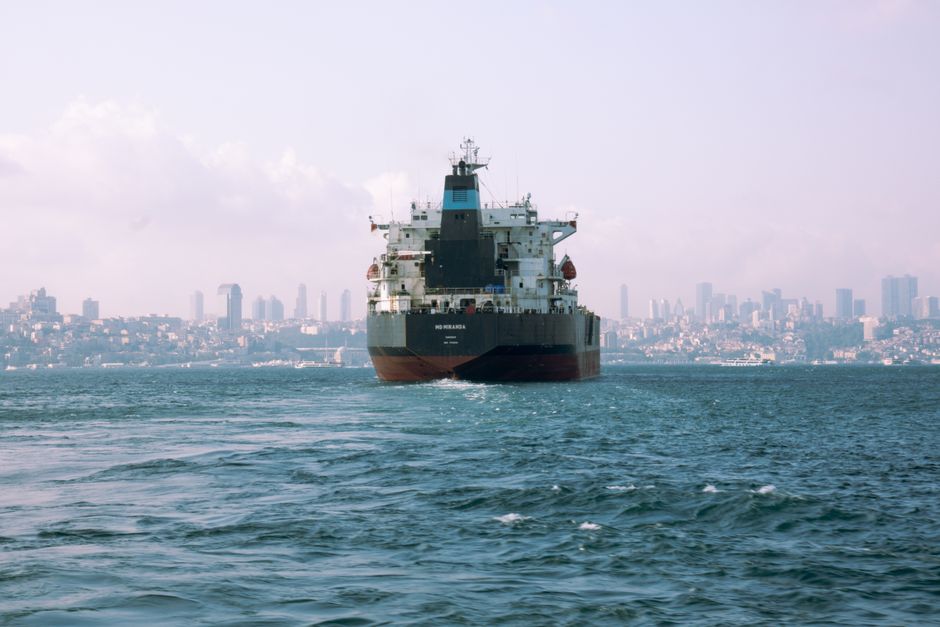
Maritime traffic through the Strait of Hormuz, a critical chokepoint for global oil shipments, remained subdued on Tuesday, with only five cargo ships recorded transiting the waterway, according to ship-tracking data from Kpler.
The figure falls short of the 10-day average of 15 vessels and marks a slight decline from Monday’s four transits. The latest data, released at 01:08 Brasília time on Wednesday, shows two outbound oil tankers carrying liquefied petroleum gas and bitumen leaving the Persian Gulf via the strait, while two empty petrochemical product tankers entered from the Gulf of Oman.
The Strait of Hormuz connects the Persian Gulf to the Gulf of Oman and is a vital route for roughly one-fifth of global oil supply. Recent diplomatic efforts between Iran and Oman have raised expectations of improved maritime stability, with discussions including the creation of a joint temporary corridor and the removal of naval mines. Analysts caution, however, that such agreements may not immediately translate into normalized oil flows.
ING Economics noted in a research brief that any accord between Tehran and Muscat would not necessarily restore full operational capacity to the strait. The firm emphasized that broader geopolitical conditions, including U.S. sanctions on Iran, would need to ease before significant normalization could occur. “It would likely be necessary for the U.S. to suspend the blockade on Iranian ports and relax sanctions before we observe any progress toward normalization,” ING stated.
Elsewhere in the region, traffic through the Bab el-Mandeb Strait, another key shipping lane, held steady at 31 commodity ships on Tuesday, aligning with the 10-day average. Ship-tracking data remains subject to revision, as vessels occasionally disable location transponders during transit.