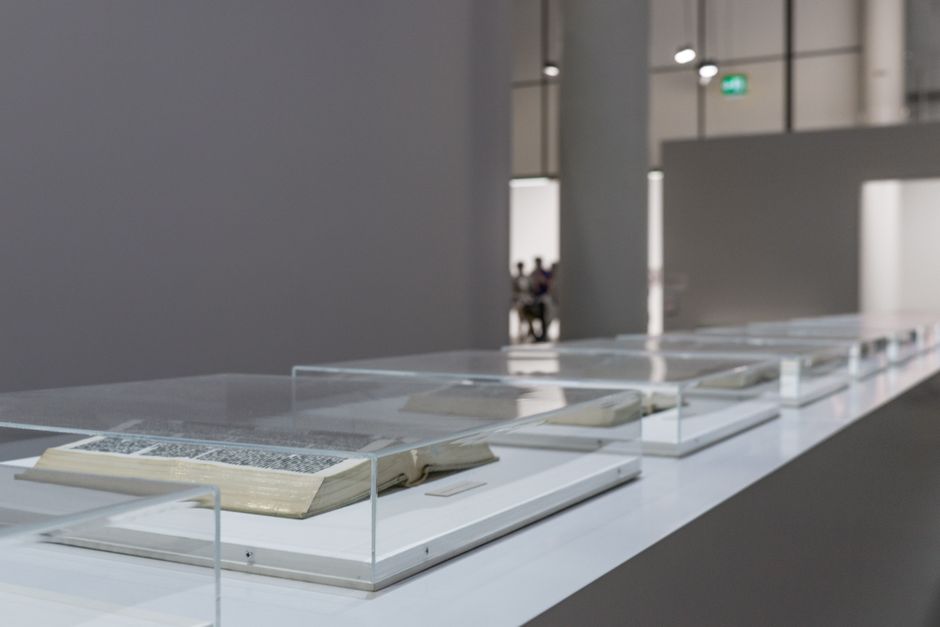
UBS has opened an exhibition tracing nine pivotal moments in its 80-year technological transformation, from the introduction of punch-card systems in 1947 to the deployment of more than 560 artificial intelligence applications today.
The display, titled Schlüsselmomente, begins with the 1947 adoption of punch cards at a predecessor bank, followed by the installation of mainframe computers in the 1950s. Some systems, such as the Bull Gamma 60, processed up to 60,000 transactions per minute, though weighing as much as 3.5 tonnes and occupying entire rooms. By 1967, the first cash machine in Switzerland debuted outside the bank’s Zurich headquarters on Bahnhofstrasse, among the first globally alongside the UK’s inaugural device.
Initially dubbed the 'Golddukatenesel'—a nod to its ability to dispense cash on demand—the ATM was marketed with the slogan 'No money and all banks closed,' highlighting its role in circumventing branch hours. The technology later evolved into home banking in the 1990s and mobile banking in the 2010s, culminating in today’s AI-driven tools.
UBS corporate historian Christian Leitz notes that the exhibition’s interactive elements, including historical audio clips, underscore how once-revolutionary innovations now appear quaint. A 1984 desktop PC, for instance, is juxtaposed against modern AI systems that, while intangible, power over 1,400 applications across the bank—560 in production and 900 in development. These tools are increasingly embedded in client-facing services, particularly in wealth management, where AI augments but does not replace human advisors.
The exhibition, open at UBS’s Zurich headquarters since August 26, offers a retrospective on how incremental technological shifts have redefined banking, from mainframes to smartphones to AI.