Gold futures advanced 3.3% to $4,567.94 per ounce on Wednesday, while spot gold climbed 4% to $4,508.28, regaining the $4,500 mark for the first time since early June. Both contracts reached their highest levels since May 29, paring losses after a steep decline earlier in the session.
The rebound followed a 9.2-basis-point drop in the 30-year U.S. Treasury yield to 5.193%, unwinding a surge that had pushed it to 5.337%—its highest since June 2007—before easing. The dollar index also slipped in response to the decline in yields. Brent crude futures rose 0.2% to $91.20 a barrel, leaving oil prices nearly 3% higher for the week.
The U.S. Department of the Treasury announced plans to double the size of its liquidity-supporting buyback operations for longer-dated nominal coupon securities, effective September 9. The program, covering 10-to-20-year and 20-to-30-year sectors, will expand from $2 billion to $4 billion per operation, citing strong sponsorship from market participants.
Analysts at Interactive Brokers noted the move aims to suppress elevated long-term rates, framing it as a form of yield curve control. "The increase in buyback sizes reflects Treasury's desire to provide greater liquidity support where consistent strong sponsorship exists," the department stated. José Torres, senior economist at Interactive Brokers, added that the shift would be financed through heavier bill issuance at shorter maturities, shielding the government from immediate fiscal pressures.
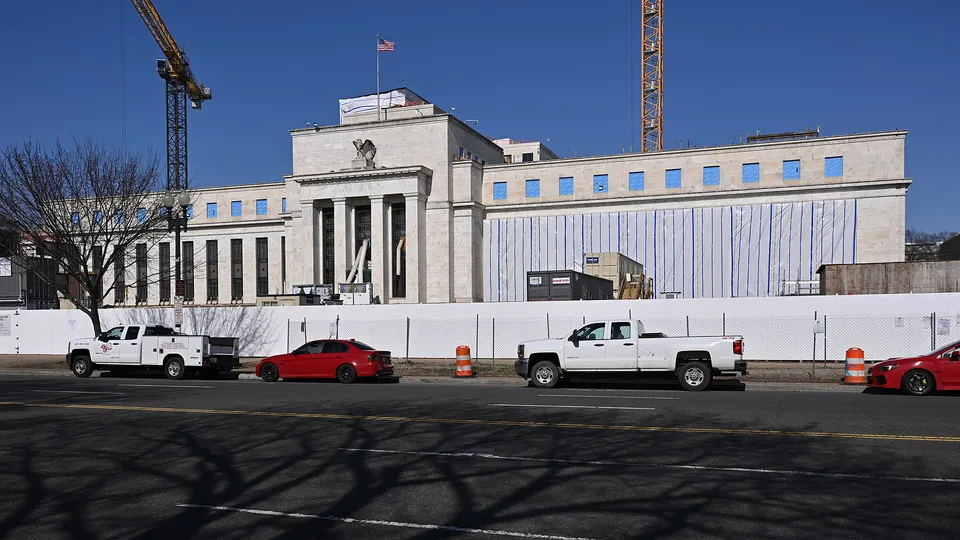
The Federal Reserve's July meeting minutes, released later in the day, highlighted uncertainty around inflation and risks skewed to the upside. Participants noted that recent geopolitical tensions in the Middle East could prolong supply chain disruptions and stoke inflationary pressures. Many judged that incoming data would be critical in clarifying the inflation outlook before any policy adjustments.
Oil prices remained supported by Middle East developments, with Brent crude holding above $91 a barrel. President Donald Trump reiterated U.S. control over the Strait of Hormuz but indicated no imminent talks with Iran were scheduled.