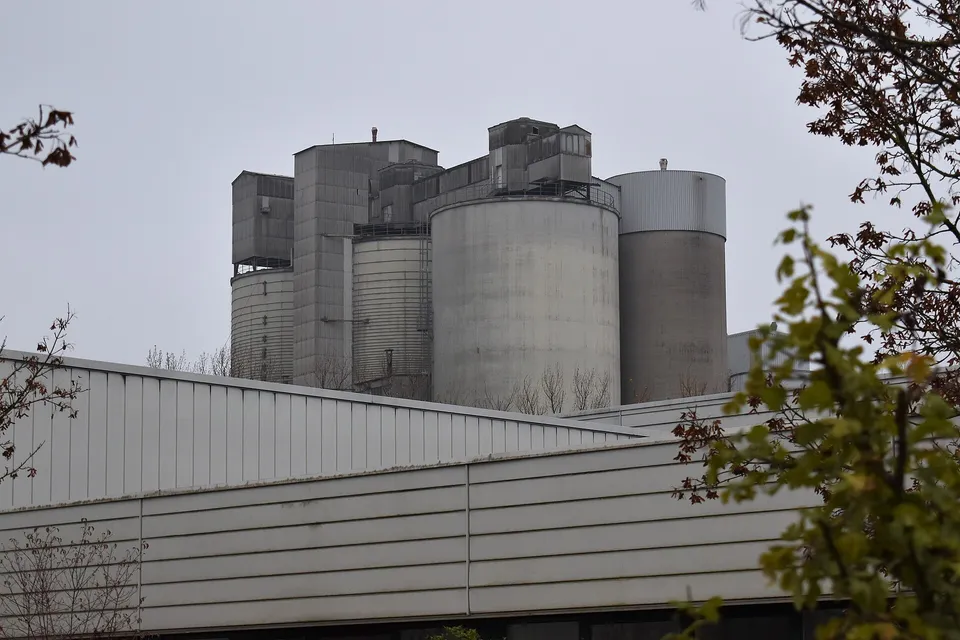
Ampol surged 4.4% to A$41.59 on Monday after reporting a record first-half profit, driven by sharply higher refining margins at its Lytton refinery and the integration of EG Australia.
The Australian fuel refiner and retailer posted underlying net profit after tax of A$857.2 million for the six months ended June 30, 2026, a 376% increase from A$180.2 million in the prior corresponding period. The result exceeded market consensus estimates of about A$840 million.
Refining margins at the Lytton facility averaged US$28.26 per barrel, up roughly 280% from the prior year, reflecting tighter sulfur specifications and improved product pricing. Refining EBIT advanced 245% to A$1.39 billion.
Ampol also raised its interim dividend to 185 cents per share, more than quadrupling the prior-year payout. The company maintained a strong balance sheet with A$5.8 billion in committed liquidity and net leverage of 1.8 times, following the completion of the EG Australia acquisition.
The Lytton Ultra Low Sulfur Fuel Project remains on track for late 2026 completion, while integration synergies from EG Australia are expected to reach A$65–80 million annually within two years. The broader S&P/ASX 200 index rose about 0.6% on the day.