





The German government is exploring short-term measures to ease the financial burden on consumers facing rising fuel prices, which have surged to near-record levels. Federal Chancellor Friedrich Merz (CDU) indicated the government would soon propose a framework to address the issue, though the exact instruments remain unspecified. Merz noted that while the Bundeskartellamt’s oversight of market practices is in place, it is insufficient to fully mitigate consumer concerns, particularly for those reliant on daily vehicle use. The government is in close coordination with state authorities on the matter, as fuel prices continue to climb: Super E10 averaged 2.286 euros per liter, while Diesel reached 2.412 euros, just a few cents below a record high. Economic Minister Katherina Reiche (CDU) suggested direct subsidies for vulnerable groups, though internal party divisions persist over the approach. CDU politician Sebastian Steineke proposed lowering the Energiesteuer to the EU minimum and reviewing CO2 pricing to prevent social strain on climate efforts. Meanwhile, the far-right AfD has pushed for permanent reductions in fuel taxes, including abolishing the CO2 levy and lowering VAT, as part of its electoral platform in Mecklenburg-Vorpommern.
Germany Announces Short-Term Fuel Price Relief Measures
The German government is considering immediate consumer relief on fuel costs amid rising prices, with discussions including potential tax adjustments and targeted subsidies.
DC
David Chen · Commodities Desk · 15 Sept 2026 · 23:05 · 1 min de lecture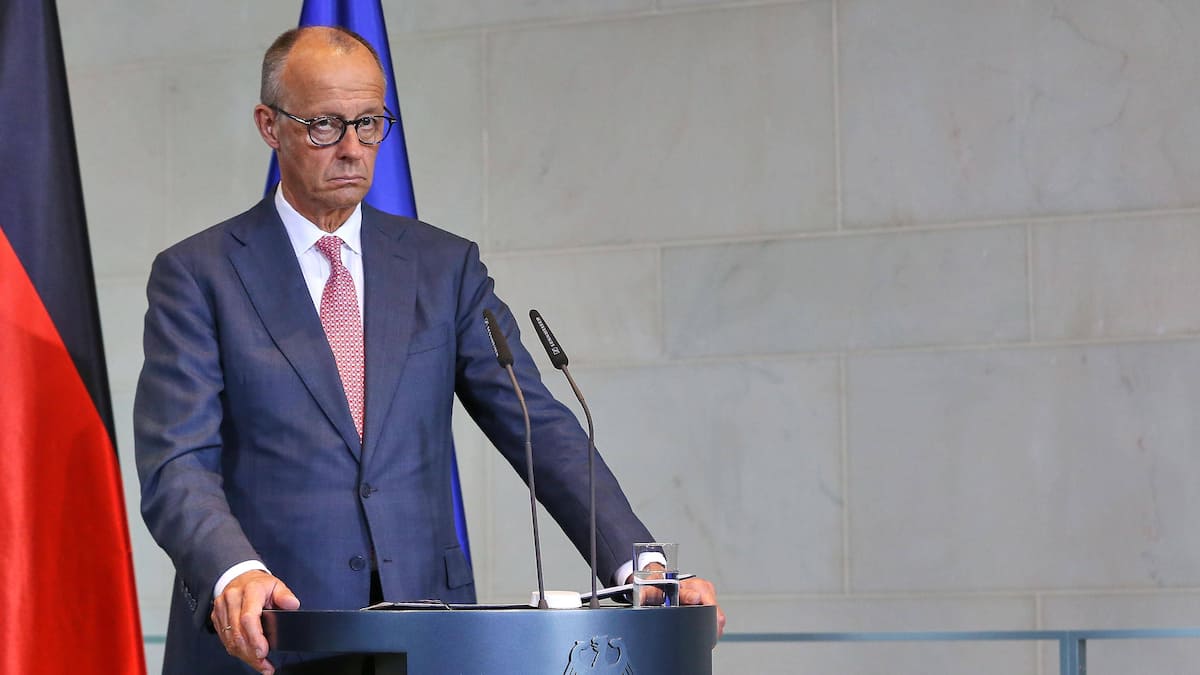
Cet article a été produit avec l'assistance de l'IA et édité par un journaliste de Finance Review Daily.
ADVERTISEMENT


DC
Par
David Chen
Commodities Desk
David reports on energy, metals and agricultural markets, tracking how supply signals and safe-haven demand move prices across the commodities complex.
Plus de David Chen →


