





Opinion
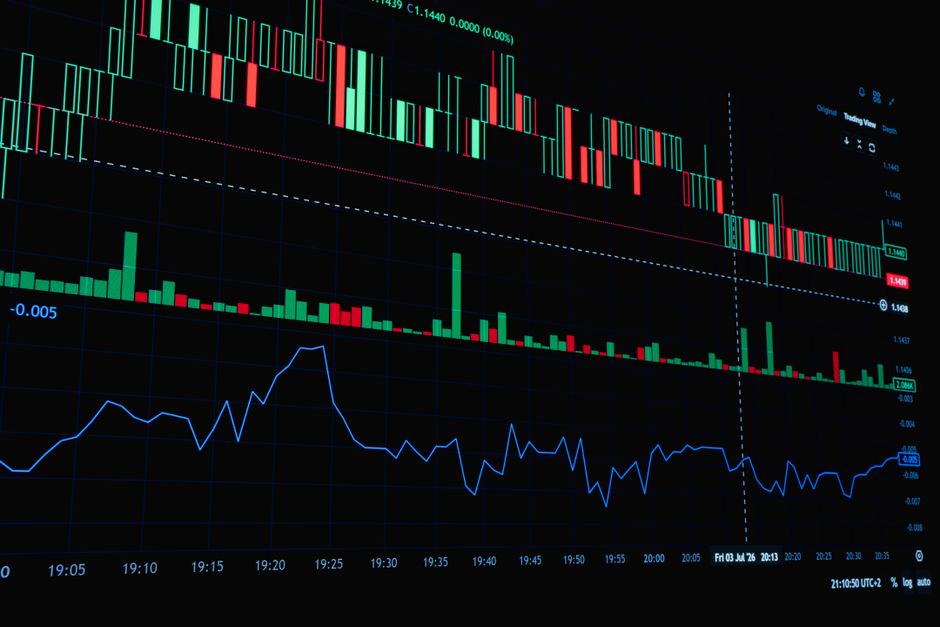
Why the Dollar’s Stagnation Signals a Turning Point for USD/JPY
The dollar’s pause amid rising food‑energy inflation and a shrinking yield gap with Japan could reshape risk sentiment ahead of the US jobs report.

Bitcoin’s $80K Rally Is Forcing a Race for Institutional Infrastructure
The price surge is less a fiscal hedge than a pressure test for regulated products, clearing houses, and custodial standards that institutions demand.

Comment l'avertissement de la Banque du Canada sur l'inflation pourrait annoncer une hausse à long terme
La prudence de la Banque du Canada concernant l'inflation n'est peut-être pas simplement un titre dans les journaux - elle laisse présager une politique monétaire restrictive de manière future, alors que les fluctuations des taux aux États-Unis et les tendances des matières premières préparent le terrain à une forte hausse du dollar canadien.
Why Broker Liquidity Crunch Is the New Hidden Cost for CFD Traders
When market stress squeezes broker liquidity, CFD spreads widen and margin calls become more frequent, eroding retail returns even before financing fees bite.

Pourquoi le niveau record du dollar canadien de la semaine dernière signale plus qu'un simple rebond temporaire
La modeste hausse du loonie face à l'avertissement de la Banque du Canada sur l'inflation reflète une plus grande divergence de politiques et un contexte des matières premières qui pourraient redessiner sa trajectoire à moyen terme.
La hausse des taux transforme le financement via les CFD en une taxe cachée pour les traders de détail
Les hausses des taux de la banque centrale augmentent les coûts de financement par CFD de jour en jour, érodent les rendements des investisseurs particuliers et amènent à repenser les positions à long terme.

Lancement des dérivés canadiens par Coinbase : un tournant pour l'accès institutionnel à la crypto
Le lancement des options négociées sur le marché réglementé et des contrats perpétuels de Coinbase au Canada pourrait remodeler la façon dont les institutions s'engagent avec la cryptographie, mais cette initiative met également en évidence des lacunes persistantes dans la surveillance en Amérique du Nord.
Le nouveau point de blocage de l’IA pourrait faire pencher l’équilibre entre l’euro et le dollar en faveur du dollar
L'avertissement de Citi selon lequel la mobilité des données, et non le calcul en simple puissance de calcul, limite désormais la croissance de l'IA pourrait donner lieu à une nouvelle vague de dépenses d'investissement aux États-Unis, renforçant le dollar et pesant sur l'euro.
Contracts à différence à commission zéro : l'illusion d'une négociation gratuite et ce qu'elle coûte réellement aux détaillants
Les courtiers vantent des offres de CFD à commission nulle, mais les économies sont souvent contrebalancées par des écarts plus importants, un financement supérieur et des frais cachés. Je explique pourquoi l'étiquette « gratuit » peut être trompeuse.



Pourquoi la poussée du Bitcoin de 80 000 $ est un hedge financier, et non un rallye lié aux fondamentaux
La récente hausse jusqu'à 80 000 dollars reflète les investisseurs qui se protègent contre les risques financiers aux États-Unis, mais sans une solidité sur la chaîne, la hausse pourrait être éphémère.

Le ton prudent de la RBNZ indique un test à plus long terme pour le dollar néo-zélandais
Une hausse de 25 points de base à 2,75 % ne pourrait pas empêcher la dévaluation du dollar néo-zélandais de 1 %, le scénario plus prudent de la RBNZ risque de repenser la trajectoire de la monede néo-zélandaise, dans un contexte d’appreciation du dollar et de hausse du prix du pétrole.

OPEC+ perd sa puissance : pourquoi le déclin du cartel redéfinit le marché du pétrole
Le recul de la Chine et le conflit en Iran érodent la part de marché de l'OPEP+, ouvrant la voie à un régime pétrolier plus volatile, à dominante marchande, dont les conséquences s'étireront à d'autres produits de base.

Hedging par le courtier : le conflit silencieux qui déforme les prix des CFD de détail
Je soutiens que la façon dont les courtiers assurent la couverture de leurs livres de CFD crée un conflit d'intérêts caché, distorsionnant les prix pour les traders individuels et nécessitant une plus grande transparence.

Les institutions doivent naviguer entre les régulateurs et les turbulences du Moyen-Orient pour maintenir viable leur exposition au bitcoin
Le bitcoin évolue autour de 80 000 dollars alors que les autorités de régulation des États-Unis accélèrent leur surveillance et que les tensions au Moyen-Orient s'intensifient, contraignant les investisseurs à équilibrer le potentiel de couverture avec le risque croissant lié aux politiques.
Jackson Hole Looms, les rendements montent : pourquoi le calme du dollar peut être tout sauf ça
La percée stable du dollar avant le discours de Jackson Hole du président de la Fed, Warsh, cache une divergence croissante avec l’Asie, alors que la hausse des taux en Corée provoque la valorisation du won et modifie l’environnement de prévalence du risque.
Pricing par CFD alimenté par l'IA : commodité ou nouvelle opacité ?
Les courtiers utilisent des moteurs d'apprentissage automatique pour définir les spreads des CFD en temps réel, mais la rapidité et l'opacité de ces modèles soulèvent de nouvelles questions de transparence et d'équité pour les traders individuels.

Cronos Halt est un signal d’alarme pour l’exposition aux DeFi institutionnelles
L'attaque de 75 millions de dollars qui a obligé le réseau Cronos à se mettre hors ligne met en évidence un risque opérationnel que les institutions ne peuvent pas ignorer, alors qu'elles recherchent de plus hauts rendements sur les chaînes alternatives.
La réticence du pétrole entraîne un reset du Forex : les devises liées aux matières premières sont sous pression
Une baisse de 2 % du prix du Brent et du WTI après les négociations entre l'Iran et l'Oman entraîne une baisse du sentiment de risque, laissant les dollars canadien, norvégien et russe exposés, tandis que le dollar américain gagne un léger essor.



Pourquoi l'élan du prix de l'or est un signal d'alerte pour tout le complexe des marchandises
La hausse des taux d’intérêt aux États-Unis et la pression budgétaire poussent les investisseurs vers l’or, mais la hausse peut annoncer une pression plus générale à la sortie des risques dans le secteur de l’énergie et des métaux.

Pourquoi la déficience d'exécution sur les CFD est la menace silencieuse à l'origine des victoires des particuliers
Les traders de détail célèbrent les spreads faibles, mais les écarts cachés et les délais d'exécution peuvent éroder les profits plus rapidement que tout frais de financement.

Pourquoi le mur d'offre de Bitcoin proche de 80 000 $ pourrait être le prochain test de stress institutionnel
Alors que Bitcoin tend vers un groupe d'offre historique, la vague de remontée des prix dépendra moins des actualités macro-économiques et davantage de la façon dont les institutions naviguent dans une zone de liquidité mince sur la chaîne.
Augmentation et downgradation de la valeur de l'AI : pourquoi l'euro est confronté à un carrefour
Les développements européens dans le domaine de l'IA – de la plateforme de flotte d'Einride aux downgrades de SAP par les analystes – créent une narratification opposée pour l'euro, conciliant les espérances en matière de productivité avec le sentiment de risque à court terme.

Pourquoi le récent repli du prix du pétrole n’est pas une tendance, mais une illusion
La baisse de 2 % du prix du Brent et de l’WTI semble être due à un relâchement des risques liés à l’Iran, mais la géopolitique sous-jacente et la prime de risque en matière d’approvisionnement restent tenaces.
Pourquoi la répression aux États-Unis contre les CFD de détail pourrait redessiner le paysage mondial des dérivés
L’attention renouvelée de la SEC sur l’interdiction des CFD pour les traders américains n’est pas seulement une question locale – elle oblige les courtiers du monde entier à repenser la conception des produits, les contrôles des risques et la transparence.

Thailand’s Draft Spot Crypto ETFs Signal a New Frontier for Institutional Adoption
The SEC’s proposal to launch Bitcoin and Ether ETFs on the Stock Exchange of Thailand could reshape Asian crypto markets, but investors must weigh regulatory clarity against execution risk.

Australia’s Investment Slump Signals a Softening AUD – Why the Greenback May Gain Ground
A 3.6% drop in Q2 business investment and a 53% plunge in IT equipment spending raise questions about the AUD’s near‑term outlook and could tilt risk‑on sentiment toward the dollar.
Why CFD Financing Fees Are the Silent Killer of Retail Returns
Retail CFD traders often overlook the cumulative impact of overnight financing charges, which can silently eat away profits even when spreads look attractive.



Why Chasing Bitcoin’s 2029 $300K Target Is a Dangerous Distraction for Institutions
Bernstein’s lofty forecasts sound enticing, but betting on a $300,000 Bitcoin price in 2029 could skew risk management and obscure real on‑chain fundamentals.
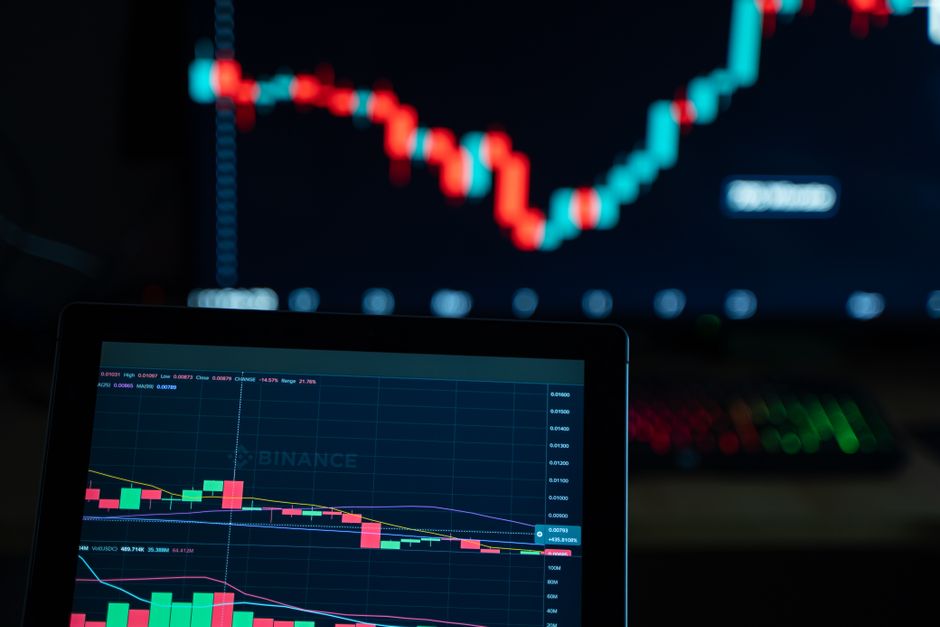
Why the Dollar’s Upcoming PCE Test Could Unsettle the Yield Curve—and What It Means for Euro‑Dollar
As core PCE looms, a retreat in long‑dated yields signals a fragile dollar rally; I argue the data will reshape expectations for Fed policy and the EUR/USD trajectory.

Synthetic CFD Indices: The Hidden Risk Behind the Hype
Retail traders are being lured by broker‑created synthetic indices, but the lack of a real underlying market raises transparency and regulatory concerns that deserve a hard look.

Why the Bitcoin Rally’s Real Test Is Coming From the Futures Market, Not the Fed
As Bitcoin hovers near $80,000, the next decisive move will likely be driven by institutional futures positioning rather than headline macro news.
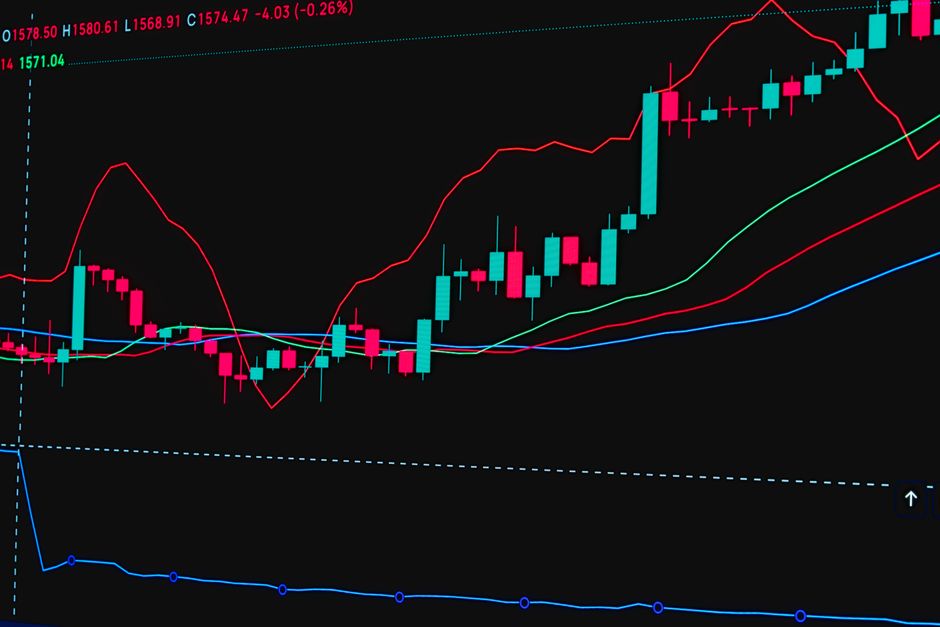
Why the Euro’s Three‑Month High May Be a Mirage Amid Dollar Weakness
The euro’s climb to 1.1682 looks impressive, but I argue it rests on a temporary US dollar wobble rather than a durable shift in monetary fundamentals.
AI Crackdown in Alabama Sends Ripple Through Forex Risk Appetite
The reported Alabama investigation into OpenAI and the resulting reported pause in model development are injecting fresh regulatory risk into markets, nudging safe-haven currencies and reshaping carry-trade dynamics.

Secondary sanctions on Iran will reshape oil flows more than we think
Washington’s new secondary sanctions on Iran could reroute global oil trade, tighten financing and raise the geopolitical risk premium on crude.
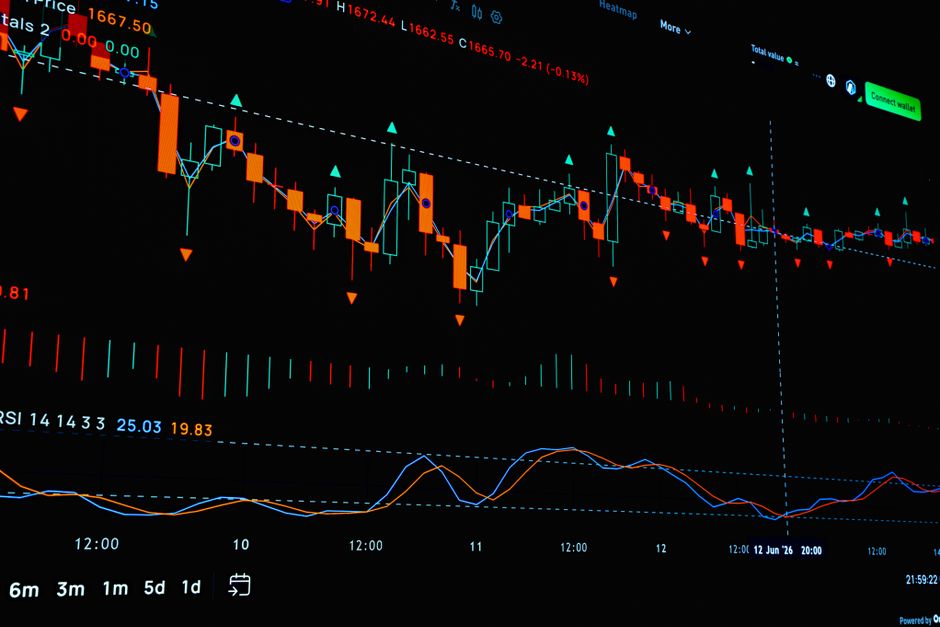
Speed vs Safety: Why Sub‑Millisecond CFD Quotes Threaten Retail Protection
Drovix’s ultra‑fast pricing may look like a win for traders, but the race to sub‑millisecond quotes introduces hidden liquidity and regulatory gaps that put retail investors at greater risk.
Why Solana’s Push for Bigger Daily Burns Could Redefine Its Tokenomics
Solana’s upcoming governance vote to raise daily token burns to $800,000 is more than a headline—it’s a test of how the network balances inflation, scarcity and investor confidence.



Why the EUR/NZD Correction May Signal a Wider Euro Weakness Cycle
The technical dip in EUR/NZD is more than a chart pattern – it reflects the ECB’s easing path, the RBNZ’s tightening and a shifting risk appetite.
Norway’s Arctic Drill‑Down: Why Europe’s Energy Security May Cost More Than It Saves
Oslo’s decision to push ahead with Barents Sea drilling pits sovereign oil ambitions against the EU’s climate push, reshaping Europe’s supply outlook and the politics of Arctic exploitation.

Drovix’s In‑House Stack: A Data Dependency Dilemma for Retail CFD Markets
Drovix’s new multi‑asset pricing engine promises sub‑millisecond quotes, but its heavy reliance on fifteen tier‑1 feeds creates a hidden fragility that could ripple through retail CFD pricing.

Why PostFinance’s Flexible ETH Staking Could Accelerate Institutional Adoption
Swiss bank PostFinance drops lock‑up periods for Ethereum staking, letting investors unstake twice a week—a move that could reshape how institutions view on‑chain yield.
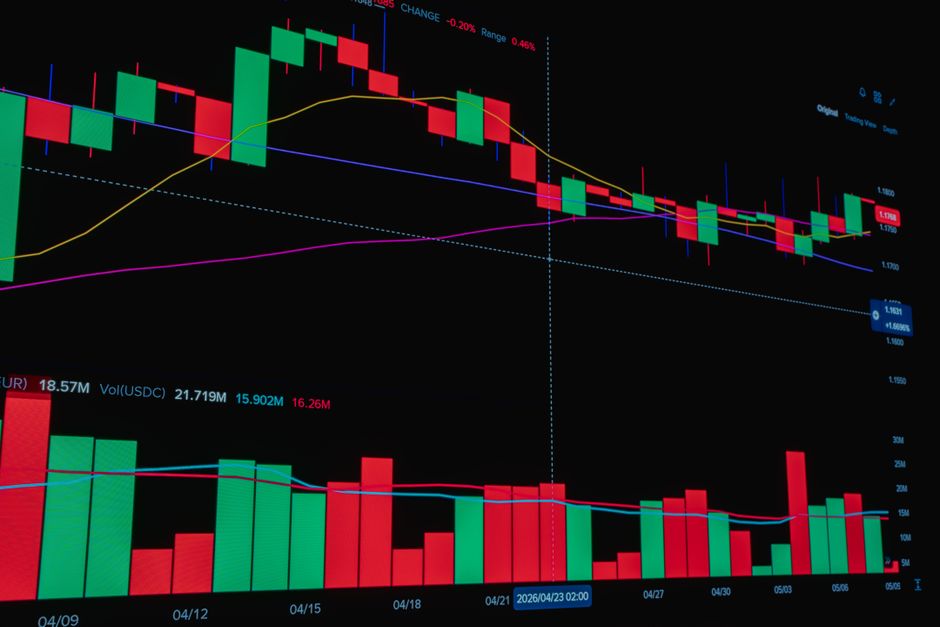
Why the Dollar’s Three‑Month Lull Is a False Calm for Asian FX
The greenback’s near‑mid‑May lows have left Asian currencies perched on a knife‑edge, with policy divergences and trade frictions shaping the next move.

Sub‑Millisecond CFD Quotes: A Double‑Edged Sword for Market Integrity
Drovix’s ultra‑fast pricing promises tighter spreads, but the race to the nanosecond raises hidden micro‑structure risks and regulatory headaches for retail CFD traders.

Why XRP’s 11% Plunge Is a Reality Check for Institutional Crypto Bets
The sharp drop in Ripple’s token underscores how regulatory uncertainty and thin market depth can quickly erode the optimism that followed its recent rally.
Japan’s Trade Gap Shrink Signals a Subtle Shift for the Yen
A 23% export surge helped narrow Japan’s July trade deficit, but the impact on the yen and BOJ policy is more nuanced than a simple rally.

Sub‑Millisecond Execution: The New Arms Race in CFD Trading
Drovix’s in‑house pricing engine promises sub‑millisecond quotes across 1,000 instruments. I argue that the speed war reshapes retail CFD dynamics, but it also raises hidden costs and regulatory questions.


Why the $800 Million ETF Inflow Marks a New Inflection Point for Institutional Crypto
Spot Bitcoin and Ether ETFs attracted $800 M in two days, signaling a shift in institutional capital but also exposing new concentration risks and regulatory challenges.
Hormuz Tensions Reset the FX Carry‑Trade Landscape
Escalating US‑Iran friction and a near‑halt in Strait of Hormuz oil flows are reshaping risk sentiment, reviving safe‑haven funding currencies and forcing a rethink of high‑yield carry trades.

U.S. Rare‑Earth Funding in Africa: A Token Gesture or Real Supply‑Chain Shift?
The Development Finance Corporation’s $62.8 million pledge to African rare‑earth projects sounds like a strategic win, but private‑sector hesitation suggests the road to a diversified market is still steep.
Rising Funding Rates Turn CFD Longs Into Costly Bets
As central banks keep pushing rates higher, the financing charges on leveraged CFD longs are eroding returns and forcing traders to rethink risk management.
Why Tokenized Stocks Could Be the Missing Piece in America’s Crypto Playbook
Robinhood’s CEO urges U.S. regulators to clear the path for tokenized equities, a move that could accelerate institutional crypto adoption and reshape market structure.

Why the Swiss Franc Is Poised to Re‑Emerge as the Go‑To Funding Currency
After a rare yen intervention, traders are eyeing the franc’s zero‑rate environment as the next cheap carry, a shift that could reshape EUR/CHF and USD/CHF dynamics.
Brent’s $92 Surge Makes Renewable Diesel a Real Contender
As crude climbs past $92 a barrel, XCF Global’s Reno plant begins shipping renewable diesel, forcing the diesel market to re‑price on a new competitive footing.

24/7 Equity CFDs Turn News Cycles Into Retail Minefields
Retail traders now face a nonstop barrage of macro news that can swing CFD prices while the underlying market sleeps, raising hidden volatility and risk‑management challenges.
Why Visa’s Search for a New Stablecoin Partner Is a Litmus Test for Crypto’s Payment Future
Visa’s hunt for a replacement after selling BVNK highlights the growing pains of integrating stablecoins into mainstream payments, and it could reshape how institutions view crypto‑based settlement.


Britain’s Drone Row Could Turn the GBP into a Risk Barometer
Escalating UK‑Russia tensions over alleged drone use are reshaping risk sentiment, and the pound may start behaving more like a safe‑haven proxy than a pure policy‑driven currency.
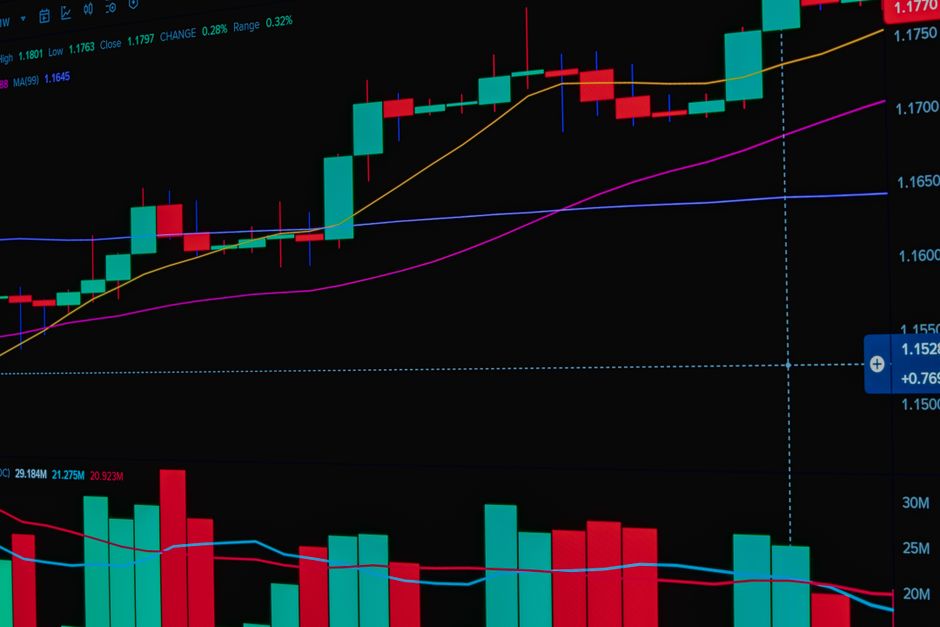
The hidden operational toll of 24/7 Stock CFDs
STARTRADER’s 45 new round‑the‑clock equity CFDs sound like a retail breakthrough, but the back‑office, data and tech challenges may outweigh the convenience for many traders.

Why Bitmine’s Growing Ethereum Stash Signals a New Institutional Playbook
Bitmine’s recent purchase pushes its ETH holdings to 4.8% of supply, a clear sign that institutional treasuries are treating Ethereum as a core asset, not a side bet.

Why Canada’s Inflation Surprise Is a Double‑Edged Sword for the Loonie
The latest CPI beat forces the Bank of Canada onto a tighter path, but higher rates could also dampen growth and reignite USD‑CAD volatility.
Why 24/7 Stock CFDs Are a Double‑Edged Sword for Retail Traders
STARTRADER’s rollout of 45 new round‑the‑clock equity and ETF CFDs promises constant market access, but it also exposes traders to thin liquidity and pricing quirks that could undermine risk management.
Why Asia’s Midnight Surge in Bitcoin Matters More Than the $64k Milestone
A $64,000 Bitcoin price spike in Asian trading isn’t just a headline—it reveals shifting liquidity, regulatory nuance, and a new institutional entry point.

Why the US‑Canada Tariff Standoff Could Rattle the CAD More Than You Think
The looming May 1 deadline on reciprocal tariffs is reshaping risk sentiment on the Canadian dollar, and the fallout may extend beyond the border into broader FX dynamics.
The CFTC’s Emergency Order Signals a Tipping Point for Event‑Based CFDs
When the regulator stepped in to keep Kalshi alive amid a New York lawsuit, it revealed how fragile the event‑contract ecosystem is and why CFD providers must rethink product design.
Why the Crypto Advice Gap Threatens Institutional Adoption
Financial advisors are scrambling for guidance as client demand for digital assets surges, exposing a regulatory blind spot that could stall the next wave of institutional money.
The Supertanker’s Return: What Saudi’s Shipping Revival Means for Oil‑Linked Currencies
A supertanker docking at Ras Tanura after weeks of absence signals easing of Red Sea bottlenecks. I argue that the move will temper the recent rally in oil‑linked currencies and re‑anchor risk sentiment.

China’s Copper Shortage Signals a Global Supply Shock – Why It Matters for Metal Markets
China’s refined copper output is set to decline for a second month as smelters grapple with raw material shortages, a development that could tighten global supplies and lift prices.
Why the Kalshi‑FlightAware Fight Matters for the Future of Event‑Based CFDs
The clash between Kalshi and FlightAware highlights a regulatory blind spot for event‑driven contracts, forcing the CFD community to confront the gambling versus finance debate head‑on.
Why Miner Sell‑offs Are the Real Stress Test for Institutional Crypto
Public miners have dumped $1.78 bn of Bitcoin, exposing how thin margins and macro pressure could reshape institutional appetite for the asset.
Oil Supply Cuts Revive Commodity‑Currency Rally – Why the CAD and NOK May Outrun the Dollar
The IEA’s 2026 oil supply downgrade amid Middle‑East tensions is reshaping risk sentiment, giving a fresh boost to oil‑linked currencies while keeping the dollar’s safe‑haven appeal in check.

MiCA’s Dawn: Why Europe’s Crypto Blueprint Will Redefine Institutional Playbooks
The EU’s Markets in Crypto‑Assets regulation is finally live, and its compliance demands are forcing institutions to rethink custody, token issuance and risk management in ways that could set a global standard.
Ukraine’s Currency Liberalisation: A Quiet Game‑Changer for the FX Market
The National Bank of Ukraine’s sweeping reforms could unlock liquidity, reshape the hryvnia’s trajectory and subtly shift risk sentiment across emerging‑market FX pairs.

CFD Volume Surge Is Skewing Index Price Discovery – A Warning for All Market Participants
Retail CFD trading has reportedly jumped 40% this summer, but underlying index markets haven’t kept pace, creating a dangerous disconnect that reportedly threatens true price discovery.
Why the Euro’s Next Move Hinges on US Inflation, Not ECB Whispers
The euro-dollar pair is approaching the 1.1680 ceiling, but the real driver will be Thursday’s US CPI — a softer print may reportedly give the euro a lift, while a hotter one may reportedly keep it pinned down.
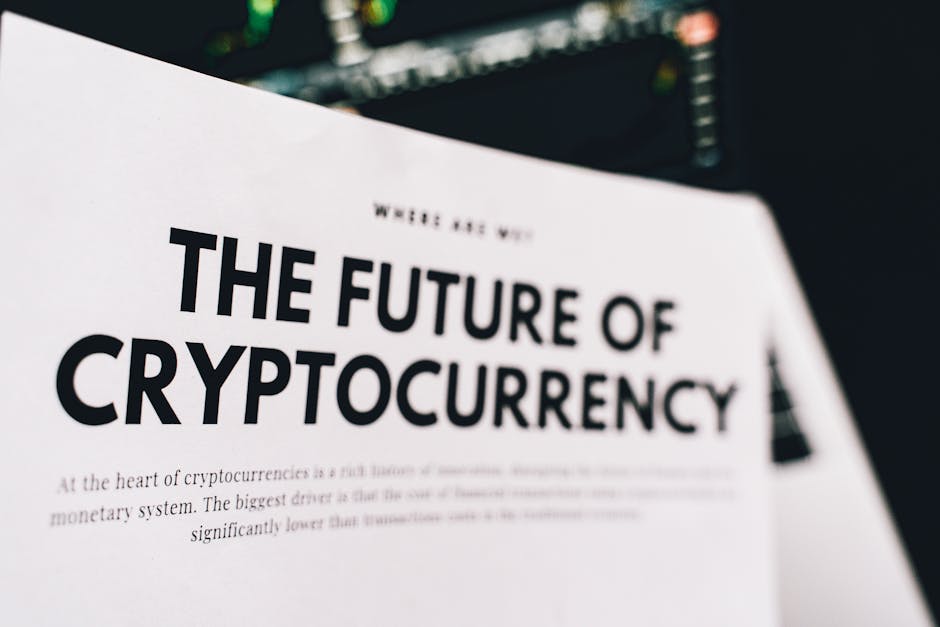
Why the SEC’s Spot Bitcoin ETF Decision Will Redraw Crypto’s Institutional Landscape
The SEC’s pending verdict on spot Bitcoin ETFs is more than a product launch—it’s a litmus test for how regulators, custodians and institutions will coexist in a maturing crypto market.

CME’s Cleared Bitcoin Options Could Redraw Institutional Risk Playbooks
The new CME Bitcoin options market brings clearing‑house rigor to crypto, but it also raises questions about liquidity, pricing and the regulatory tightrope institutions must walk.
Why US Attempts to Save the Yen Are Doomed to Slip
The Treasury’s recent yen‑support moves clash with a widening US‑Japan rate gap and a resilient dollar, making any short‑term fix fragile.

Hormuz Tensions Are Fast‑Tracking the US Shale Resurgence
With the Strait of Hormuz again a flashpoint, investors are betting on domestic oil supply, reshaping the global oil narrative beyond OPEC dominance.
Regulators Must Act Before the CFD Summer Surge Turns Toxic
The 40% jump in retail CFD volume is a warning sign that regulators can no longer ignore. I argue that tighter leverage caps and clearer disclosure rules are overdue.

Why Hormuz Tensions Are Driving Up Shipping Insurance and Squeezing Refiners
As Iran and Oman edge toward a Hormuz reopening, the real price shock is coming from soaring marine insurance premiums that are adding a hidden cost to crude and tightening refinery margins.
Crypto’s Institutional Pivot: Why Platforms, Governance, and Niche Licenses Matter
Emerging service platforms like TropixPro, Bitcoin’s governance turmoil, and Bhutan’s new crypto license illustrate how the market is moving from hype to a quest for sustainable legitimacy.
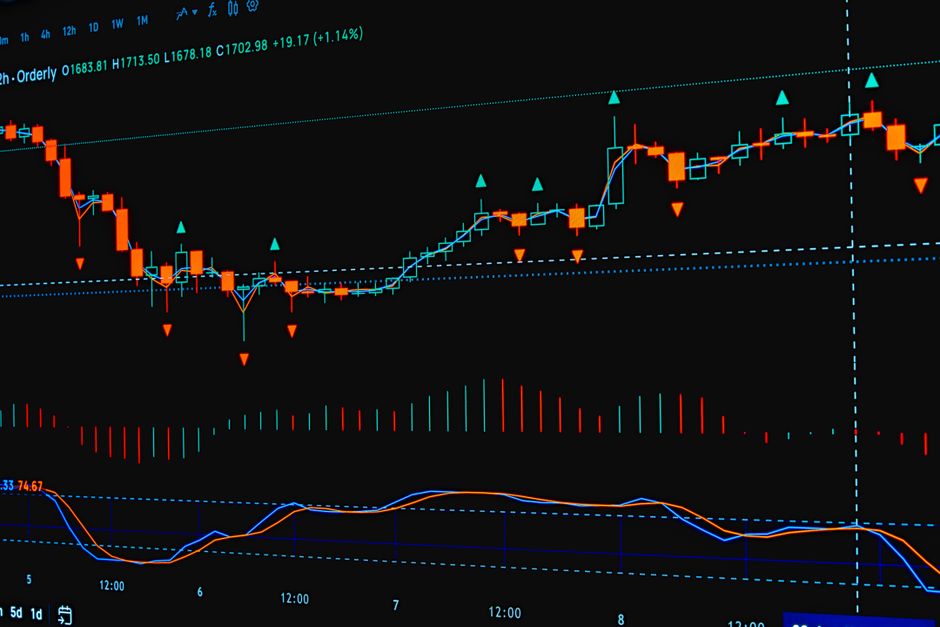
Retail CFD frenzy fuels 40% volume surge amid summer volatility
Brokers report a 40% jump in retail CFD trading on major indices as summer volatility spikes, while new entrant TropixPro accelerates the market’s accessibility.
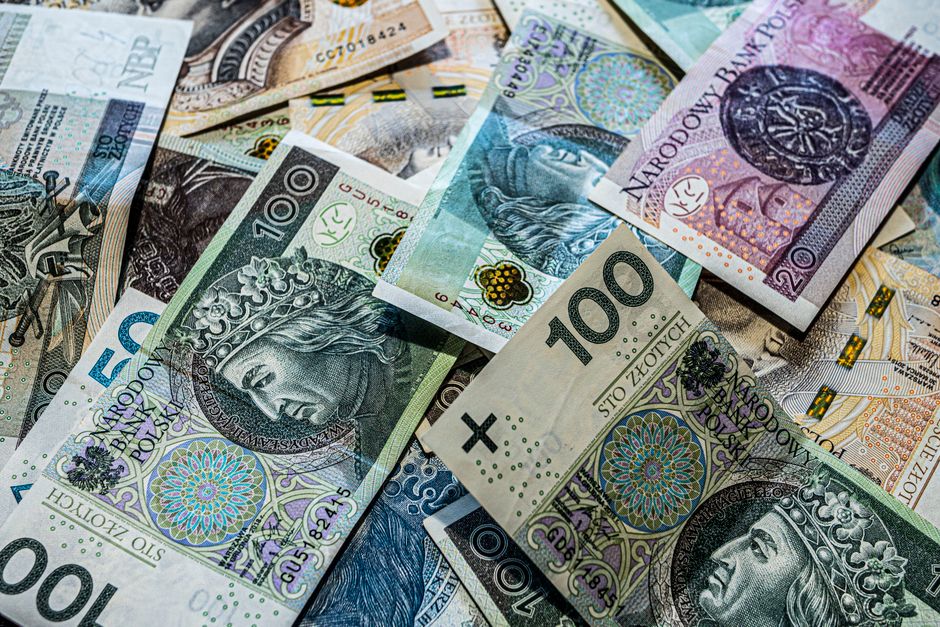
German factories revive, but ECB’s policy dilemma persists
A second month of stronger industrial output in Germany eases manufacturing worries, yet the European Central Bank still faces a tightrope between inflation control and growth support.

Why the Euro’s Slip and the Pound’s Pause Signal a Turning Point in FX
The euro’s slide after the ECB hinted at a September cut and a steadier dollar ahead of US payrolls leave the pound in limbo, reshaping the Euro‑Dollar‑Pound triangle.

Hormuz, Gold and Avocados: Why Geopolitics Still Drives Commodities
Iran’s near‑term Hormuz opening, a bullish call on gold and a tentative avocado restart all point to a market where geopolitical risk and supply bottlenecks still dominate price moves.
Why Bitcoin’s Governance Crisis and Bhutan’s Crypto License Reveal the Market’s New Fault Lines
The clash between waning miner support for BIP‑110 and exchanges courting regulated niches like Bhutan shows crypto is shifting from hype to a battle for legitimacy and sustainable structure.
