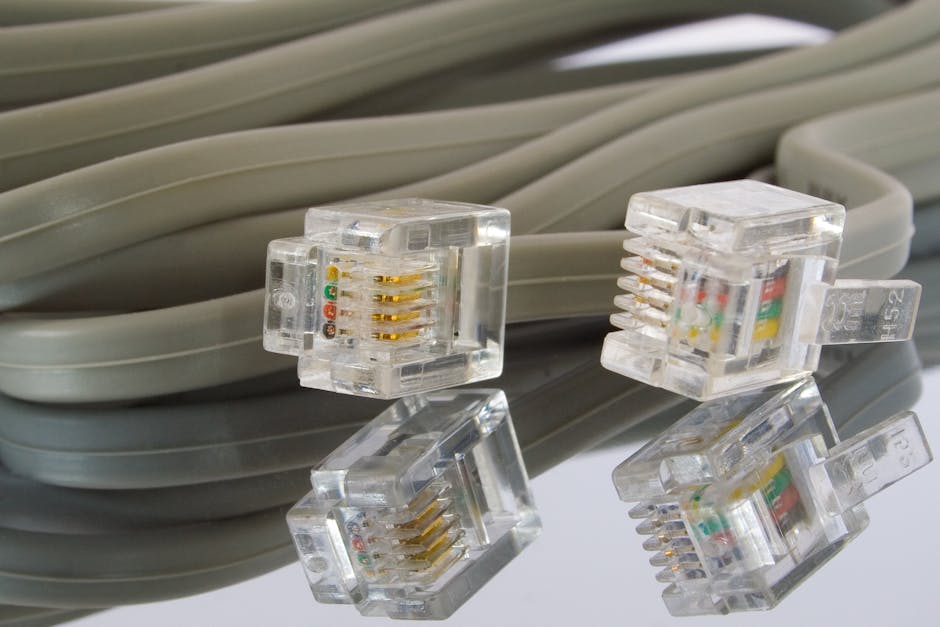
Spend time around forex traders and you'll quickly hear currency pairs referred to by nicknames rather than their formal codes — a tradition rooted deeply in trading floor culture rather than any official naming convention set by a regulator or exchange. GBP/USD is universally known as "Cable," a nickname dating back to the mid-1800s, when exchange rate information between London and New York was transmitted via a transatlantic telegraph cable — one of the earliest examples of real-time financial data transmission across continents.
Other nicknames reflect national symbols or slang more directly. AUD/USD is commonly called the "Aussie," while NZD/USD goes by the "Kiwi," referencing New Zealand's national bird and a term New Zealanders use to describe themselves. USD/CAD is often called the "Loonie," named after the loon depicted on the Canadian one-dollar coin. EUR/USD, despite being the most heavily traded pair globally, carries the comparatively plain nickname "Fiber," a term whose exact origin is debated but is generally linked to the fiber-optic cable networks underpinning modern electronic trading infrastructure.
These nicknames persist not just as trading-floor tradition but as genuinely faster shorthand in fast-moving verbal and written communication between traders, where saying "Cable's up 40 pips" carries the same information as the formal currency code with fewer syllables and less room for misunderstanding under time pressure. For newcomers to forex forums and trading chat rooms, learning this informal vocabulary is often as necessary as understanding the technical mechanics of the market itself, since the terminology appears constantly in trading discussions.
Some nicknames have faded or evolved alongside the market itself. Older traders sometimes recall terms tied to currencies that no longer exist, like the Deutsche mark or French franc, retired after the euro's introduction in 1999 — a reminder that this informal vocabulary, much like the market it describes, continues to shift as the underlying currencies and trading technology change over time.