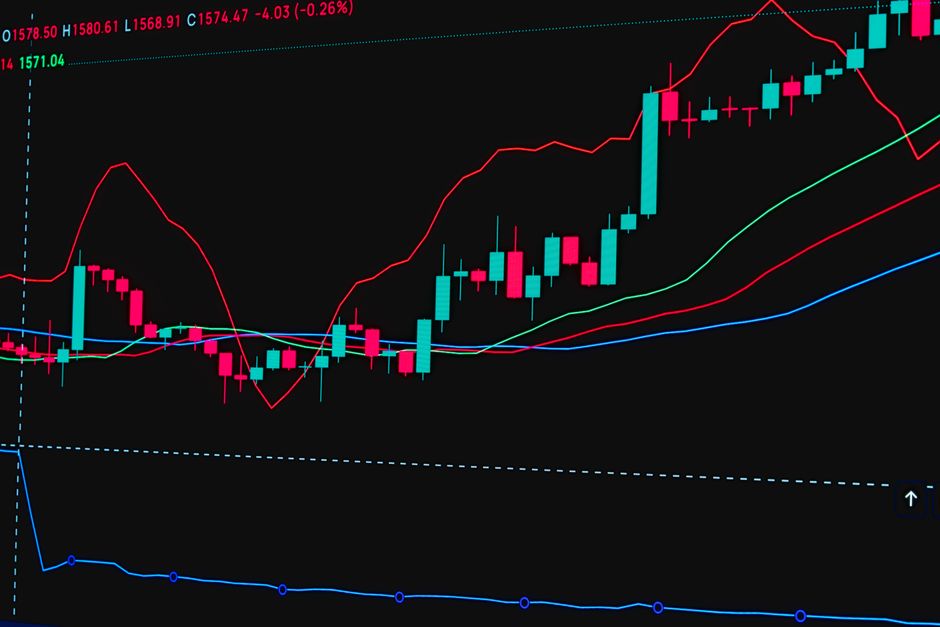
I’ve been watching the euro inch up to 1.1682 for the past few weeks, and the headline‑grabbing three‑month high feels almost too tidy. The dollar index’s slide to 98.7 has certainly helped, but the story beneath the price action is far more nuanced than a simple risk‑off rally.
The most immediate catalyst is the U.S. Treasury’s aggressive debt‑buyback programme. By pulling securities off the market, the Treasury is draining short‑term dollar liquidity, a move that nudges the greenback lower without any change in policy stance. Coupled with a modest widening of the euro‑dollar yield spread, the euro has found a convenient lift.
Yet the lift is built on sand. The European Central Bank remains on an easing trajectory, with rates still well below the Federal Reserve’s level. The ECB’s forward guidance still hints at additional cuts if inflation continues to lag, which caps the euro’s upside in a rate‑differential framework.
On the U.S. side, the Fed is not poised for cuts any time soon. Inflation, while moderating, remains above target, and the central bank’s balance sheet is still expanding through quantitative tightening. The dollar’s weakness is therefore more a product of fiscal dynamics—higher deficits and the Treasury’s buybacks—than a shift in monetary policy.
Political risk in Europe adds another layer of uncertainty. Upcoming elections in key economies, lingering debates over the EU’s fiscal rules, and the spectre of a renewed energy price shock could all reignite inflation pressures, forcing the ECB to pause or even reverse its easing.
If the dollar finds its footing again—perhaps through a resurgence in Treasury issuance or a rally in risk assets—the euro could quickly surrender its gains. The only way for the euro to defend its current level would be for the ECB to tighten sooner than expected, a scenario that remains unlikely given the current data.
In my view, the euro’s near‑three‑month high is a short‑term technical bounce rather than a new regime. Market participants should keep a close eye on the evolving rate spread, U.S. fiscal developments, and the ECB’s policy language before betting on a sustained euro rally.