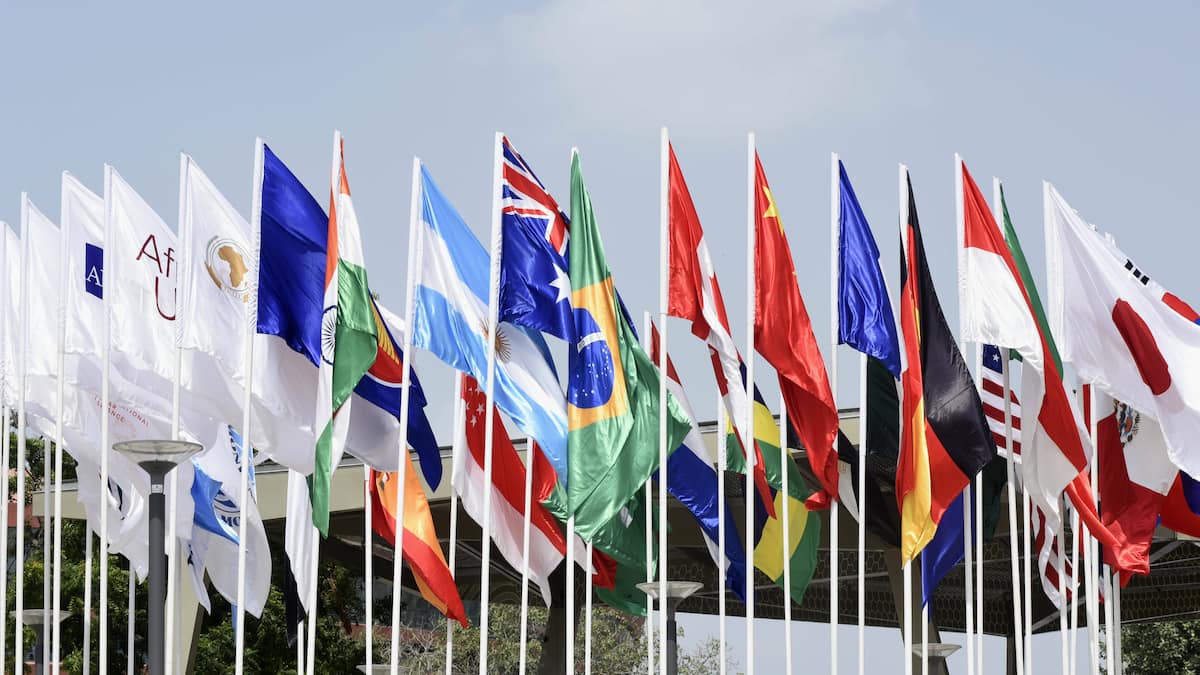
U.S. Treasury Secretary Scott Bessent will press G20 counterparts in Asheville, North Carolina, to reassess trade relations with China and escalate economic pressure on Iran, framing both as threats to global stability.
Bessent argued that China’s $1.2 trillion annual trade surplus is unsustainable and urged Beijing to shift its economy from export dependence toward stronger domestic consumption. He emphasized that the current surge in Chinese exports is untenable for trading partners, including the United States, which has already imposed special tariffs and other barriers on Chinese goods. The U.S. trade deficit with China narrowed by one-third to $73.9 billion in the first half of 2026, compared with the same period last year, as Washington’s measures took effect.
The Treasury chief warned that other industrialized nations face similar pressures from diverted Chinese exports and must now make clear decisions. ‘The rest of the world will have to review its trade terms with China,’ Bessent said. He added that G20 members should incentivize Beijing to boost chronically weak domestic demand.
China, a G20 member, has been a source of contention within the group in recent years. Bessent’s push comes amid legal setbacks for U.S. tariff policy, including a Supreme Court ruling invalidating broad tariffs, prompting the Trump administration to impose a 12.5% tariff in July under an investigation into forced labor. Ahead of a planned late-September summit between President Donald Trump and Chinese President Xi Jinping, discussions are underway to reduce tariffs on non-strategic goods, potentially lifting duties on $30 billion worth of imports from each side.
Separately, Bessent outlined plans to intensify economic pressure on Iran, with the Treasury Department set to introduce new secondary sanctions on a weekly basis, targeting banks in the first phase. The message to G20 partners is explicit: ‘You are either with us or with the Iranians.’ While most of China’s oil purchases from Iran have already been constrained by U.S. port blockades, Washington has been enforcing sanctions since late February, contributing to broader global inflationary pressures. Iran is not a G20 member.