





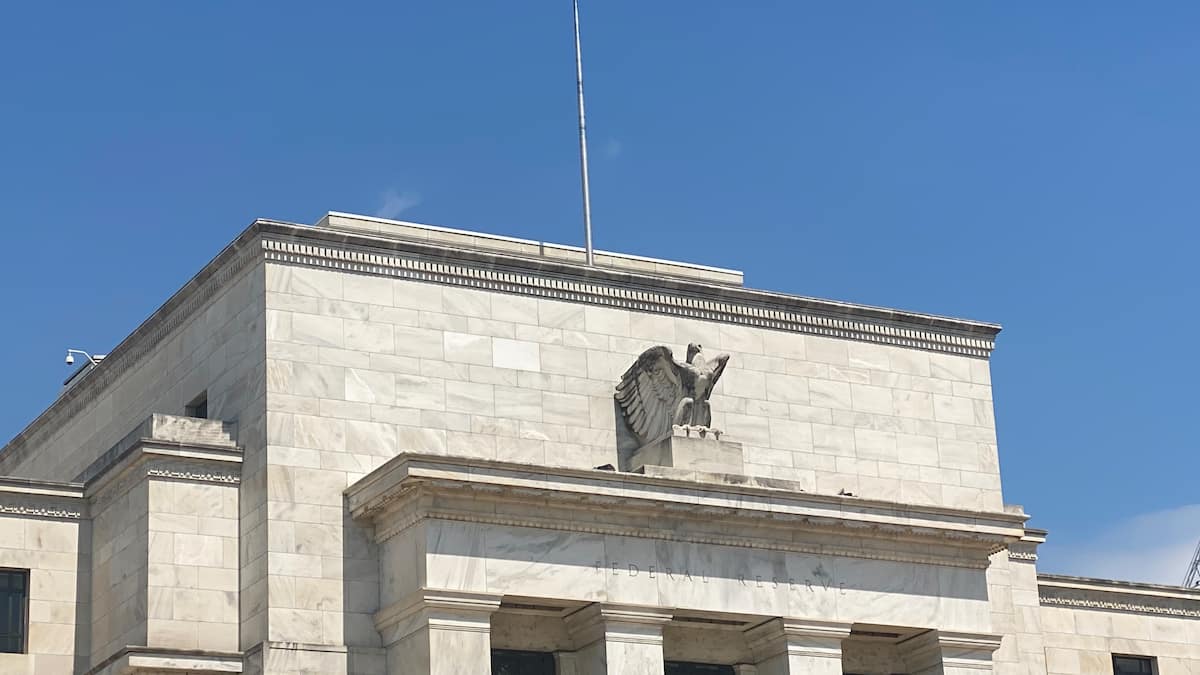
Minutes from the Federal Reserve’s July 28-29 policy meeting released on Wednesday indicate a shift in tone among officials toward a potential rate hike if inflation fails to converge toward the central bank’s 2% target.
Three of the 12 voting members dissented in favor of a 25-basis-point increase, citing broad-based price pressures that risked necessitating more aggressive tightening later. The Federal Open Market Committee left the benchmark federal funds rate unchanged in a range of 3.50% to 3.75%, but the minutes suggest a more restrictive stance could be warranted if inflation remains elevated.
President Donald Trump, speaking to reporters at the White House, reiterated his long-standing preference for lower interest rates, arguing that cuts would be appropriate given the country’s economic performance. The president did not specify which economic gains justified the reduction. Analysts note that elevated inflation—currently a barrier to rate cuts—has been partly fueled by disruptions in global energy markets following the conflict involving Israel and Iran, which has constrained oil and gas shipments through the Strait of Hormuz.
Market pricing has shifted over the year, with investors now expecting a rate hike at the Fed’s October meeting, reversing earlier bets on easing. The debate reflects the Fed’s challenge of balancing inflation control with economic growth amid high U.S. debt levels, where lower rates could reduce borrowing costs for the federal government.
The Fed’s leadership has also changed since Trump’s prior criticisms of former Chair Jerome Powell, with Kevin Warsh—nominated by Trump—now at the helm of the central bank’s board.





