





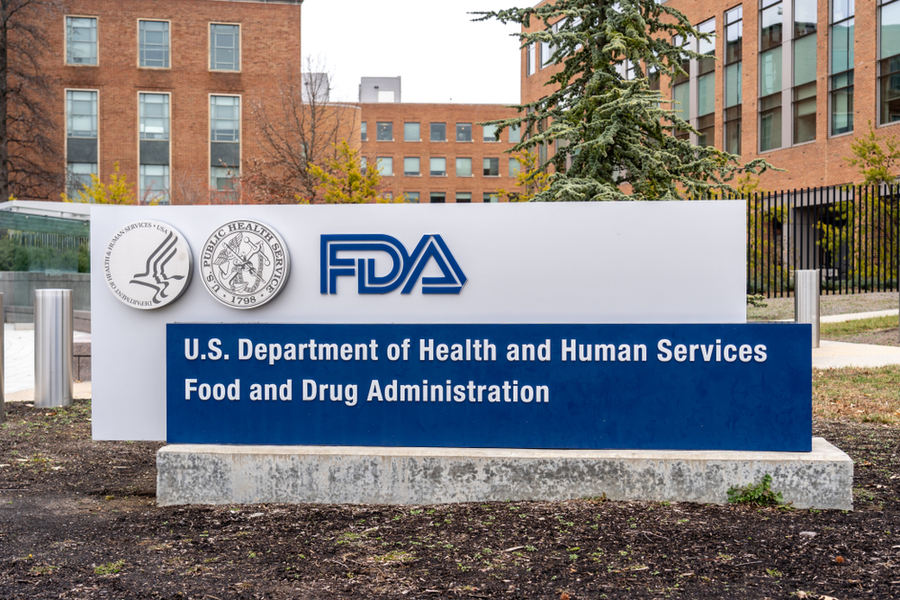
Lantheus Holdings (NASDAQ:LNTH) received final approval from the U.S. Food and Drug Administration for its radiopharmaceutical BRAVNETSA (lutetium Lu‑177 dotatate). The indication covers adult patients with somatostatin receptor‑positive gastroenteropancreatic neuroendocrine tumors (GEP‑NETs), including foregut, midgut and hindgut disease.
The FDA concluded that BRAVNETSA is both bioequivalent and therapeutically equivalent to the existing product LUTATHERA, also a lutetium Lu‑177 dotatate therapy. Approval was granted through the agency's Abbreviated New Drug Application pathway, marking the first radioligand therapy cleared via this route.
GEP‑NETs are rare cancers of the digestive system and pancreas, affecting an estimated 200,000 patients in the United States. Up to half of cases are initially misdiagnosed, with an average diagnostic delay of 4.3 years from symptom onset.
The agency's labeling includes warnings for radiation exposure, myelosuppression, secondary myelodysplastic syndrome and leukemia, renal and hepatic toxicity, hypersensitivity reactions, fetal harm, and potential infertility in both sexes. Clinical trial data reported myelosuppression rates of 81% for anemia, 53% for thrombocytopenia, and 26% for neutropenia.
Lantheus, headquartered in Bedford, Massachusetts, has operated in radiopharmaceuticals for more than seven decades. The approval expands its portfolio in the growing market for targeted radioligand therapies.





