ASP Isotopes Inc. outlined its commercialization strategy for critical materials during a presentation at the Emerging Growth Conference on August 20, 2026, as the company seeks to capitalize on supply constraints in helium and medical isotopes.
The company, trading under the ticker ASPI on the NASDAQ, reported a stock price of $3.91 at the time of the event, down roughly 73% from its 52-week high of $14.49. ASP Isotopes posted $30.85 million in revenue over the last twelve months as of Q2 2026, a 573% increase, though EBITDA remained negative at $91.5 million. The company’s market capitalization stands at $627 million, with an EPS of negative $1.40 and a current ratio of 3.87.
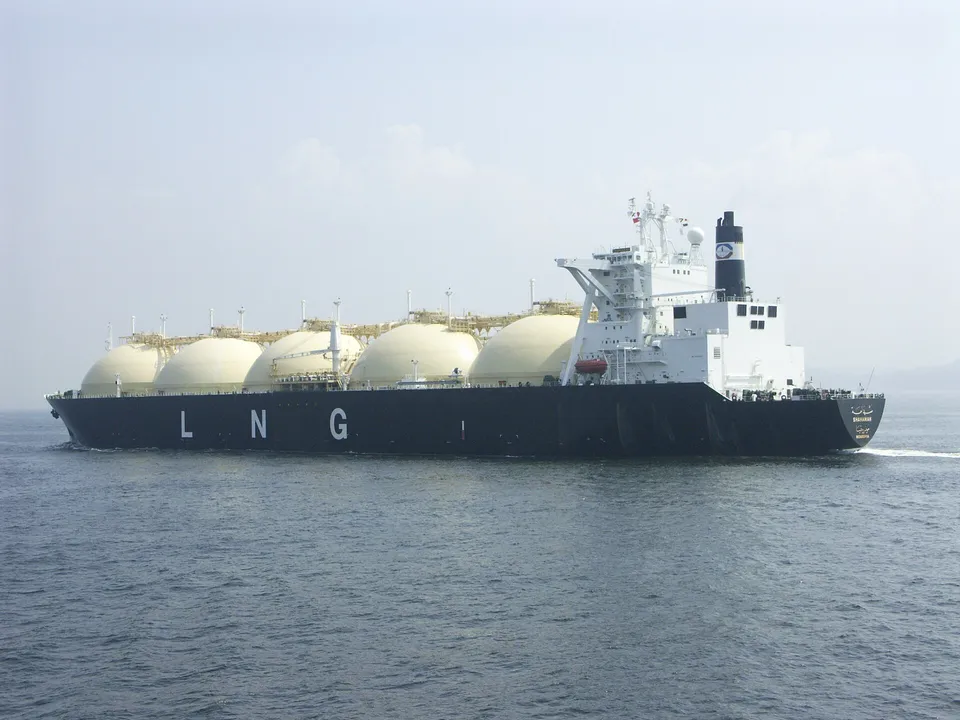
Management highlighted its South African helium and liquefied natural gas (LNG) asset, operated through Renergen, where Phase 1 production began the week of the presentation. First commercial shipments are expected in September 2024, with cash flow improvements anticipated by year-end. The Phase 1 plant has a design capacity of approximately 70 MCF of helium and 2,500 gigajoules of LNG per day, with nameplate capacity targeted by the end of Q4 2024. Phase 2, projected to be 13 times larger, is slated to begin construction in the second half of 2024, with full production expected in 2031. Capital commitments for Phase 2 total about $750 million, split between the U.S. International Development Finance Corporation and Standard Bank.
ASP Isotopes also detailed progress on its silicon-28 enrichment plant, currently operating at nameplate capacity with 48 stages. Expansion to 96-100 stages is underway, with first shipments expected in the second half of 2024. At full 100-stage capacity, the facility can produce up to 80 kilograms of 99.995% enriched silicon-28 annually. Carbon-14 production is set to begin in the second half of 2024 following a multi-year take-or-pay agreement with a Canadian customer. Ytterbium-176 production is expected to start later in 2024, with an annual output of about 1 kilogram at full utilization.
The company’s PET Labs subsidiary reported revenue growth exceeding 50% in the first half of 2024, with management forecasting a doubling of revenue in 2026 compared to 2025. Alpha Theranostics, another subsidiary, is preparing to enter human trials for its first clinical candidate within months. ASP Isotopes also confirmed its planned spinoff of Quantum Leap Energy remains on track for completion by the end of 2024, with an S-1 filing submitted in November.
CEO Paul Mann emphasized the urgency of addressing supply disruptions, noting that nearly 50% of global helium supply is currently unavailable due to damage to Qatar’s gas processing facilities, Russian export controls, and other disruptions. The global helium market is valued at approximately $3 billion annually. Mann added that shortages of ytterbium-176 have impacted radiotherapeutics, including Novartis’s Pluvicto, which is projected to grow from $3 billion-$4 billion to $6 billion-$8 billion by the end of the decade. Delays in phase III trials by Bristol Myers Squibb and Eli Lilly were attributed to isotope supply constraints.