The U.S. dollar weakened to a three-month low on Wednesday as Treasury yields eased following an expansion of long-dated bond buyback operations, while Federal Reserve minutes underscored persistent inflation concerns.
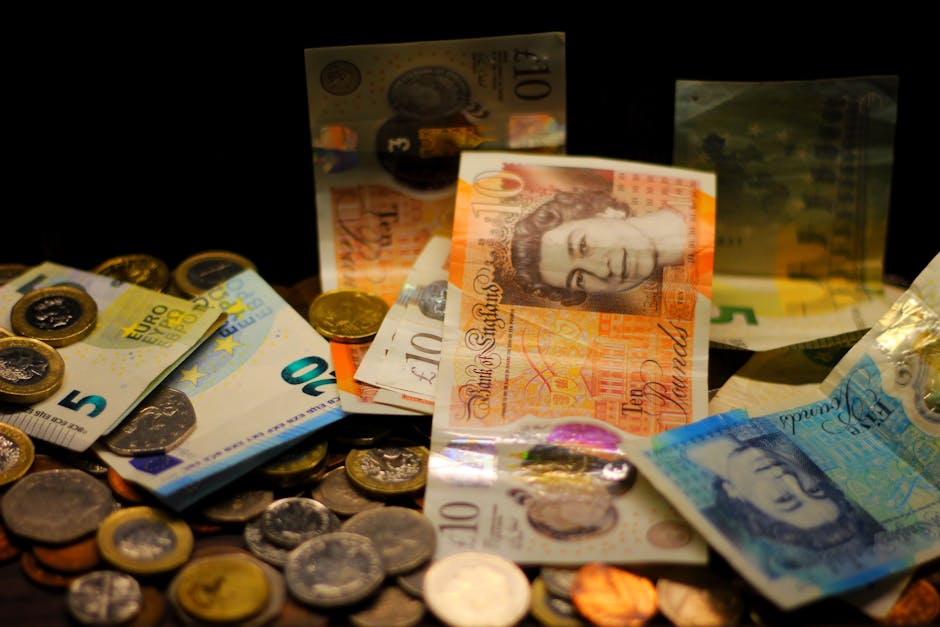
The U.S. Dollar Index fell 0.9% to 98.80 by 15:41 ET, marking its lowest level since May 14. The Japanese yen slipped 0.9% to 158.21 per dollar, while the euro advanced 0.8% to $1.1674, its highest since May 14. The British pound rose 0.6% to $1.3606, reaching levels last seen on May 11.
The South Korean won led gains in regional currencies, strengthening nearly 2% against the dollar and pushing the USD/KRW pair down 1.7% to 1,389.02, its lowest since August 2025. The Indian rupee, however, lagged with a modest 0.1% decline to 95.568.
The Treasury Department said it would at least double its liquidity support buyback operations for longer-dated nominal coupon securities, effective September 9. The size of operations in the 10-year to 20-year and 20-year to 30-year sectors will increase from $2 billion to $4 billion per session. The 30-year Treasury yield fell 7.2 basis points to 5.213%, after briefly surpassing 5.30% earlier in the week.
Federal Reserve meeting minutes from July indicated that most policymakers favored holding interest rates steady but noted that inflation risks remained skewed to the upside. Several participants highlighted that a renewed escalation in the Middle East could prolong supply chain disruptions and add upward pressure on prices. Three regional Fed presidents dissented during the July meeting.
Lawrence Gillum, chief fixed income strategist at LPL Financial, said the recent rise in long-end yields reflected a normalization process rather than a market dysfunction. He attributed the move to heavy fiscal issuance, AI-related corporate debt competing for capital, and lingering energy price inflation risks.
The Treasury’s decision to expand buyback operations aims to enhance liquidity in longer-dated segments where strong demand has been observed, according to the department’s statement.