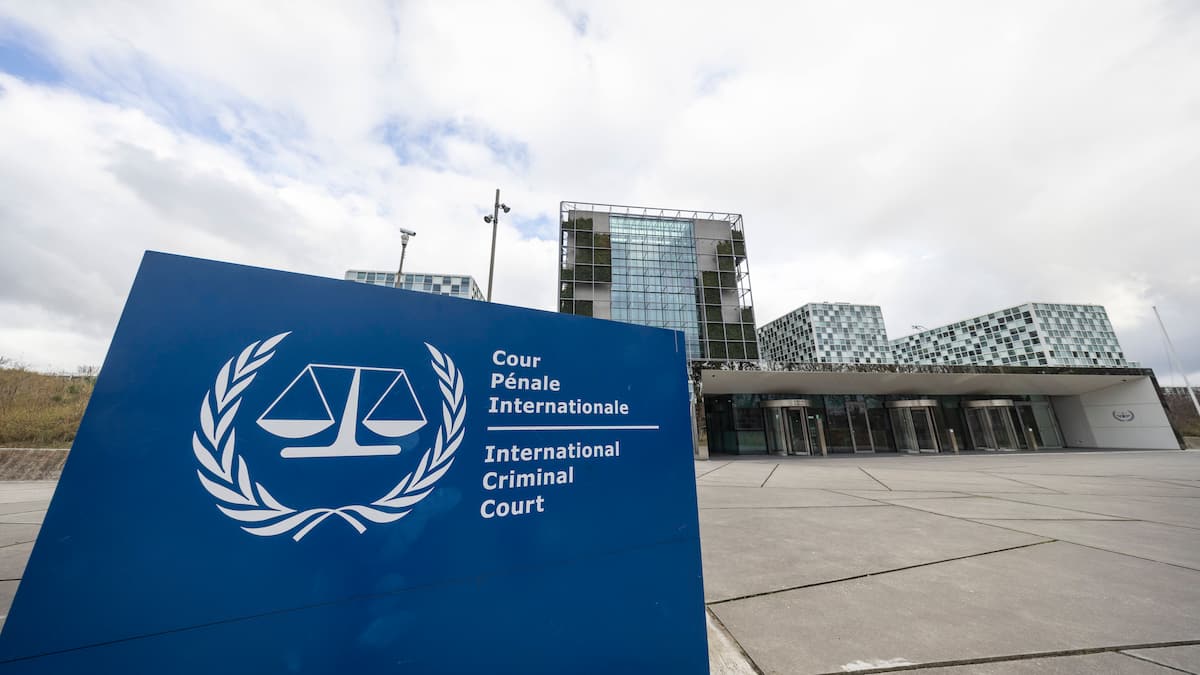
The United States on Tuesday imposed sanctions on International Criminal Court (ICC) President Tomoko Akane and a senior ICC lawyer, Abdoulaye Seye, citing their roles in efforts to prosecute officials from states that do not recognize the court’s jurisdiction.
U.S. Secretary of State Marco Rubio said the measures, authorized under a 2025 executive order signed by President Donald Trump, freeze any U.S.-based assets of the two individuals and restrict their access to the U.S. financial system. The U.S. Treasury set a September 17 deadline for winding down transactions with Akane.
The ICC responded by reaffirming its commitment to its staff, stating that sanctions targeting judicial personnel undermine the rule of law. The court emphasized that its mandate includes investigating alleged crimes committed by nationals of non-member states on the territory of member countries.
Rubio’s announcement follows a broader U.S. campaign to weaken the ICC, including calls for countries to withdraw from the Rome Statute. The dispute intensified after the ICC issued arrest warrants in 2023 for Israeli Prime Minister Benjamin Netanyahu and former Defense Minister Yoav Gallant, as well as earlier probes into U.S. military operations in Afghanistan.
The U.S., along with China, Russia, Israel, and Turkey, is not a party to the 2002-founded ICC, while all EU member states are. The court currently has 124 state parties and retains jurisdiction over crimes committed on the territory of member states, regardless of the nationality of the perpetrators.
Rubio has previously argued that the ICC poses a threat to U.S. personnel involved in enforcing immigration policies or counter-narcotics operations, framing the court as an obstacle to sovereign authority.