




Meinung
Why the Dollar’s Stagnation Signals a Turning Point for USD/JPY
The dollar’s pause amid rising food‑energy inflation and a shrinking yield gap with Japan could reshape risk sentiment ahead of the US jobs report.

Bitcoin’s $80K Rally Is Forcing a Race for Institutional Infrastructure
The price surge is less a fiscal hedge than a pressure test for regulated products, clearing houses, and custodial standards that institutions demand.

Warum die Inflationswarnung der BoC einen längeren Looney-Boom signalisieren könnte
Die jüngste Inflationswarnung der Bank of Canada ist mehr als nur eine Schlagzeile – sie deutet eine strenge Geldpolitik an, während die Entwicklung der US-Zinssätze und der Rohstoffpreise die Bühne für eine gemessene Erholung des Kanadischen Dollars bereiten.
Warum der Broker-Liquiditätskramp der neue verborgen Kostenfaktor für CFD-Trader ist
Wenn die Marktvolatilität die Liquidität der Broker verringert, breiten sich die Spreads bei CFDs aus und die Margenkäufen werden häufiger, was die Renditen der Privatkunden bereits vor den Finanzgebühren und -kosten untergräbt.

Warum das einwöchige Hoch des Kanadischen Dollars mehr als einen vorübergehenden Aufschwung signalisiert
Der geringe Anstieg des Loonis als Reaktion auf die Inflationswarnton der BoC spiegelt eine grössere politische Differenz und den Hintergrund bei den Rohstoffen wider, die die mittelfristige Entwicklung des Loonis beeinflussen könnten.
Steigende Zinsen machen die Finanzierung von CFDs zu einer verborgenen Steuer für Privatkunden
Steigende Zinssätze der Zentralbanken erhöhen die Kosten für die Übernachtfinanzierung von CFDs, untergraben die Renditen für Privatanleger und veranlassen sie, ihre langfristigen Positionen neu zu bewerten.

Coinbases Start für kanadische Derivate: Ein Wendepunkt für den institutionellen Zugang zu Krypto
Die Einführung regulierter Futures und Perpetuals von Coinbase in Kanada könnte die Art und Weise verändern, wie Institutionen mit Krypto umgehen, aber der Schritt zeigt auch anbleibende Lücken in der Aufsicht in Nordamerika.
Das neue Engpass der KI könnte die Euro-Dollarnachfrage zugunsten des Dollars verschieben
Citis Warnung, dass der Datenverkehr und nicht der reine Rechenprozess die Wachstumsmöglichkeiten von KI heute begrenzt, könnte eine neue Investitionswelle in den USA auslösen, wodurch der Dollar gestärkt wird und das Euro unter Druck gerät.
Zero-Kommission-CFD: Die Illusion kostenloser Handelsmöglichkeiten und was sie den Händlern wirklich kosten
Broker verfügen über CFD-Angebote mit „Nullprozent-Gebühr“, doch die Ersparnisse werden häufig durch breitere Spreads, höhere Finanzierungsgebühren und versteckte Kosten aufgekauft. Ich erläutere, warum die Bezeichnung „kostenlos“ irreführend sein kann.



Warum der Bitcoin-Rallye von 80.000 USD eine fiskalische Absicherung und keine Fundamentals Rallye ist
Der jüngste Anstieg auf 80.000 USD spiegelt die Absicherung von Investoren gegen US-finanzielle Risiken wider, aber ohne Stärke auf der Kette kann die Rally möglicherweise vorübergehend sein.

Der zurückhaltende Ton der RBNZ signalisiert einen längerfristigen Test für den Kiwi
Eine Erhöhung um 25 Basispunkte auf 2,75% konnte den Rückgang des NZD um 1% nicht aufhalten – der entspanntere Ausblick der RBNZ könnte den Kurs des kiwi in einem starken US-Dollar und zunehmendem Ölpreis neu formen.

OPEC+ verliert den Griff: Warum der Niedergang des Kartells den Ölmarkt neu definiert
Der Rückzug Chinas und der Konflikt im Iran schmälern den Marktanteil von OPEC+, was zu einem volatileren, marktorientierten Ölregime führt, das sich auf die übrigen Rohstoffmärkte auswirkt.

Brokerhedging: Der stille Konflikt, der die Preise für Einzelhandels-CFDs verzerrt
Ich argumentiere, dass die Art und Weise, wie Broker ihre eigenen CFD-Bücher abzusichern, zu einem verborgenem Interessenkonflikt führt, die Preise für Privatkunden verzerrt und eine verstärkte Transparenz erfordert.

Institutionelle müssen Regulierung und Turbulenzen im Nahen Osten meistern, um Bitcoin-Engagement tragfähig zu halten
Bitcoin notiert bei rund 80 000 Dollar, während die US-Regulierungsbehörden den Druck erhöhen und im Nahen Osten die Spannungen steigen – Anleger müssen das Absicherungspotenzial gegen wachsende politische Risiken abwägen.
Jackson Hole-Lücken, steigende Gewinne: Warum die Gelassenheit des Dollars alles andere als stabil sein könnte
Der stetige Vormarsch des Dollars vor Warshs Rede in Jackson Hole verdeckt eine wachsende Differenzierung zu Asien, da die Zinsschraube Koreas den Won stärkt und die Risikoneigung neu ausformt.
KI-gestützte CFD-Preisberechnung: Komfort oder neue Durchsichtigkeit?
Brokerhäuser implementieren Machine-Learning-Engines, um CFD-Spreads in Echtzeit zu berechnen, doch die Geschwindigkeit und die Intransparenz dieser Modelle stellen für Privatkunden neue Fragen bezüglich Transparenz und Gerechtigkeit.

Cronos Halt ist ein Weckruf für die institutionelle Exposition gegenüber DeFi
Die 75 Millionen US-Dollar kostenende Tektische Attacke, die das Cronos-Netzwerk offline gezwungen hat, unterstreicht das operative Risiko, das Institute nicht ignorieren können, auch wenn sie nach höheren Renditen bei alternativen Blockchains streben.
Der Rückzug des Ölmarkts auslöst einen Forex-Reset: Rohstoffwährungen unter Druck
Nach den Gesprächen zwischen Iran und Oman fiel der Brent- und WTI-Kurs um 2% und mehr – dies zieht das Risikoempfinden zurück, während der kanadische, der norwegische und der russische Dollar exponiert bleiben und der US-Dollar einen moderaten Aufschwung geniesst.



Warum der Goldboom ein Warnsignal für das gesamte Rohstoffkomplex ist
Steigende US-Wachszinsen und die finanzielle Belastung drängen Investoren ins Gold, aber die Rally könnte auf tiefergelegene Risiko-off-Pressionen in der Energie-und Metallbranche hinweisen.

Warum die Ausführungsverspätung bei CFD-Traden die stille Bedrohung hinter den Gewinnen im Einzelhandel darstellt
Retail-Händler jubeln über niedrige Spreads, aber versteckte Slippage und Ausführungslatenz können Profite schneller untergraben als beliebige Finanzierungsgebühren.

Warum Bitcoins Lieferwalle nahe $80K der nächste institutionelle Stresstest sein könnte
Da sich Bitcoin auf einen historischen Lieferknoten zu bewegen scheint, hängt die Preisrally weniger von makroökonomischen Nachrichten und mehr davon ab, wie Institutionen eine dünne Liquiditätszone auf der Kette bewältigen.
KI-Höhepunkte und Absenkungen: Warum das Euro vor einer Entscheidung steht
Die Entwicklung im europäischen KI-Bereich – von der Flottenplattform von Einride bis zu der Absenkung der SAP-Analysten – schafft eine gespaltene Erzählung für den Euro, bei der die Erwartungen von Produktivitätssteigerungen gegen kurzfristiges Risikoschätzungsverhalten abgewogen werden.

Warum der jüngste Rückgang des Ölpreises eine Täuschung und nicht ein Trend ist
Der Absolutwerts-Überhang von 2 Prozent im Brent-und WTI-Rohöl ist als Entlastung vom Iran-Risiko zu sehen, aber die zugrunde liegenden geopolitischen Faktoren und die Preisspanne für Lieferungsrisiken bleiben hartnäckig bestehen.
Warum der US-Kampf gegen CFDs beim Privatkunden möglicherweise das globale Derivatemarkt umgestalten könnte
Das erneuerte Augenmerk der SEC auf die Verbotserklrungen für CFDs für US-Han- delder ist keine lokale Frage – es zwingt Broker weltweit, ihre Produktgestaltung, Risikosteu- rungen und Transparenz zu überdenken.

Thailand’s Draft Spot Crypto ETFs Signal a New Frontier for Institutional Adoption
The SEC’s proposal to launch Bitcoin and Ether ETFs on the Stock Exchange of Thailand could reshape Asian crypto markets, but investors must weigh regulatory clarity against execution risk.

Australia’s Investment Slump Signals a Softening AUD – Why the Greenback May Gain Ground
A 3.6% drop in Q2 business investment and a 53% plunge in IT equipment spending raise questions about the AUD’s near‑term outlook and could tilt risk‑on sentiment toward the dollar.
Why CFD Financing Fees Are the Silent Killer of Retail Returns
Retail CFD traders often overlook the cumulative impact of overnight financing charges, which can silently eat away profits even when spreads look attractive.



Why Chasing Bitcoin’s 2029 $300K Target Is a Dangerous Distraction for Institutions
Bernstein’s lofty forecasts sound enticing, but betting on a $300,000 Bitcoin price in 2029 could skew risk management and obscure real on‑chain fundamentals.
Why the Dollar’s Upcoming PCE Test Could Unsettle the Yield Curve—and What It Means for Euro‑Dollar
As core PCE looms, a retreat in long‑dated yields signals a fragile dollar rally; I argue the data will reshape expectations for Fed policy and the EUR/USD trajectory.

Synthetic CFD Indices: The Hidden Risk Behind the Hype
Retail traders are being lured by broker‑created synthetic indices, but the lack of a real underlying market raises transparency and regulatory concerns that deserve a hard look.

Why the Bitcoin Rally’s Real Test Is Coming From the Futures Market, Not the Fed
As Bitcoin hovers near $80,000, the next decisive move will likely be driven by institutional futures positioning rather than headline macro news.
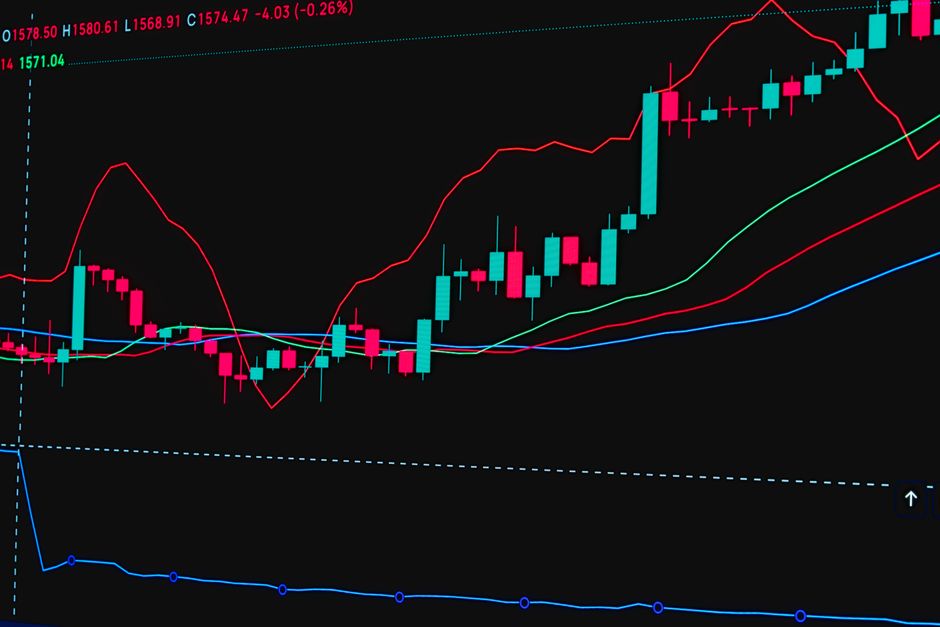
Why the Euro’s Three‑Month High May Be a Mirage Amid Dollar Weakness
The euro’s climb to 1.1682 looks impressive, but I argue it rests on a temporary US dollar wobble rather than a durable shift in monetary fundamentals.
AI Crackdown in Alabama Sends Ripple Through Forex Risk Appetite
The reported Alabama investigation into OpenAI and the resulting reported pause in model development are injecting fresh regulatory risk into markets, nudging safe-haven currencies and reshaping carry-trade dynamics.

Secondary sanctions on Iran will reshape oil flows more than we think
Washington’s new secondary sanctions on Iran could reroute global oil trade, tighten financing and raise the geopolitical risk premium on crude.
Speed vs Safety: Why Sub‑Millisecond CFD Quotes Threaten Retail Protection
Drovix’s ultra‑fast pricing may look like a win for traders, but the race to sub‑millisecond quotes introduces hidden liquidity and regulatory gaps that put retail investors at greater risk.
Why Solana’s Push for Bigger Daily Burns Could Redefine Its Tokenomics
Solana’s upcoming governance vote to raise daily token burns to $800,000 is more than a headline—it’s a test of how the network balances inflation, scarcity and investor confidence.



Why the EUR/NZD Correction May Signal a Wider Euro Weakness Cycle
The technical dip in EUR/NZD is more than a chart pattern – it reflects the ECB’s easing path, the RBNZ’s tightening and a shifting risk appetite.
Norway’s Arctic Drill‑Down: Why Europe’s Energy Security May Cost More Than It Saves
Oslo’s decision to push ahead with Barents Sea drilling pits sovereign oil ambitions against the EU’s climate push, reshaping Europe’s supply outlook and the politics of Arctic exploitation.

Drovix’s In‑House Stack: A Data Dependency Dilemma for Retail CFD Markets
Drovix’s new multi‑asset pricing engine promises sub‑millisecond quotes, but its heavy reliance on fifteen tier‑1 feeds creates a hidden fragility that could ripple through retail CFD pricing.

Why PostFinance’s Flexible ETH Staking Could Accelerate Institutional Adoption
Swiss bank PostFinance drops lock‑up periods for Ethereum staking, letting investors unstake twice a week—a move that could reshape how institutions view on‑chain yield.
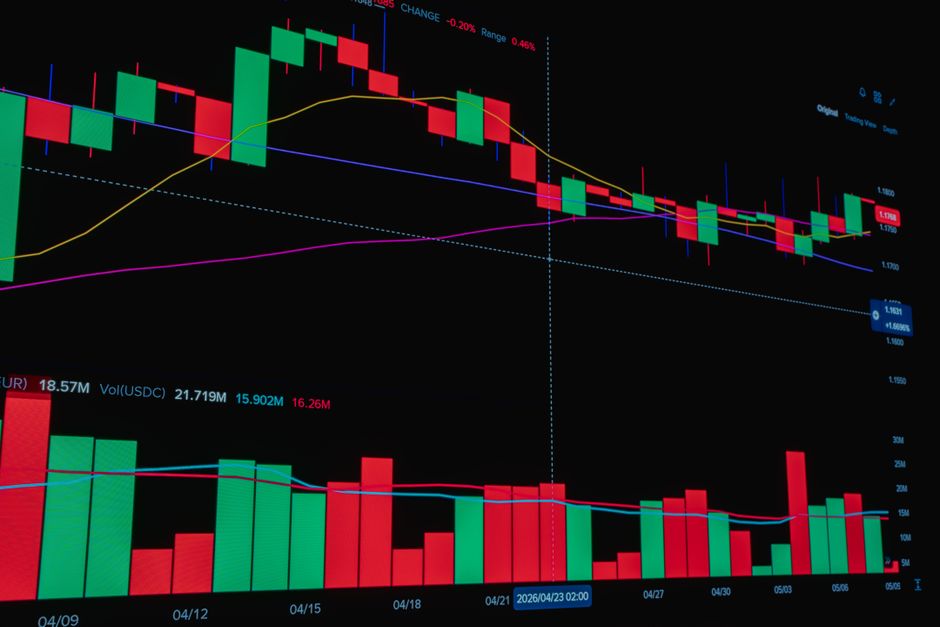
Why the Dollar’s Three‑Month Lull Is a False Calm for Asian FX
The greenback’s near‑mid‑May lows have left Asian currencies perched on a knife‑edge, with policy divergences and trade frictions shaping the next move.

Sub‑Millisecond CFD Quotes: A Double‑Edged Sword for Market Integrity
Drovix’s ultra‑fast pricing promises tighter spreads, but the race to the nanosecond raises hidden micro‑structure risks and regulatory headaches for retail CFD traders.

Why XRP’s 11% Plunge Is a Reality Check for Institutional Crypto Bets
The sharp drop in Ripple’s token underscores how regulatory uncertainty and thin market depth can quickly erode the optimism that followed its recent rally.
Japan’s Trade Gap Shrink Signals a Subtle Shift for the Yen
A 23% export surge helped narrow Japan’s July trade deficit, but the impact on the yen and BOJ policy is more nuanced than a simple rally.

Sub‑Millisecond Execution: The New Arms Race in CFD Trading
Drovix’s in‑house pricing engine promises sub‑millisecond quotes across 1,000 instruments. I argue that the speed war reshapes retail CFD dynamics, but it also raises hidden costs and regulatory questions.

Why the $800 Million ETF Inflow Marks a New Inflection Point for Institutional Crypto
Spot Bitcoin and Ether ETFs attracted $800 M in two days, signaling a shift in institutional capital but also exposing new concentration risks and regulatory challenges.
Hormuz Tensions Reset the FX Carry‑Trade Landscape
Escalating US‑Iran friction and a near‑halt in Strait of Hormuz oil flows are reshaping risk sentiment, reviving safe‑haven funding currencies and forcing a rethink of high‑yield carry trades.

U.S. Rare‑Earth Funding in Africa: A Token Gesture or Real Supply‑Chain Shift?
The Development Finance Corporation’s $62.8 million pledge to African rare‑earth projects sounds like a strategic win, but private‑sector hesitation suggests the road to a diversified market is still steep.
Rising Funding Rates Turn CFD Longs Into Costly Bets
As central banks keep pushing rates higher, the financing charges on leveraged CFD longs are eroding returns and forcing traders to rethink risk management.
Why Tokenized Stocks Could Be the Missing Piece in America’s Crypto Playbook
Robinhood’s CEO urges U.S. regulators to clear the path for tokenized equities, a move that could accelerate institutional crypto adoption and reshape market structure.

Why the Swiss Franc Is Poised to Re‑Emerge as the Go‑To Funding Currency
After a rare yen intervention, traders are eyeing the franc’s zero‑rate environment as the next cheap carry, a shift that could reshape EUR/CHF and USD/CHF dynamics.
Brent’s $92 Surge Makes Renewable Diesel a Real Contender
As crude climbs past $92 a barrel, XCF Global’s Reno plant begins shipping renewable diesel, forcing the diesel market to re‑price on a new competitive footing.

24/7 Equity CFDs Turn News Cycles Into Retail Minefields
Retail traders now face a nonstop barrage of macro news that can swing CFD prices while the underlying market sleeps, raising hidden volatility and risk‑management challenges.
Why Visa’s Search for a New Stablecoin Partner Is a Litmus Test for Crypto’s Payment Future
Visa’s hunt for a replacement after selling BVNK highlights the growing pains of integrating stablecoins into mainstream payments, and it could reshape how institutions view crypto‑based settlement.



Britain’s Drone Row Could Turn the GBP into a Risk Barometer
Escalating UK‑Russia tensions over alleged drone use are reshaping risk sentiment, and the pound may start behaving more like a safe‑haven proxy than a pure policy‑driven currency.
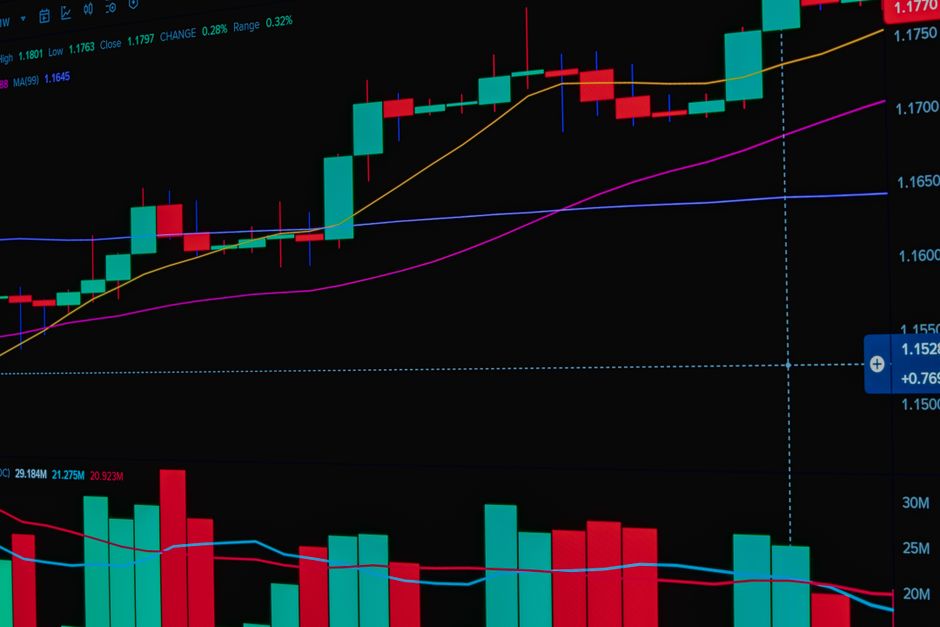
The hidden operational toll of 24/7 Stock CFDs
STARTRADER’s 45 new round‑the‑clock equity CFDs sound like a retail breakthrough, but the back‑office, data and tech challenges may outweigh the convenience for many traders.

Why Bitmine’s Growing Ethereum Stash Signals a New Institutional Playbook
Bitmine’s recent purchase pushes its ETH holdings to 4.8% of supply, a clear sign that institutional treasuries are treating Ethereum as a core asset, not a side bet.

Why Canada’s Inflation Surprise Is a Double‑Edged Sword for the Loonie
The latest CPI beat forces the Bank of Canada onto a tighter path, but higher rates could also dampen growth and reignite USD‑CAD volatility.
Why 24/7 Stock CFDs Are a Double‑Edged Sword for Retail Traders
STARTRADER’s rollout of 45 new round‑the‑clock equity and ETF CFDs promises constant market access, but it also exposes traders to thin liquidity and pricing quirks that could undermine risk management.
Why Asia’s Midnight Surge in Bitcoin Matters More Than the $64k Milestone
A $64,000 Bitcoin price spike in Asian trading isn’t just a headline—it reveals shifting liquidity, regulatory nuance, and a new institutional entry point.

Why the US‑Canada Tariff Standoff Could Rattle the CAD More Than You Think
The looming May 1 deadline on reciprocal tariffs is reshaping risk sentiment on the Canadian dollar, and the fallout may extend beyond the border into broader FX dynamics.
The CFTC’s Emergency Order Signals a Tipping Point for Event‑Based CFDs
When the regulator stepped in to keep Kalshi alive amid a New York lawsuit, it revealed how fragile the event‑contract ecosystem is and why CFD providers must rethink product design.
Why the Crypto Advice Gap Threatens Institutional Adoption
Financial advisors are scrambling for guidance as client demand for digital assets surges, exposing a regulatory blind spot that could stall the next wave of institutional money.

The Supertanker’s Return: What Saudi’s Shipping Revival Means for Oil‑Linked Currencies
A supertanker docking at Ras Tanura after weeks of absence signals easing of Red Sea bottlenecks. I argue that the move will temper the recent rally in oil‑linked currencies and re‑anchor risk sentiment.

China’s Copper Shortage Signals a Global Supply Shock – Why It Matters for Metal Markets
China’s refined copper output is set to decline for a second month as smelters grapple with raw material shortages, a development that could tighten global supplies and lift prices.
Why the Kalshi‑FlightAware Fight Matters for the Future of Event‑Based CFDs
The clash between Kalshi and FlightAware highlights a regulatory blind spot for event‑driven contracts, forcing the CFD community to confront the gambling versus finance debate head‑on.
Why Miner Sell‑offs Are the Real Stress Test for Institutional Crypto
Public miners have dumped $1.78 bn of Bitcoin, exposing how thin margins and macro pressure could reshape institutional appetite for the asset.
Oil Supply Cuts Revive Commodity‑Currency Rally – Why the CAD and NOK May Outrun the Dollar
The IEA’s 2026 oil supply downgrade amid Middle‑East tensions is reshaping risk sentiment, giving a fresh boost to oil‑linked currencies while keeping the dollar’s safe‑haven appeal in check.

MiCA’s Dawn: Why Europe’s Crypto Blueprint Will Redefine Institutional Playbooks
The EU’s Markets in Crypto‑Assets regulation is finally live, and its compliance demands are forcing institutions to rethink custody, token issuance and risk management in ways that could set a global standard.
Ukraine’s Currency Liberalisation: A Quiet Game‑Changer for the FX Market
The National Bank of Ukraine’s sweeping reforms could unlock liquidity, reshape the hryvnia’s trajectory and subtly shift risk sentiment across emerging‑market FX pairs.

CFD Volume Surge Is Skewing Index Price Discovery – A Warning for All Market Participants
Retail CFD trading has reportedly jumped 40% this summer, but underlying index markets haven’t kept pace, creating a dangerous disconnect that reportedly threatens true price discovery.
Why the Euro’s Next Move Hinges on US Inflation, Not ECB Whispers
The euro-dollar pair is approaching the 1.1680 ceiling, but the real driver will be Thursday’s US CPI — a softer print may reportedly give the euro a lift, while a hotter one may reportedly keep it pinned down.

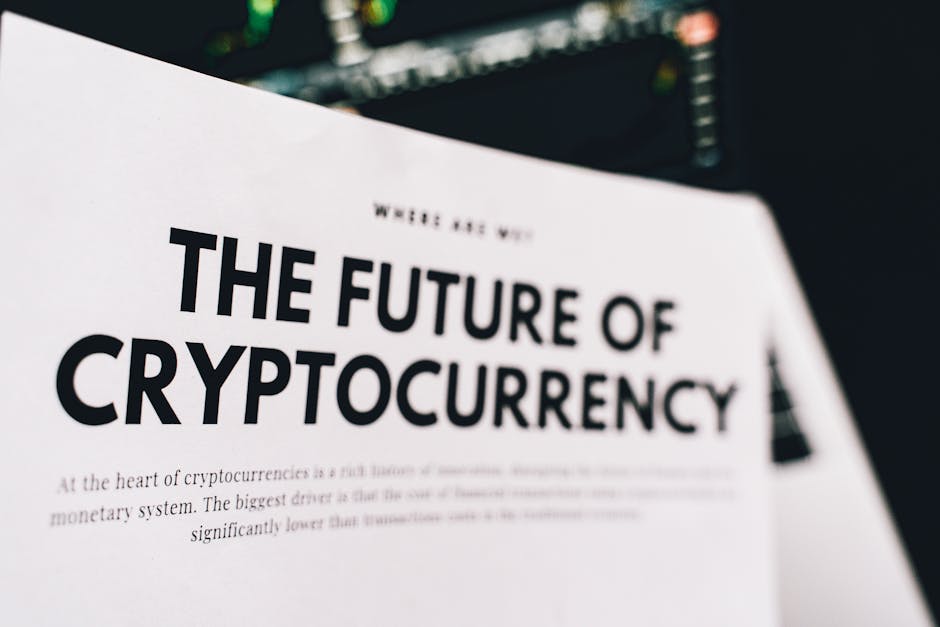
Why the SEC’s Spot Bitcoin ETF Decision Will Redraw Crypto’s Institutional Landscape
The SEC’s pending verdict on spot Bitcoin ETFs is more than a product launch—it’s a litmus test for how regulators, custodians and institutions will coexist in a maturing crypto market.

CME’s Cleared Bitcoin Options Could Redraw Institutional Risk Playbooks
The new CME Bitcoin options market brings clearing‑house rigor to crypto, but it also raises questions about liquidity, pricing and the regulatory tightrope institutions must walk.
Why US Attempts to Save the Yen Are Doomed to Slip
The Treasury’s recent yen‑support moves clash with a widening US‑Japan rate gap and a resilient dollar, making any short‑term fix fragile.

Hormuz Tensions Are Fast‑Tracking the US Shale Resurgence
With the Strait of Hormuz again a flashpoint, investors are betting on domestic oil supply, reshaping the global oil narrative beyond OPEC dominance.
Regulators Must Act Before the CFD Summer Surge Turns Toxic
The 40% jump in retail CFD volume is a warning sign that regulators can no longer ignore. I argue that tighter leverage caps and clearer disclosure rules are overdue.

Why Hormuz Tensions Are Driving Up Shipping Insurance and Squeezing Refiners
As Iran and Oman edge toward a Hormuz reopening, the real price shock is coming from soaring marine insurance premiums that are adding a hidden cost to crude and tightening refinery margins.
Crypto’s Institutional Pivot: Why Platforms, Governance, and Niche Licenses Matter
Emerging service platforms like TropixPro, Bitcoin’s governance turmoil, and Bhutan’s new crypto license illustrate how the market is moving from hype to a quest for sustainable legitimacy.
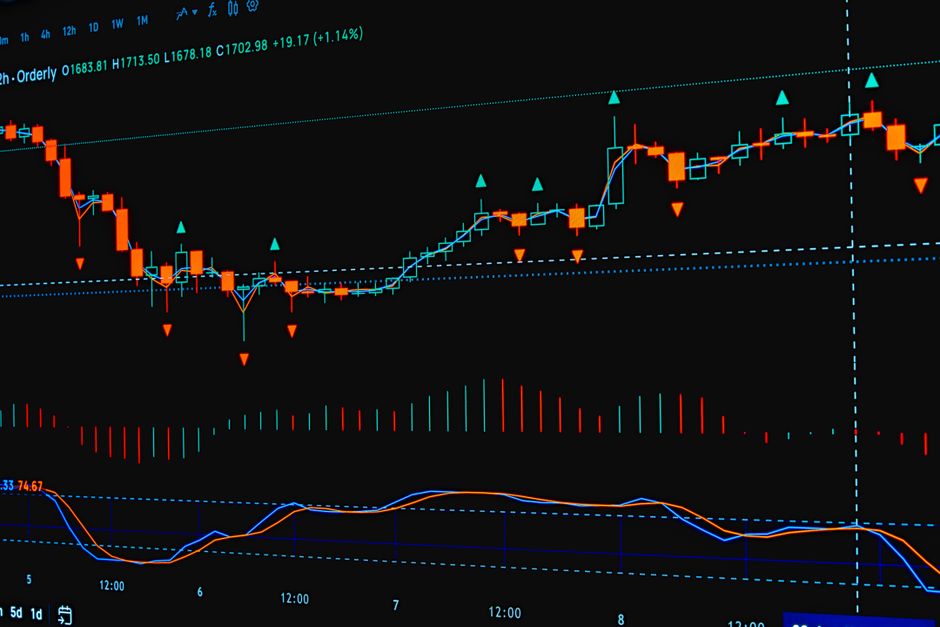
Retail CFD frenzy fuels 40% volume surge amid summer volatility
Brokers report a 40% jump in retail CFD trading on major indices as summer volatility spikes, while new entrant TropixPro accelerates the market’s accessibility.
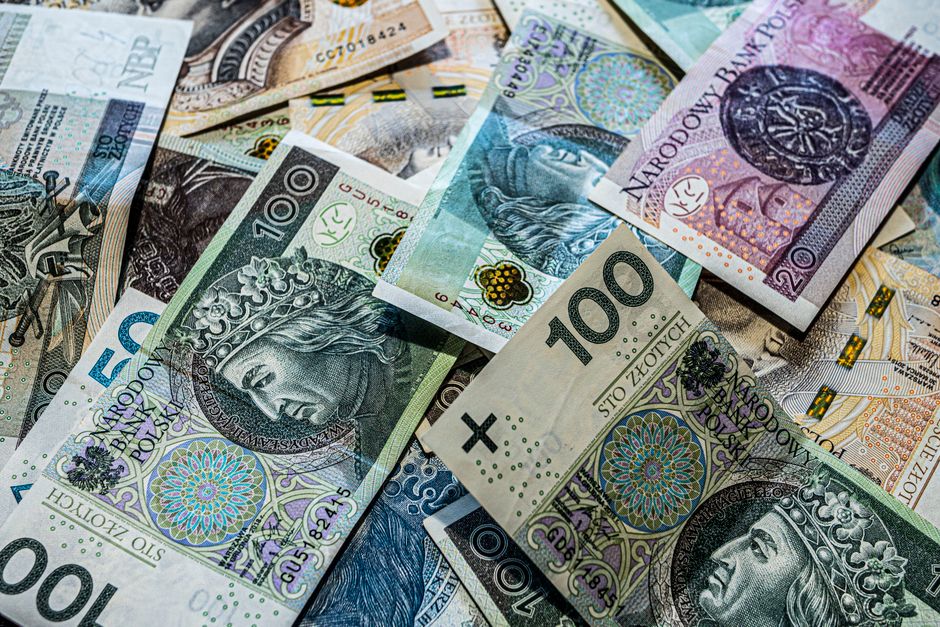
German factories revive, but ECB’s policy dilemma persists
A second month of stronger industrial output in Germany eases manufacturing worries, yet the European Central Bank still faces a tightrope between inflation control and growth support.



Why the Euro’s Slip and the Pound’s Pause Signal a Turning Point in FX
The euro’s slide after the ECB hinted at a September cut and a steadier dollar ahead of US payrolls leave the pound in limbo, reshaping the Euro‑Dollar‑Pound triangle.

Hormuz, Gold and Avocados: Why Geopolitics Still Drives Commodities
Iran’s near‑term Hormuz opening, a bullish call on gold and a tentative avocado restart all point to a market where geopolitical risk and supply bottlenecks still dominate price moves.
Why Bitcoin’s Governance Crisis and Bhutan’s Crypto License Reveal the Market’s New Fault Lines
The clash between waning miner support for BIP‑110 and exchanges courting regulated niches like Bhutan shows crypto is shifting from hype to a battle for legitimacy and sustainable structure.