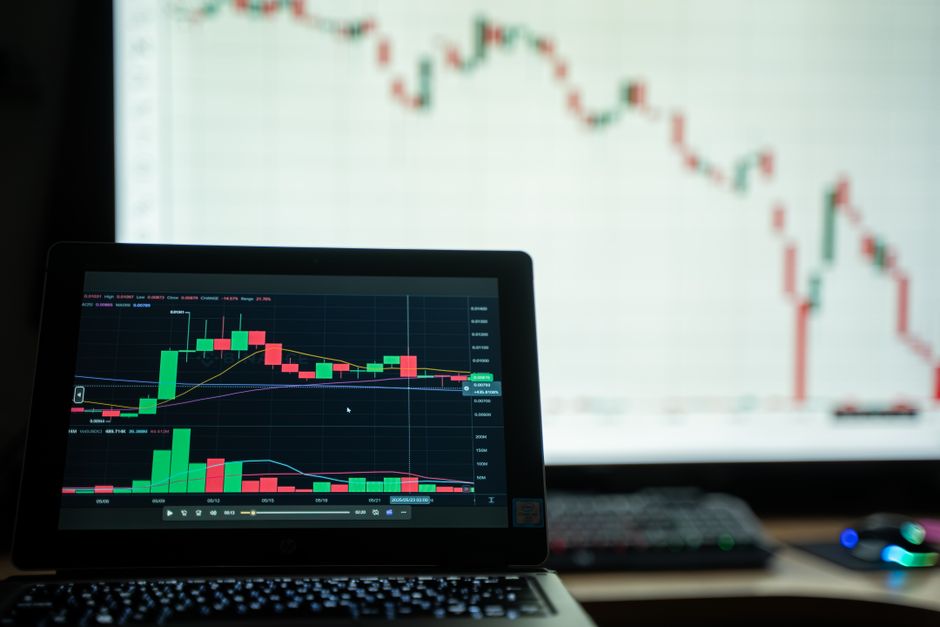
Brent crude tops $89 as U.S.-Iran tensions stall Hormuz talks
Oil prices rise after stalled negotiations over the Strait of Hormuz amid ongoing U.S.-Iran tensions, lifting Brent crude above $89 per barrel.
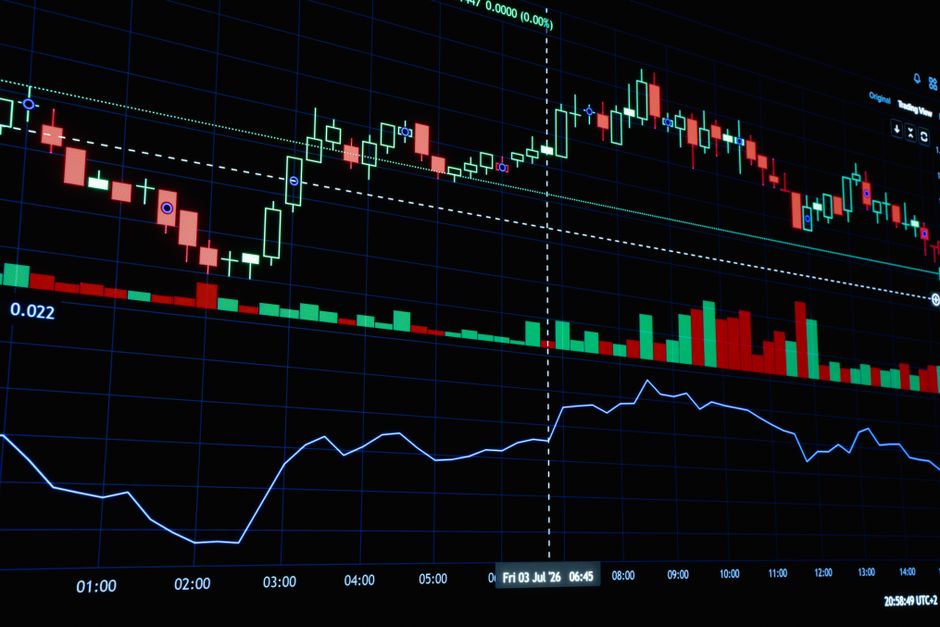
Brent crude futures rose above $89 per barrel on Monday as stalled negotiations over the Strait of Hormuz exacerbated concerns over supply disruptions in the Persian Gulf.
Talks between the U.S. and Iran aimed at easing tensions in the region have stalled, leaving the critical shipping route vulnerable to potential blockades or attacks. The Strait of Hormuz, through which roughly one-fifth of the world’s seaborne oil passes, remains a flashpoint in geopolitical disputes.
Analysts noted that any disruption to oil flows through the strait could significantly tighten global supply, particularly as OPEC+ production cuts continue to limit output. The cartel and its allies, including Russia, have maintained voluntary supply reductions totaling about 2.2 million barrels per day through mid-2024.
U.S. crude futures also edged higher, though West Texas Intermediate (WTI) lagged Brent, trading near $85 per barrel. The widening Brent-WTI spread reflects regional supply risks, as Brent is more directly exposed to Middle Eastern geopolitical risks.
The market’s sensitivity to geopolitical developments has been underscored in recent weeks, with oil prices fluctuating in response to rhetoric and military posturing in the region. While no immediate supply disruptions have been reported, the lack of progress in U.S.-Iran negotiations has heightened risk premiums in oil markets.
OPEC+ is scheduled to review its production policy at its next meeting in June, but analysts expect the group to maintain its current cuts unless a material supply disruption occurs. For now, the market remains on edge as geopolitical risks outweigh macroeconomic concerns about demand growth.
The latest price action underscores the fragile balance in oil markets, where geopolitical risks often outweigh fundamental supply-demand dynamics in the short term.
Sophie covers currency markets and central bank policy across Europe, with a focus on how rate decisions ripple through FX pairs. She has been tracking the ECB's policy path since the start of the current easing cycle.
Mehr von Sophie Laurent →