Supertankers Vanish Through Strait of Hormuz, Prompting Shipping Concerns
Analysis notes a sudden drop in visible supertanker traffic through the Strait of Hormuz, a key oil transit route, raising questions about routing and supply dynamics.

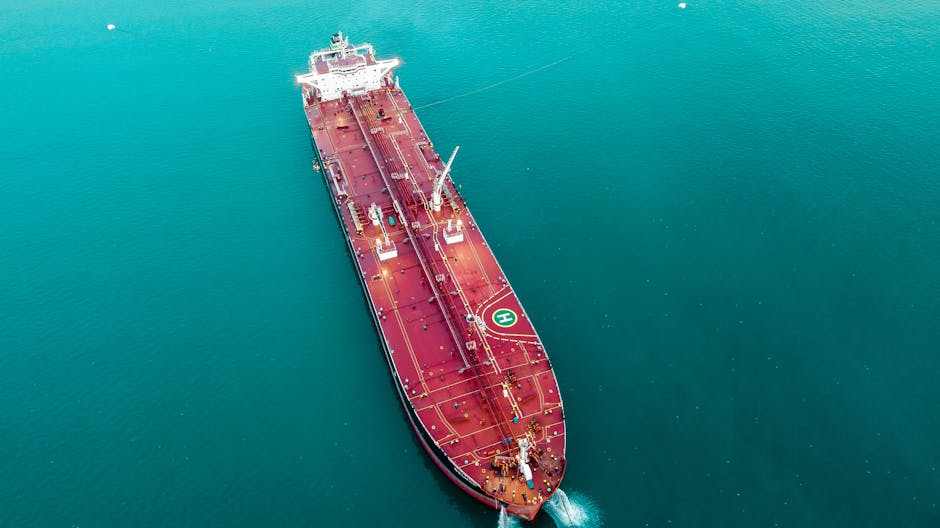
The Strait of Hormuz, a narrow waterway linking the Persian Gulf with the Gulf of Oman, has long been a critical conduit for crude oil, handling roughly 20% of global oil shipments. Recent observations indicate that a number of supertankers—vessels typically exceeding 300,000 deadweight tons—have effectively disappeared from tracking data as they enter the strait, a phenomenon dubbed the "Hormuz Houdini" by market analysts.
Satellite and AIS (Automatic Identification System) feeds show a marked reduction in the number of large crude carriers visible within the strait's confines over the past several days. While the vessels are still presumed to be transiting the route, their absence from public tracking platforms suggests possible rerouting, heightened security protocols, or temporary operational pauses.
The sudden opacity in supertanker movements comes at a time when oil markets remain sensitive to supply‑side disruptions. Any sustained reduction in transit volumes could tighten physical crude supplies, potentially influencing benchmark prices such as Brent and WTI. Traders and downstream users are therefore monitoring the situation closely for signs of broader logistical bottlenecks.
Industry observers caution that the lack of visibility does not necessarily imply a halt in shipments; rather, it may reflect a shift toward alternative routing or the use of communication‑blackout measures. Nonetheless, the "Hormuz Houdini" episode underscores the strategic importance of the strait and the need for continued vigilance over maritime traffic that underpins global energy markets.
David reports on energy, metals and agricultural markets, tracking how supply signals and safe-haven demand move prices across the commodities complex.
Plus de David Chen →