





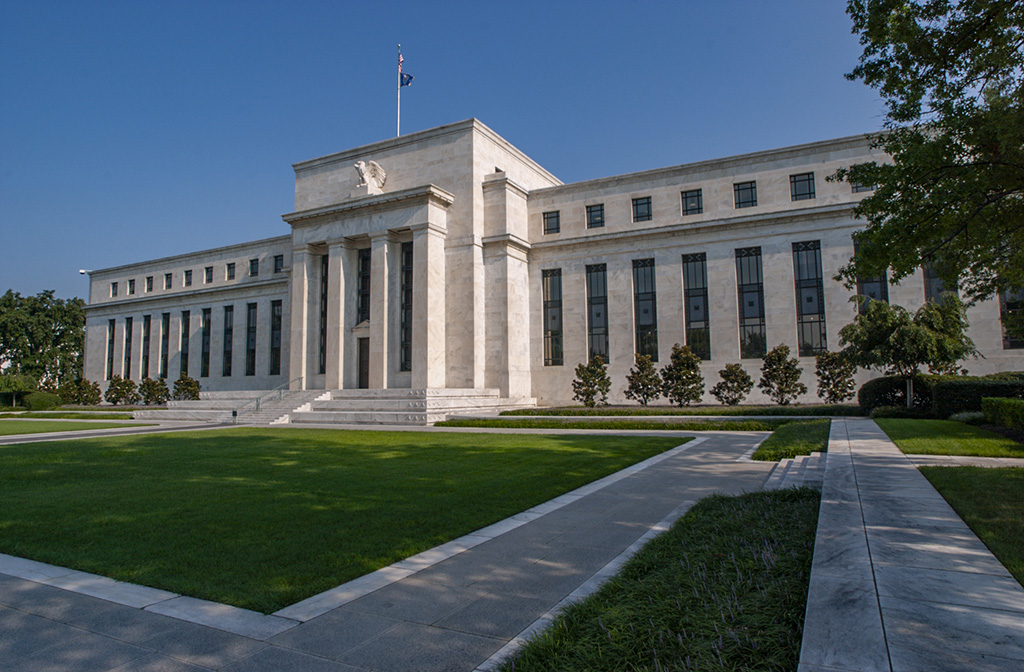
Asian currencies traded mixed Thursday as the U.S. dollar held near a two-month high, buoyed by stronger U.S. economic data that revived inflation concerns and bets on additional Federal Reserve rate increases. The Japanese yen remained close to multi-decade lows as Japanese markets reopened from holidays.
The dollar index hovered around 101.09, having touched 101.2 earlier. The greenback’s strength followed a poorly received $70 billion five-year Treasury auction that pushed the five-year yield above 5%, a level not seen since July 2007. On Wednesday, Brent crude rose nearly 4% to around $103 a barrel, adding to risk sentiment headwinds as markets weighed Iranian threats to restrict navigation through the Strait of Hormuz and U.S. efforts to curb diesel exports.
In currency markets, the Australian dollar traded near $0.70 against the greenback, the New Zealand dollar sat at $0.57, and the Singapore dollar edged up to 1.2801. The Indonesian rupiah rose 0.6% to 17,903.5 per dollar after Bank Indonesia maintained its benchmark rate at 5.75%. The Indian rupee dipped 0.02% to 95.915. The Chinese yuan strengthened through the 6.70 level to a more than three-and-a-half-year high before settling at 6.72 offshore and 6.71 onshore.
Japan’s flash manufacturing PMI fell to 54.1 in September from 54.9 in August, according to data released as the country returned from holidays. Meanwhile, the 10-year Japanese government bond yield rose to around 3.06%, marking its highest level in three decades.
Fed Governor Michael Barr said a strong economy and rising inflation risks could necessitate further rate hikes. According to CME FedWatch pricing, traders imply nearly a 70% chance of an October increase, up from roughly 50% a week ago.
Separately, markets were assessing potential extensions to the U.S.-China trade truce ahead of expected talks between President Donald Trump and President Xi Jinping. Unresolved issues include artificial intelligence, rare-earth exports, U.S. aircraft purchases, and agricultural goods.




