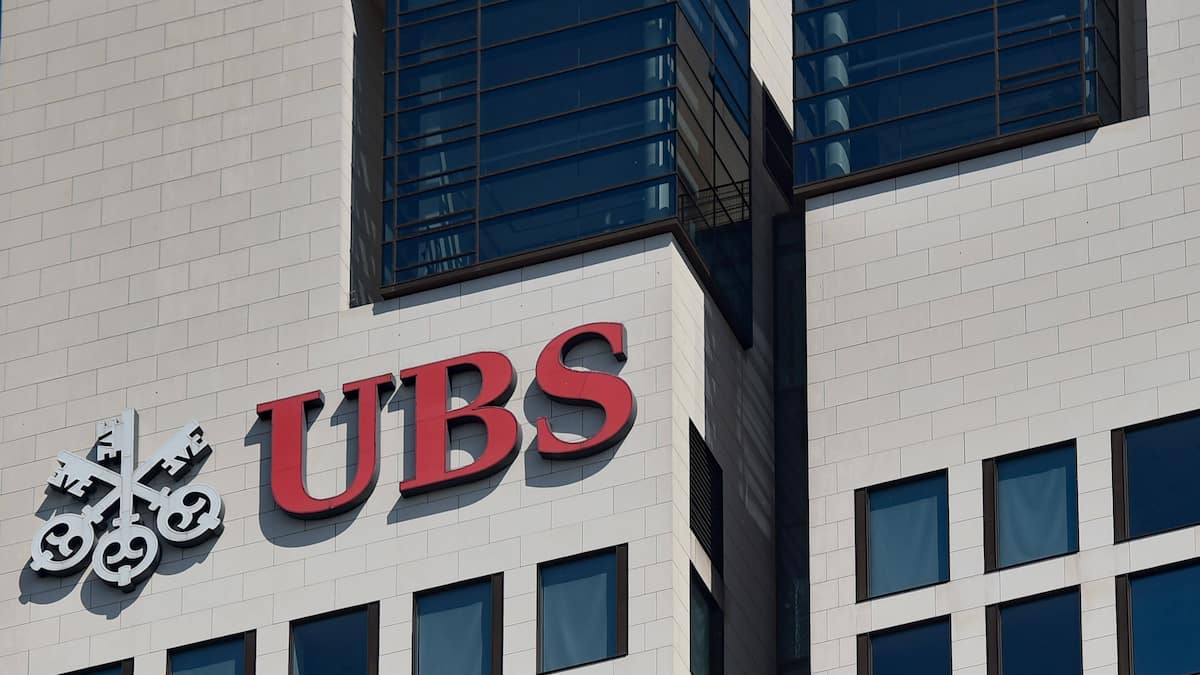
The Swiss Market Index (SMI) opened higher on Thursday, rising by 0.2 percent, as 17 out of 20 constituent stocks advanced. However, the broader market was not uniform, with notable declines in Roche, which fell 0.7 percent, and Amrize and Alcon, each down 0.3 percent. UBS stocks showed minimal movement, up 0.2 percent, following the Ständerat’s decision on the bank’s governance reforms. In contrast, ABB, Lonza, and Logitech surged by 1.0 percent, 0.9 percent, and 0.8 percent, respectively, continuing gains from the previous session. Mid-cap stocks like Helvetia Baloise and Swissquote also performed well, with the latter rising over 1 percent, while Helvetia Baloise climbed 1.8 percent after reporting earnings. Rieter, however, suffered a significant blow after UBS downgraded its rating from Hold to Sell and slashed its price target from 2.0 to 1.7 Swiss francs, causing a 6.8 percent drop. Ypsomed also faced a downgrade from Buy to Hold by Stifel, with its price target reduced from 380 to 370 Swiss francs, leading to a 1.7 percent decline. Meanwhile, Schindler’s participatory shares saw a positive shift as Octavian upgraded its rating to Buy from Hold and raised its price target from 310 to 320 Swiss francs. Roche’s Vontobel analyst group maintained a Buy rating but increased its price target from 405 to 410 Swiss francs. The Swiss financial sector’s half-year results season neared its end, with Helvetia Baloise, MCH, and Aevis set to release their reports on Thursday, alongside key economic data releases, including Swiss trade figures, export data, and the Seco’s autumn economic outlook. The UBS governance vote also dominated discussions. In Asia, markets reacted to the Federal Reserve’s first rate hike in over three years, signaling a more aggressive monetary policy stance. The Dow Jones Industrial Average fell 1.21 percent, while the S&P 500 and Nasdaq declined 0.45 percent and 0.02 percent, respectively. The Fed’s unanimous decision to raise rates by 0.25 percent to a 3.75–4.00 percent range sent a clear signal of resolve, though it may not align with President Trump’s expectations. Oil prices retreated further amid reports of alternative export routes for Saudi Arabian crude, easing concerns over supply disruptions from the Iran conflict. Brent crude fell to 104.21 dollars per barrel, and WTI dipped to 101.07 dollars, down from earlier losses of around three dollars. The dollar strengthened, reaching a seven-week high, supported by rising short-term U.S. Treasury yields. Gold prices rose by 1 percent to 4,305 dollars per ounce, reflecting broader risk-on sentiment despite the Fed’s hawkish stance. Meanwhile, the U.S. tech sector saw mixed results, with AI-driven semiconductor stocks Intel, AMD, and Marvell Technology gaining 4 percent, 1.7 percent, and 3.6 percent, respectively, while Nvidia rose 0.8 percent. However, JB Hunt’s shares plummeted 13.3 percent after warning of rising costs and issuing a rare earnings warning. Boeing’s shares also declined 3.7 percent, extending a 7 percent annual loss, due to delays in testing its 777X aircraft. The broader market sentiment was tempered by concerns over rising borrowing costs, which could reduce the attractiveness of riskier assets like equities relative to safer fixed-income investments.
Swiss Market Index rises; Roche downgraded, Rieter hit by UBS rating cut
Swiss equities mixed as SMI gains, but Roche and Rieter face downgrades; oil prices dip amid geopolitical uncertainty and Fed rate hike expectations.
PA
Priya Anand · Equities & Earnings Desk · 17 Sept 2026 · 08:22 · 3 min de lectura
Este artículo fue producido con asistencia de IA y editado por un periodista de Finance Review Daily.
ADVERTISEMENT


PA
Escrito por
Priya Anand
Equities & Earnings Desk
Priya covers listed equities and corporate earnings, reading quarterly results and guidance for what they signal about sector health and forward valuations.
Más de Priya Anand →