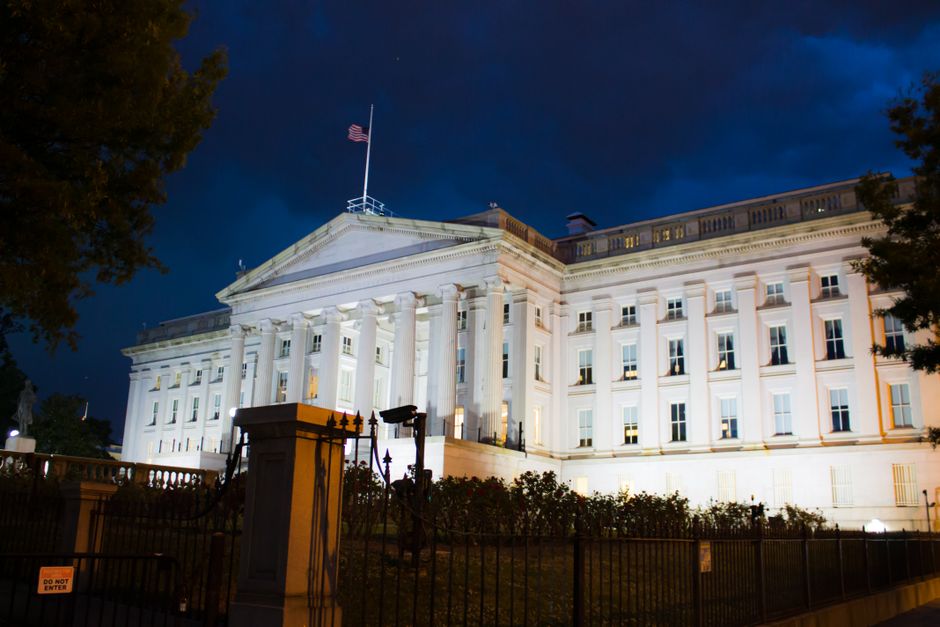
The U.S. Treasury Department has issued a proposed rule to define core elements and jurisdictional boundaries for stablecoins under the GENIUS Act, a law enacted by Congress in 2025. The draft regulation aims to clarify the legal framework governing the issuance, redemption, and oversight of stablecoin issuers operating within the United States.
The proposal follows the GENIUS Act’s mandate to establish a comprehensive regulatory structure for payment stablecoins, addressing concerns over consumer protection, financial stability, and illicit finance risks. Key provisions in the draft include definitions for eligible stablecoin types, reserve requirements, and reporting obligations for issuers.
Treasury officials stated that the rule is designed to align with existing financial regulations while ensuring that stablecoin issuers meet prudential standards similar to those applied to traditional financial institutions. The department has invited public comment on the proposal, with a 60-day comment period open until mid-October.
The GENIUS Act represents a significant step in the federal government’s efforts to regulate the rapidly growing stablecoin market, which has expanded alongside broader adoption of digital assets. Industry stakeholders, including stablecoin issuers and financial technology firms, are expected to provide feedback on the practical implications of the proposed requirements.
The Treasury’s move comes amid heightened scrutiny of stablecoins by U.S. regulators, including the Securities and Exchange Commission and the Commodity Futures Trading Commission, which have raised concerns about market integrity and systemic risks.


