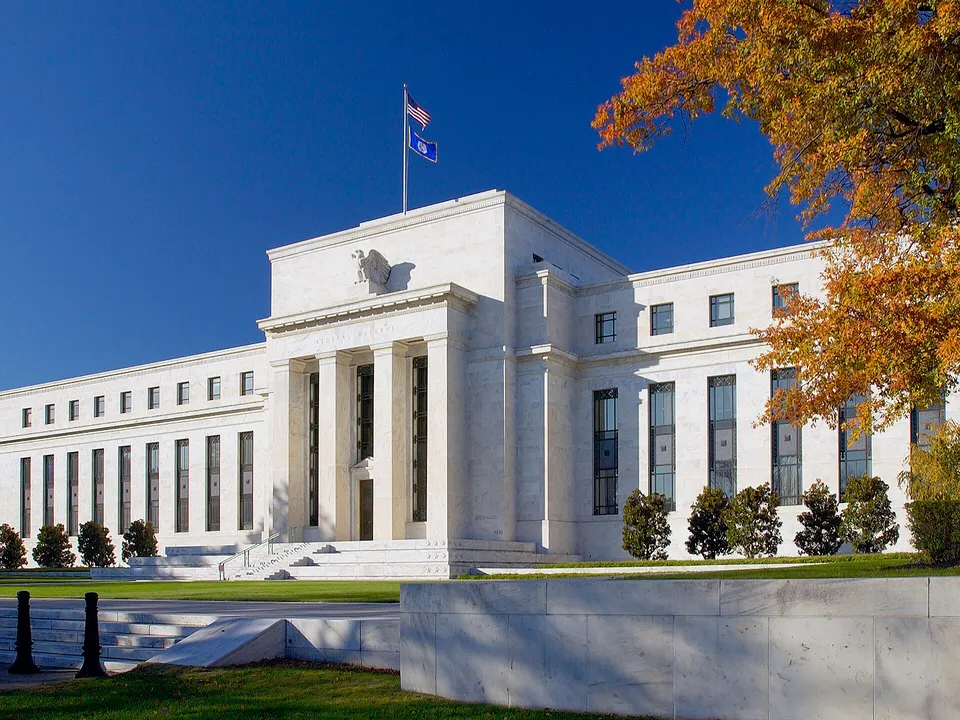
The U.S. national debt surpassed $40 trillion for the first time on Tuesday, according to Treasury Department data, as investors weighed Federal Reserve policy signals and escalating geopolitical tensions.
U.S. stock futures rose modestly on Thursday, with Dow futures up 0.1%, S&P 500 futures gaining 0.2% and Nasdaq 100 futures advancing 0.5% by 02:39 ET. The gains followed the release of minutes from the Federal Reserve’s July meeting, which showed the central bank held borrowing costs steady but faced dissent from three voting members who favored a quarter-point increase. The Fed’s 19-member Federal Open Market Committee includes seven non-voting participants, and the minutes did not indicate a clear consensus on the timing of future rate adjustments.
Geopolitical risks also supported risk appetite after former President Donald Trump warned of severe economic consequences for countries engaging with Iran. Brent crude, the global oil benchmark, rose more than 5% over the week and traded at $92.05 per barrel on Thursday, up 0.5%. Trump’s remarks, which framed potential measures against Iran as economic warfare, contributed to the upward pressure on oil prices amid concerns over supply disruptions.
Corporate earnings provided a counterpoint to macroeconomic concerns, with Walmart scheduled to report quarterly results on Thursday. The retail giant’s advertising unit, Walmart Connect, reported 44% growth in the quarter ended April 30, marking its fastest-ever recorded pace. Walmart shares were up just over 1% year-to-date ahead of the earnings release, reflecting investor optimism about its diversified revenue streams.
The Treasury Department’s announcement that it would double buyback sizes for long-term debt came as the U.S. 30-year bond yield approached its highest level in nearly two decades. The move aimed to stabilize demand amid rising borrowing costs, which have been driven by growing fiscal pressures and elevated inflation expectations. Total public debt outstanding reached $40.047 trillion, roughly doubling under the tenures of former Presidents Donald Trump and Joe Biden, underscoring the long-term fiscal challenges facing the U.S. government.