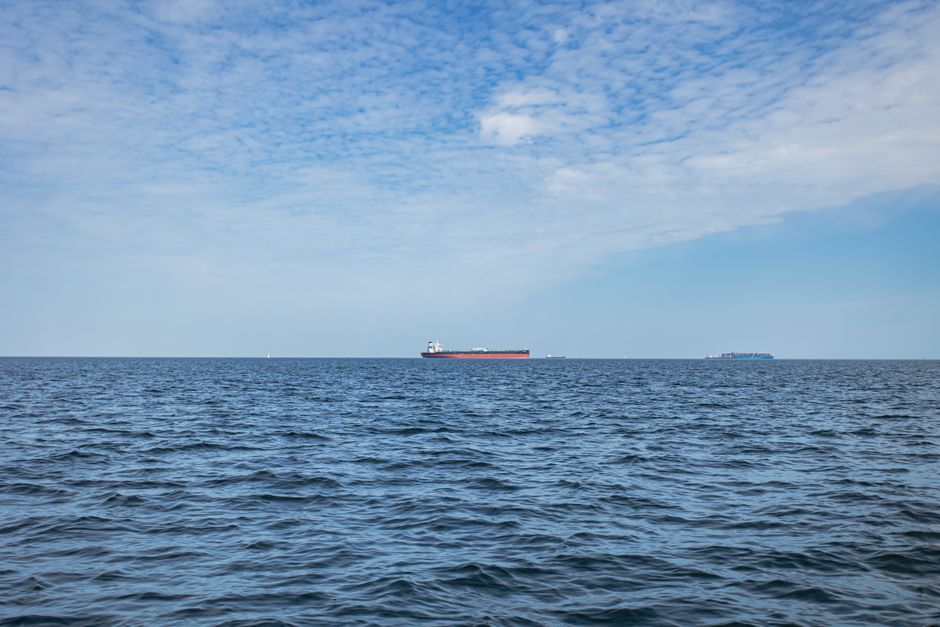
Vessel traffic at the Strait of Hormuz fell to five ships in either direction on Tuesday, according to ship-tracking data from Kpler, marking a decline from the 10-day average of 15 transits. The slowdown follows a gradual reduction in crossings since August 22, when daily traffic peaked at 20 inbound and 14 outbound vessels, including three dark-mode transits.
The latest data showed two LPG tankers and one bitumen carrier exiting the Strait, while two empty product tankers entered from the Gulf of Oman into the Persian Gulf. Windward’s maritime intelligence indicated that as of Monday, inbound traffic had slumped to four ships, with no outbound vessels and three dark-mode crossings recorded.
The drop in transits coincides with ongoing discussions between Iran and Oman regarding the establishment of a temporary shipping corridor through the Strait. A joint statement from the two countries emphasized their commitment to resuming safe navigation while safeguarding sovereignty and sovereign rights. The proposed framework includes a joint temporary navigational corridor and a separate agreement to clear the Strait of mines.
Despite the diplomatic outreach, Iran reiterated its stance that the Strait of Hormuz would remain closed unless the U.S. ends its military operations in the region. The warning, issued early Wednesday, underscores the persistent geopolitical risks that continue to weigh on shipping activity in one of the world’s most critical oil transit routes.
China accounts for roughly 65% of crude exports transiting the Strait of Hormuz, according to Windward’s data, highlighting the corridor’s strategic importance to Beijing’s energy security.