Smith-Midland Corporation (NASDAQ: SMID) outlined growth momentum and operational expansion during the 17th Annual Midwest IDEAS Conference on August 27, 2026, highlighting a trailing 12-month revenue of $89.5 million and EBITDA of $14.3 million as of the second quarter of 2026.
The company reported a record $93 million in revenue for 2025, with backlog totaling $57.4 million, an increase of 19% from the first quarter of 2026. Management noted a target backlog of approximately $100 million, with undercounted demand estimated at $5 million to $7 million per quarter due to quick-hit orders and special barrier projects completed before formal capture. Contract rescissions remained below 1%, described as rare by executives.
Chief Executive Officer Ashley Smith emphasized the company’s rental fleet expansion, which has grown from roughly 50,000 linear feet to about 150 miles of barrier over the past five years. Fleet utilization stands near 80%, with a blended return on investment timeline of approximately 3.5 years. The company also submitted plans for a 30-acre expansion site in Virginia to support storage and manufacturing capacity. A current ratio of 4.06 was cited as a measure of financial stability.
Smith-Midland’s flagship products include the J-J Hooks barrier, the number one private-brand barrier in the U.S., and Easi-Set and Easi-Span small building systems, both protected by patents and trademarks. The SlenderWall precast concrete panel system is experiencing record activity, with seven projects in the development pipeline. Utility vaults have outperformed full-year projections midway through 2026, driven by data center construction in Northern Virginia, which handles approximately 80% of the nation’s data center and internet traffic.
The company’s licensing royalty rate typically stands at 6%, with California licensees ramping up production ahead of a January 1, 2027 deadline for MASH barrier conversions. A new limited deflection barrier, intended to capture 80% to 90% of the market while reducing installation costs by about 80% compared to competitors, failed its first crash test and is undergoing adjustments for retesting.
Executives highlighted a multi-decade barrier replacement cycle driven by federal mandates requiring higher crash test levels every 15 years. With approximately 40% of federal infrastructure bill funding still unspent as of its September 2026 expiration, Smith-Midland positioned itself to benefit from sustained demand. The company’s stock closed at $26.28 on August 31, up 4.7% for the session.
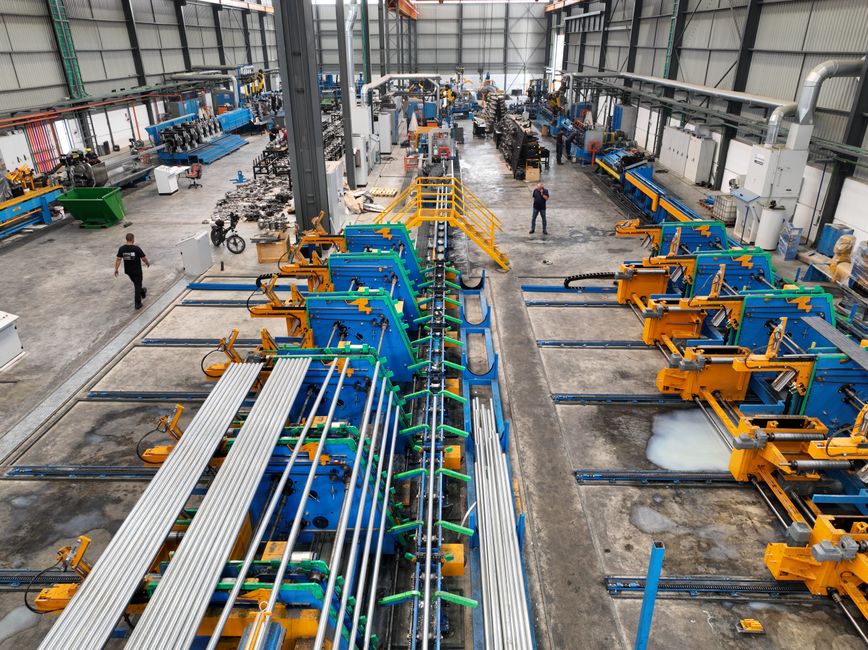
Smith-Midland operates three primary manufacturing facilities in Virginia, Maryland, and Washington, D.C., with additional plants in North and South Carolina. The company’s market capitalization stands at about $145 million, with a stock beta of 1.75.