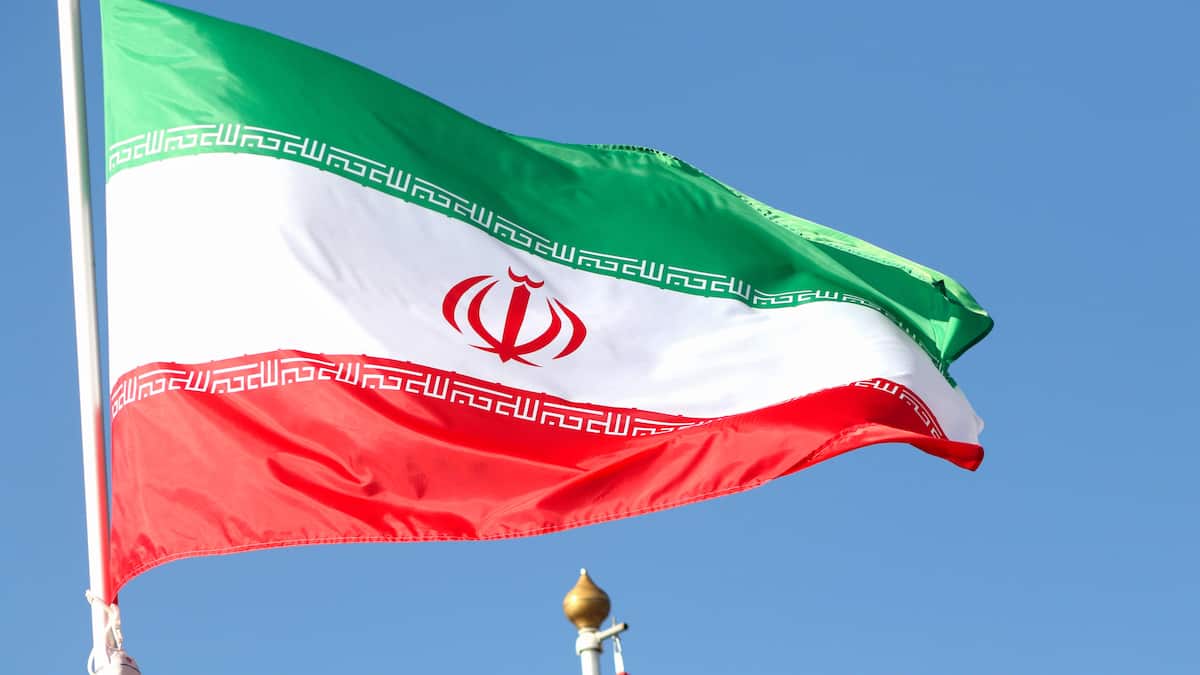
Iran escalated its rhetoric against the United States on Saturday, warning of severe consequences from Washington’s planned economic warfare while threatening to target Gulf oil exporters that align with American pressure. The escalation follows a scheduled announcement by U.S. Treasury Secretary Scott Bessent in Washington, where he is set to unveil what he described as the 'harshest sanctions in history' against Tehran.
Parliament Speaker Mohammed Bagher Ghalibaf posted a cartoon on X suggesting sanctions would backfire on the U.S., while National Security Council chief Mohsen Resai warned Gulf states via state television that supporting Washington’s campaign would be treated as an act of hostility. Resai stated that Iran would block all oil shipments through the Persian Gulf if negotiations failed, declaring that 'not a single drop' of oil would pass through the region.
The threats come as Iran continues to enforce restrictions on shipping through the Strait of Hormuz, a critical chokepoint for oil, gas and fertilizer exports from Gulf states. Iranian authorities have mandated that vessels follow a route along Iran’s coast, threatening confiscation for violations. Iran has refused to ease these measures until an agreement with Washington is reached, including demands for unfrozen assets and sanctions relief.
The Houthi militia in Yemen, aligned with Iran, separately threatened to block transit through the Bab al-Mandab strait at the Red Sea entrance, a route linking Asia to Europe via the Suez Canal. Iran’s President Massud Peseschkian acknowledged severe economic strain in a speech, citing 'significant imbalances' in water, electricity, gas and fuel supplies, though he expressed confidence in the nation’s resilience. Foreign Minister Abbas Araghtschi framed economic warfare as a longstanding U.S. tactic, asserting that Iran has adapted over decades of sanctions.
Despite Iran’s sanctions-evasion systems, the economy faces one of its most severe crises, with inflation surging and infrastructure damaged by a six-month-old conflict involving the U.S. and Israel. The U.S. blockade of Iranian ports has further tightened pressure on Tehran. Meanwhile, the United Arab Emirates, a U.S. ally, announced it would suspend all trade and financial transactions with Iran indefinitely, a move that could devastate Iran’s economy if replicated by other partners such as Turkey.
Pakistan’s army chief Asim Munir is expected to visit Tehran on Saturday, according to Iran’s foreign ministry spokesperson, in what was described as an effort to promote regional peace and security. Mediators, including Pakistan, have been working behind the scenes to broker progress between Washington and Tehran, though no timeline or guarantee of success has been established.