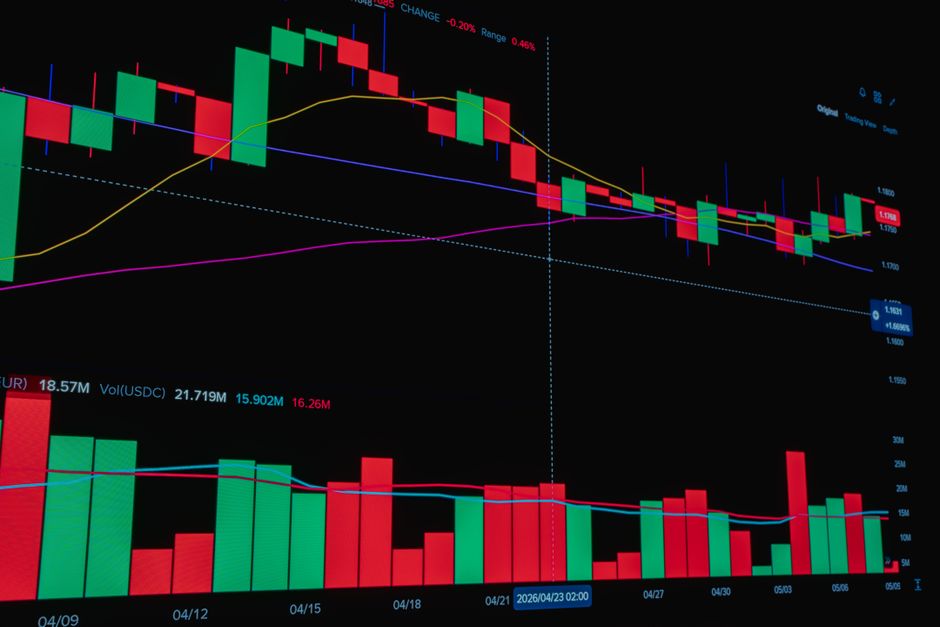
The dollar index has been hovering around its weakest point since mid‑May, and for the first time in weeks Asian spot rates have stopped sliding and are essentially flat. On the surface that looks like a welcome breather for the yen, won and Singapore dollar, but the calm is more a product of market indecision than a durable trend.
What’s really anchoring the greenback at these levels is a confluence of three factors: the market’s growing conviction that the Federal Reserve is on a path to cut rates later this year, the fresh flare‑up of U.S.‑Canada trade tensions after Washington announced 50 % tariffs on $20 billion of Canadian goods, and a modest Treasury buy‑back programme that has lifted short‑term funding rates without adding much upside to the dollar.
For Asian FX the immediate implication is a muted carry‑trade environment. The yen and Swiss franc, traditionally the cheap funding currencies, have not rallied as aggressively as they might have if the dollar were simply weak on pure risk‑off grounds. Instead, the yen remains under pressure from the Bank of Japan’s ultra‑easy stance, while the franc is still being priced for a potential policy shift at the SNB. That dynamic leaves the won and the Singapore dollar as the primary beneficiaries of the dollar’s softness, but only insofar as they can absorb modest inflows without sparking a broader risk‑on rally.
Looking closer at the individual markets, the Korean won has edged higher on the back of solid export data and a relatively stable interest‑rate outlook from the Bank of Korea. The Chinese yuan, meanwhile, is being nudged by the People’s Bank of China’s cautious stance on capital outflows, keeping it near the 7.25 per dollar mark. Singapore’s dollar benefits from the city‑state’s strong fiscal position and its status as a regional funding hub, but its gains are capped by the broader risk‑aversion that still lingers after the recent oil price dip.
Oil’s slide of just over $1 a barrel may seem trivial, yet it has a disproportionate effect on the FX landscape. Lower crude prices ease the pressure on commodity‑exporting currencies like the Canadian loonie, which in turn reduces the demand for safe‑haven funding currencies. At the same time, the dip feeds into the narrative that global growth is slowing, reinforcing the Fed’s dovish bias and keeping the dollar from rebounding.
From a central‑bank perspective, the ECB is still wrestling with its own inflation‑adjusted tightening cycle, while the Bank of England watches domestic data for clues on whether to pause. The BoJ, of course, remains committed to its negative‑rate regime, a policy choice that continues to suppress the yen despite the dollar’s weakness. In this environment, any surprise – be it a stronger‑than‑expected U.S. jobs report or a sudden escalation in the Iran‑U.S. economic standoff – could yank the dollar back up and instantly reverse the modest gains in Asian currencies.
My view is that the current steadiness is a holding pattern, not a new equilibrium. Traders are waiting for clearer signals from both the Fed and Asian central banks before committing to directional bets. The dollar’s three‑month low has bought time, but the next catalyst – whether it’s a policy announcement, a trade‑policy resolution, or a geopolitical flashpoint – will likely set Asian FX on a more decisive trajectory.
In short, the dollar’s lull should be read as a pause button rather than a play‑off. The Asian market’s next move will hinge on how quickly the underlying policy divergences and trade‑tension narratives resolve, and whether the dollar can sustain its current softness in the face of any new shock.