Industrial metals prices are increasingly shaped by a confluence of geopolitical tensions, supply constraints and policy shifts, with copper, aluminum and steel each responding differently to these pressures.
J.P. Morgan Global Research estimates copper will reach $14,800 per metric ton in the fourth quarter of 2025, citing tight mine supply, sulfur shortages and an industrial boom as key drivers. The metal’s recent rally to an all-time high of $14,527/mt in mid-2025 was partly attributed to Middle East conflict disrupting sulfur and sulfuric acid flows critical for copper leaching. Gregory Shearer, head of Base and Precious Metals Strategy at J.P. Morgan, noted that structural demand from electrification and data center capital expenditure remains intact despite potential Federal Reserve rate hikes.
The analysis highlights an additional catalyst: tariff uncertainty between the U.S. and China, which has intensified competition for copper units. While the global refined copper market remains balanced, China’s net-short position and import challenges are creating upward pressure. The market is awaiting a decision from the Trump administration on Section 232 duties, which could further tighten supply if implemented. “We do think this is going to be quite meaningful for price formation over the balance of 2026,” Shearer said.
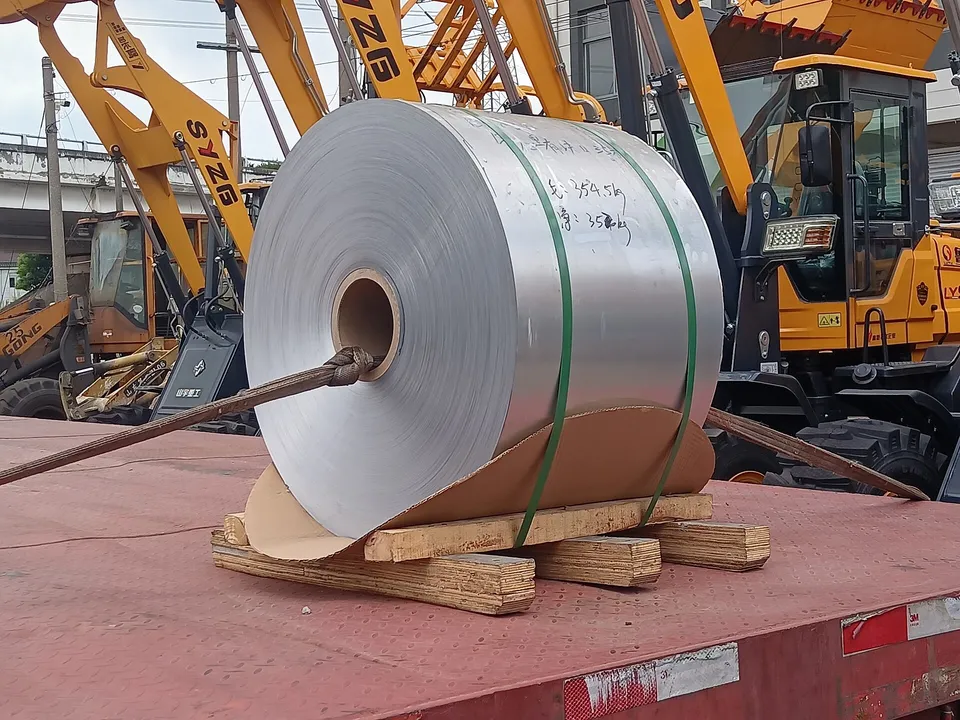
Aluminum markets face a potential deficit of 1.7 million metric tons in 2026, driven by Middle East supply disruptions and China’s 45 million metric ton capacity cap. Earlier this year, conflicts in the Middle East forced the temporary shutdown of Emirates Global Aluminum’s Al Taweelah and Aluminum Bahrain smelters, which together account for over 6% of global supply. While operations have since resumed, ongoing disruptions at the Strait of Hormuz continue to pose risks. J.P. Morgan forecasts aluminum at $3,800/mt in the third quarter of 2026, declining to $3,700/mt in the fourth quarter, before easing to $2,750/mt by the end of 2027.
China’s role remains pivotal. Analysts warn that if Chinese aluminum exports surge to offset Middle East supply losses, policymakers may impose additional export controls or tariffs, further tightening the market. “If this risk were to come to fruition, LME aluminum prices would likely have significant upside, even above our bullish price forecast,” Shearer noted.
Steel prices exhibit sharp regional divergence. In the U.S. and EU, tariffs and trade protection measures are keeping prices elevated, with the EU’s tariff-rate quota system capping duty-free imports at 18.3 million tons annually and imposing a 50% tariff on excess volumes. Meanwhile, China’s property sector downturn has weakened domestic demand, pushing steel mill margins into negative territory in mid-2025. Supply chain disruptions from the Red Sea blockade and Middle East conflicts have also contributed to freight volatility for iron ore and other raw materials.
The global steel benchmark, Hot-Rolled Coil, stood at approximately $1,186/mt as of mid-2025, with trade policies and regional demand imbalances expected to dictate further price movements.