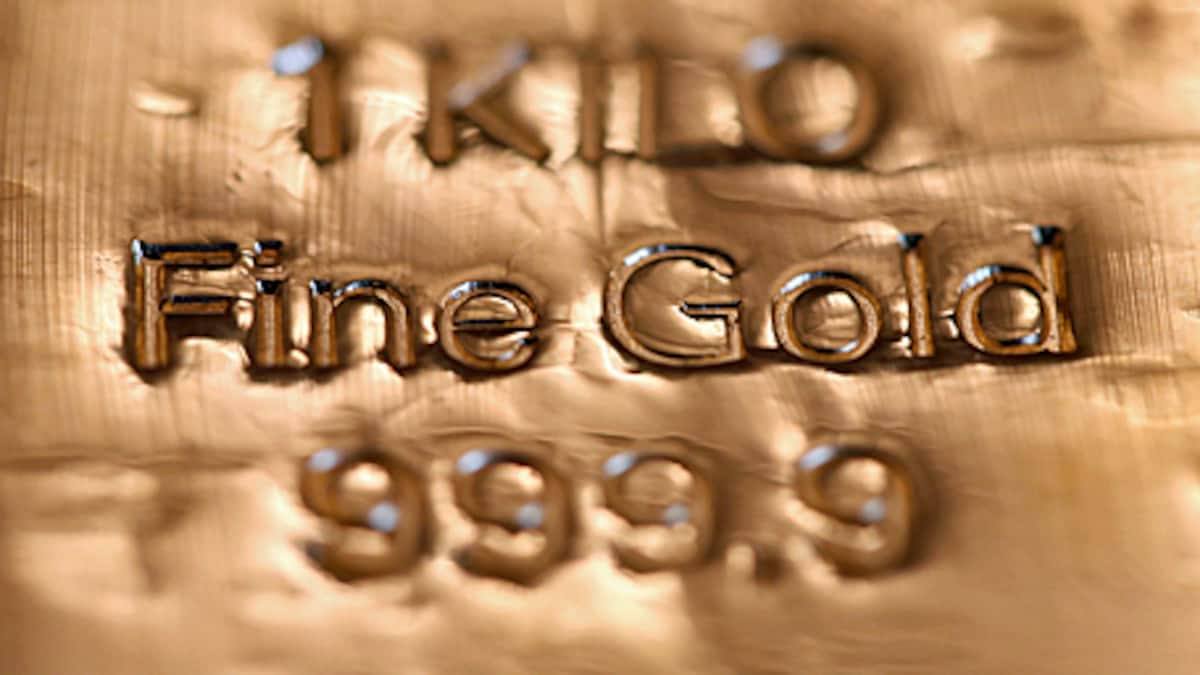
Gold prices eased 0.7% on Wednesday to $4,625 per ounce, marking the first pullback following a five-day rally that pushed the metal to a three-month high. The advance last week totaled 7%, driven by a sharp drop in U.S. Treasury yields after the Treasury Department signaled plans to intervene in bond markets.
The intervention aims to lower borrowing costs for the federal government, but it also weakened the dollar and encouraged investors to rotate into non-yielding assets such as gold. The metal’s recovery in August has nearly erased its year-to-date decline, leaving it down just 0.7% since January’s record close of $5,590 per ounce.
Analysts at Morgan Stanley’s U.S. equity strategy unit reiterated their recommendation for gold as a defensive asset. ‘Investors are seeking non-equity exposure tied to commodities to mitigate portfolio risk,’ said Mike Wilson, the firm’s chief U.S. equity strategist, in a Bloomberg Television interview. ‘Gold has been in a bull market for 25 years.’
Since 2001, when the average annual price was $271 per ounce, gold has appreciated by a factor of 17, translating to a nominal gain of 1,615%. A $8,713 investment made in 2001 would now be worth $149,500, even after adjusting for U.S. inflation over the same period, which still leaves a real gain of $134,253.
Short-term outlooks remain mixed. TD Securities analysts Ryan McKay and Bart Melek cautioned that the latest rally may be premature for a push to fresh record highs, citing elevated energy prices and persistent inflation risks. Market participants are also awaiting signals on U.S. monetary policy, with Federal Reserve Chair Kevin Warsh scheduled to deliver a keynote address at the Jackson Hole symposium on Friday.