





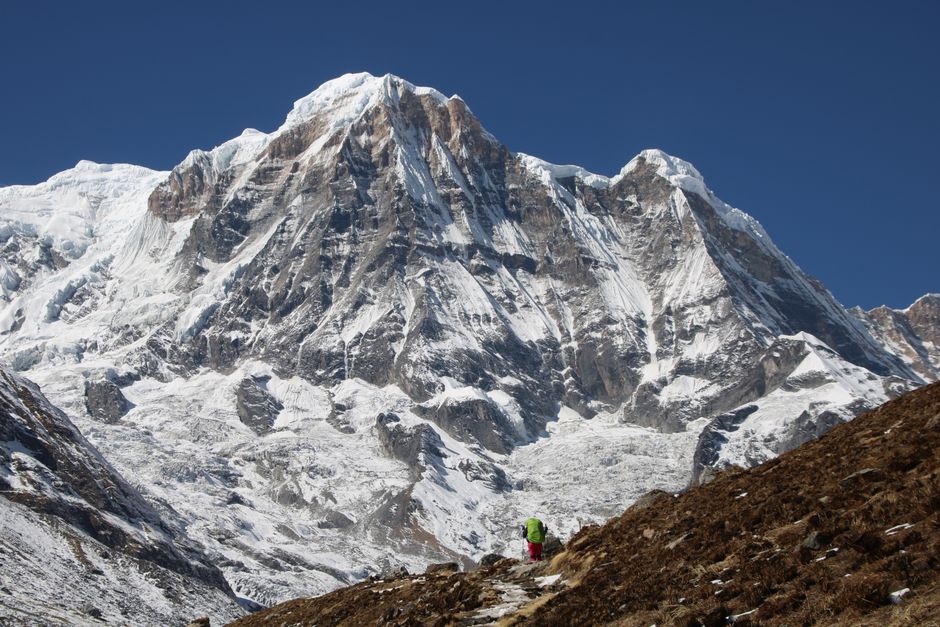
A sudden flash flood in Nepal’s Rasuwa district, near the border with Tibet, has killed nearly 100 people and left more than 300 travelers missing after an ice and rock avalanche from a glacier at 5,200 meters elevation.
The disaster occurred when the lower section of a glacier collapsed, plunging approximately 1,200 meters into the valley and triggering a surge that sent river levels at Galchhi downstream rising by up to 9 meters within 30 minutes. The floodwaters flowed into the Bhote Koshi and Trishuli river systems, compounding the impact in the region.
The event took place roughly 20 kilometers northeast of a Nepal-China border post, according to authorities and scientific assessments. Experts cited by local media and international outlets, including Vikram Gupta of Sikkim University and Dan Shugar of the University of Calgary, indicated the glacier collapse was the likely trigger for the flood, which struck without warning.
The disaster follows a broader trend of accelerated glacial retreat in the Himalayas. A 2023 United Nations report noted that Nepal’s snow-capped mountains have lost nearly one-third of their ice over the past three decades due to global warming, with glaciers melting 65% faster in the decade leading up to 2023 compared to the prior decade. The International Centre for Integrated Mountain Development (ICIMOD) and Nepal’s National Disaster Risk Reduction and Management Authority are among the institutions monitoring such risks in the region.
Rescue and recovery operations remain ongoing as authorities assess the full scope of the damage and the likelihood of further hazards from unstable glacial terrain.






