





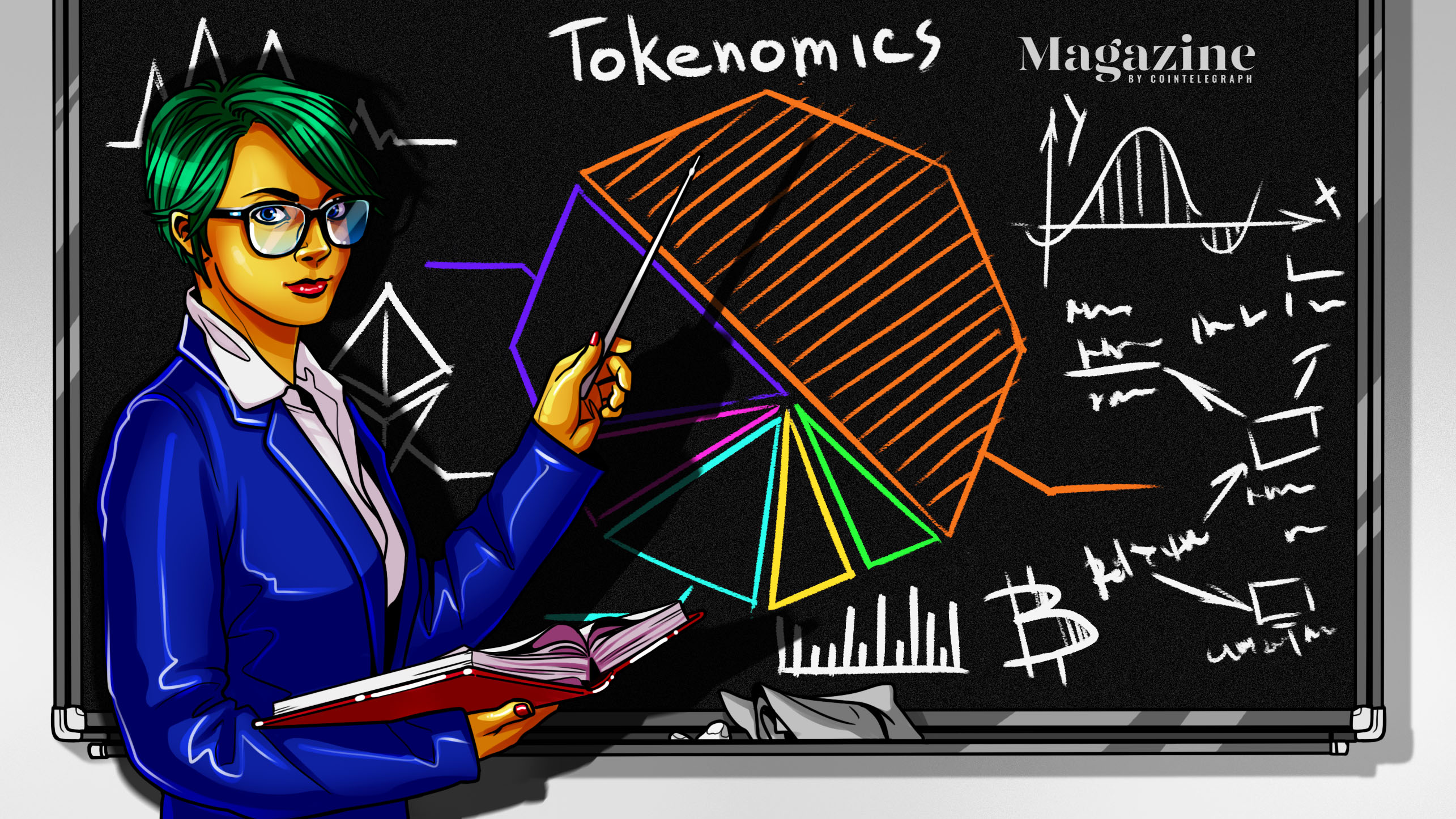
Crypto projects are increasingly mimicking traditional finance by using revenue to repurchase their own tokens. In the first half of 2026, they have spent roughly $640 million on token buybacks, a 17% rise from the same period a year earlier and an order of magnitude higher than the $366,000 recorded in 2024. Two platforms, Hyperliquid and Pump.fun, together account for about 90% of the current spend.
Buybacks are intended to create demand while token burns reduce circulating supply, potentially supporting price. Orest Gavryliak, chief legal officer at decentralized‑exchange aggregator 1inch, said projects pursue either a supply‑reduction goal or a way to showcase the economic rationale for channeling protocol revenue to token holders.
Max Shannon, senior research associate at Bitwise Europe, noted that buybacks and burns “create a continuous bid in the open market for the token, directly tethering token success to the platform’s adoption.”
Hyperliquid has allocated 99% of its revenue to repurchase and burn its HYPE token. Pump.fun directs about half of its revenue to the same purpose, having removed $446.65 million of PUMP tokens from circulation. By contrast, DeFi infrastructure protocol Spark has used surplus to buy back 143 million SPK tokens, which remain in its treasury to reward long‑term participants rather than being burned. Spark’s co‑founder and CEO Sam MacPherson said the model aligns token holders with the protocol’s economic success while preserving flexibility on future token deployment.
Buybacks are also marketed as tax‑efficient returns for holders, avoiding dividend‑type tax liabilities. Critics argue that the same funds could be deployed to hire developers, expand product offerings, or strengthen balance sheets. MacPherson cautioned that projects should ask, “What is the highest‑value use of the next dollar of surplus?”
The price impact of buybacks is mixed. Pump.fun’s token remains about 50% below its September 2025 all‑time high despite aggressive repurchases, and Uniswap’s UNI token has fallen roughly 50% since its buyback program began in November 2025. Shannon emphasized that many factors influence price, and investors are debating whether a lower share of revenue should be earmarked for buybacks.
Regulatory scrutiny is emerging. The draft Digital Asset Market Clarity (CLARITY) Act of 2025 raises the question of whether a token’s value derives from network functionality—making it akin to a commodity—or from the project’s team efforts, which could classify it as a security. Gavryliak warned that “if the buybacks stopped, would there still be a reason to hold the token?”





