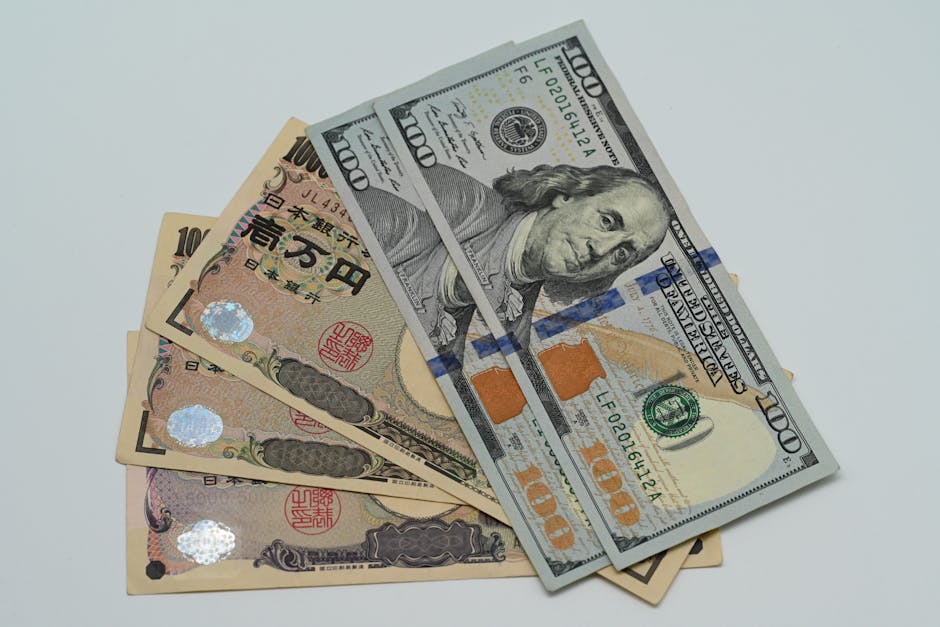
USD/JPY recorded its largest weekly decline since late July, falling sharply after senior Federal Reserve officials delivered relatively dovish remarks and market participants speculated about possible intervention by the Bank of Japan on behalf of the Japanese government. The analysis notes that the pair’s slide was halted by an unexpectedly strong August payrolls report in the United States, which revived expectations of a September rate hike by the Fed.
The upcoming U.S. consumer price index (CPI) and producer price index (PPI) releases on Thursday and Friday are identified as the primary drivers for the pair this week. According to the analysis, core CPI will need to meet or exceed expectations to solidify the case for a September hike, with market pricing currently indicating roughly a two‑in‑three probability of such a move. If core inflation comes in below expectations, the analysis suggests the market may shift focus to a December hike.
Fed officials delivered mixed signals in the preceding week. Chair Kevin Warsh and Governor Michael Barr expressed hawkish tones, emphasizing concerns over inflation, while New York Fed President John Williams and Governor Christopher Waller signaled a more cautious stance, indicating the case for a September hike was not yet firm. With the Fed in a blackout period ahead of its September meeting, the analysis expects the data to speak for itself.
On the Japanese side, the analysis points to a fully priced September BOJ hike and an over 80% probability of a follow‑up move in December. Upcoming wage and upstream PPI data, along with the final Q2 GDP reading, will be crucial in confirming or challenging these expectations.
The correlation between USD/JPY and U.S. Treasury yields remains strong, with five‑day correlations of 0.80 for the 2‑year, 0.89 for the 10‑year, and 0.76 for the 30‑year yields, according to the analysis. This relationship suggests that any upward pressure on yields from weak auction demand or a disappointing budget statement could further support USD/JPY gains.
Technical analysis highlights a range bounded by 156.68 on the upside and 155.50 on the downside. Oscillators, including an RSI of 34 and a MACD below the signal line, continue to favor selling into strength, though the analysis notes a slight reversal in downside momentum following the payrolls surprise. The analyst recommends focusing on price action rather than committing to a directional bias in the near term.