Brent crude futures for October delivery rose to $91.23 per barrel on Tuesday, up 0.32% from the prior session, as geopolitical risks in the Middle East tightened global supply expectations.
Analysts pointed to escalating tensions in the Gulf, where ship traffic through the Strait of Hormuz has nearly halted following U.S. President Donald Trump’s threats to strike Oman and the expiration of a 60-day ceasefire. Commerzbank analyst Norman Liebke noted that a swift normalization of oil shipments from the region appears increasingly unlikely amid the deteriorating security environment. "The situation in the Middle East threatens to escalate further," Liebke said. "According to Trump, no talks with Iran are currently underway, nor are any planned."
Iran has tied the reopening of the Strait of Hormuz—a critical chokepoint for global oil transit—to the full implementation of a framework agreement signed with the U.S. in mid-June. Parliament President Mohammed Baghar Ghalibaf reiterated before a parliamentary session that the waterway would remain closed until Washington fulfills its obligations under the deal.
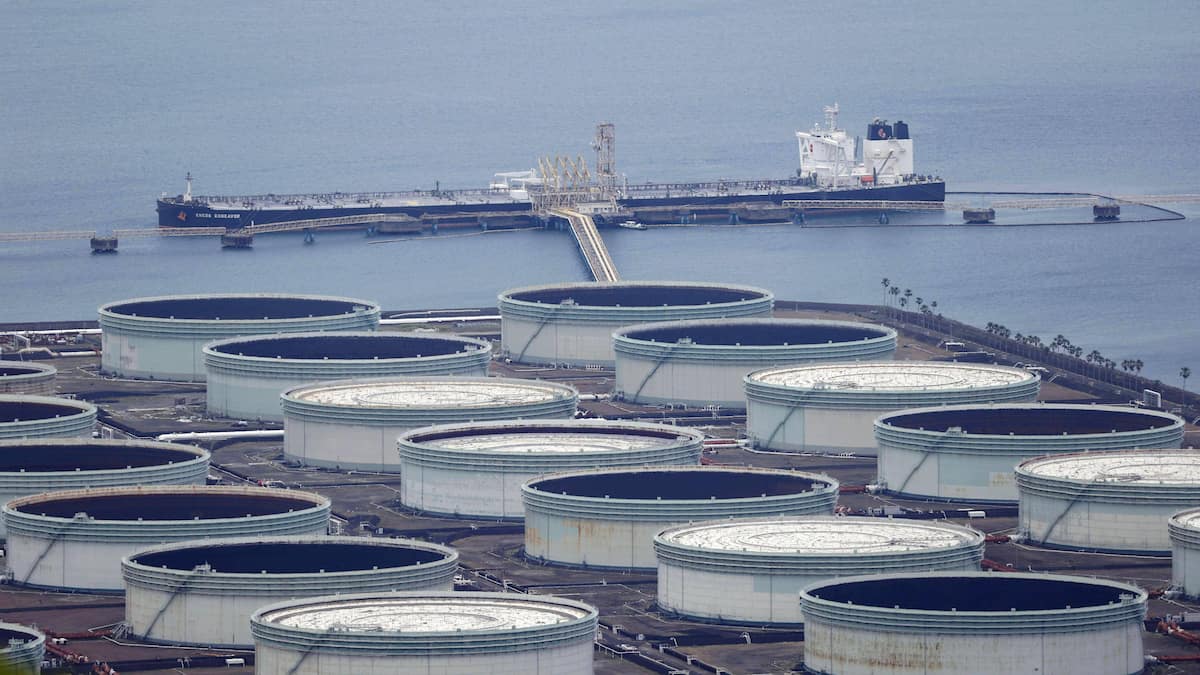
The disruption has already impacted tanker movements, with reports citing a vessel near Kagoshima, Japan, linked to Eneos Endeavor, navigating the region in June. Chris Weston, head of research at Pepperstone Group, told Bloomberg that Trump’s rhetoric and reluctance to engage in new truce negotiations have pushed Brent futures above last week’s highs. "Given the current situation, further upside potential for oil prices must be expected," Weston said.
The Brent contract, benchmark for global oil prices, reflects concerns over reduced crude flows from a key producing region, compounding existing supply tightness. Traders are monitoring developments closely as the standoff between Iran and the U.S. shows no signs of resolution.

