

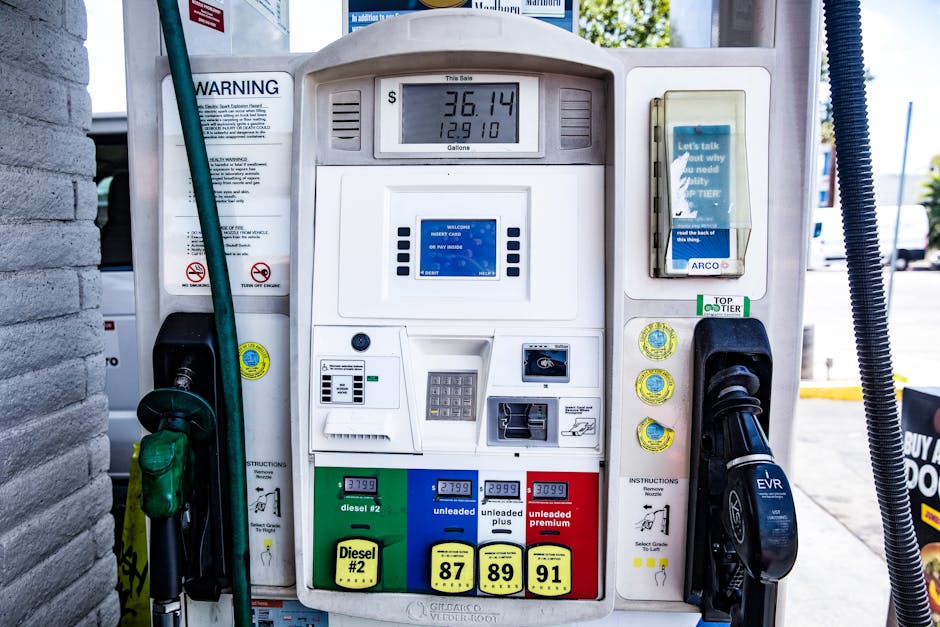
Diesel prices are approaching record levels faster than gasoline, with U.S. national averages just 6.37% below their June 2022 peak, according to analysis of weekly AAA fuel data. The national average diesel price stood at $5.45 per gallon as of August 18, compared with a record $5.8159 set on June 19, 2022. Regular gasoline, by contrast, remains 23.40% below its 2022 high of $5.0165, trading at $3.92 per gallon.
The diesel crack spread—a key indicator of refining profitability and a proxy for industrial demand—has widened sharply, reflecting severe structural constraints in global refining capacity for distillates. The spread, which measures the difference between crude oil prices and the cost of ultra-low sulfur diesel (ULSD), has surged to $101.85 per barrel, according to the analysis. This level, combined with diesel inventories running 12% below seasonal norms, suggests minimal buffer against further disruptions.
Demand dynamics further support the case for higher diesel prices. Unlike gasoline, which typically softens after the summer driving season, diesel consumption intensifies in late summer and autumn due to agricultural harvesting, holiday freight shipping, and heating oil blending. The analysis highlights that diesel powers critical sectors including commercial trucking, cargo shipping, rail transport, and agriculture, making its price movements a leading indicator for supply chain health and transportation inflation.
Global refining constraints are exacerbating the tightness. The U.S. Energy Information Administration (EIA) reports that American distillate fuel oil exports—primarily diesel—have reached an unprecedented 1.884 million barrels per day, a record high. Historically, U.S. diesel exports were concentrated in Mexico and South America, but current geopolitical disruptions have redirected flows toward Europe. Following drone attacks on Russian refineries and Moscow’s ban on diesel exports, European hubs face severe localized deficits, creating a lucrative transatlantic arbitrage that is drawing U.S. diesel supplies overseas.
The analysis notes that a $5 increase in West Texas Intermediate (WTI) crude oil could push diesel prices to new record highs, depending on refining capacity constraints. While former President Donald Trump has attributed rising fuel costs to oil companies, the analysis dismisses this claim, emphasizing that the U.S. remains exposed to global refining bottlenecks despite domestic production levels.
The inflationary impact of elevated diesel prices is already being felt by sectors with inelastic demand. Independent truckers, operating on thin spot margins, and farmers, who must lock in input costs ahead of harvest season, face disproportionate pressure. The analysis describes the price surge as an "inflationary tax" that will ripple through consumer households, with bond markets monitoring the macroeconomic implications.
