

Guides
Explainers on forex, CFDs and how markets work.

The Retail Trading Boom: How Everyday Traders Reshaped the Industry
Two decades ago, forex and CFD trading were largely inaccessible to individual investors, requiring institutional connections, dedicated infrastructure, and significant capital just to open an account. Today, opening a…

How Central Bank Decisions Move Currency Markets
Central banks are among the most influential forces in the forex market. Interest rate decisions, in particular, can trigger significant currency volatility within seconds of an announcement, as traders rapidly reprice…
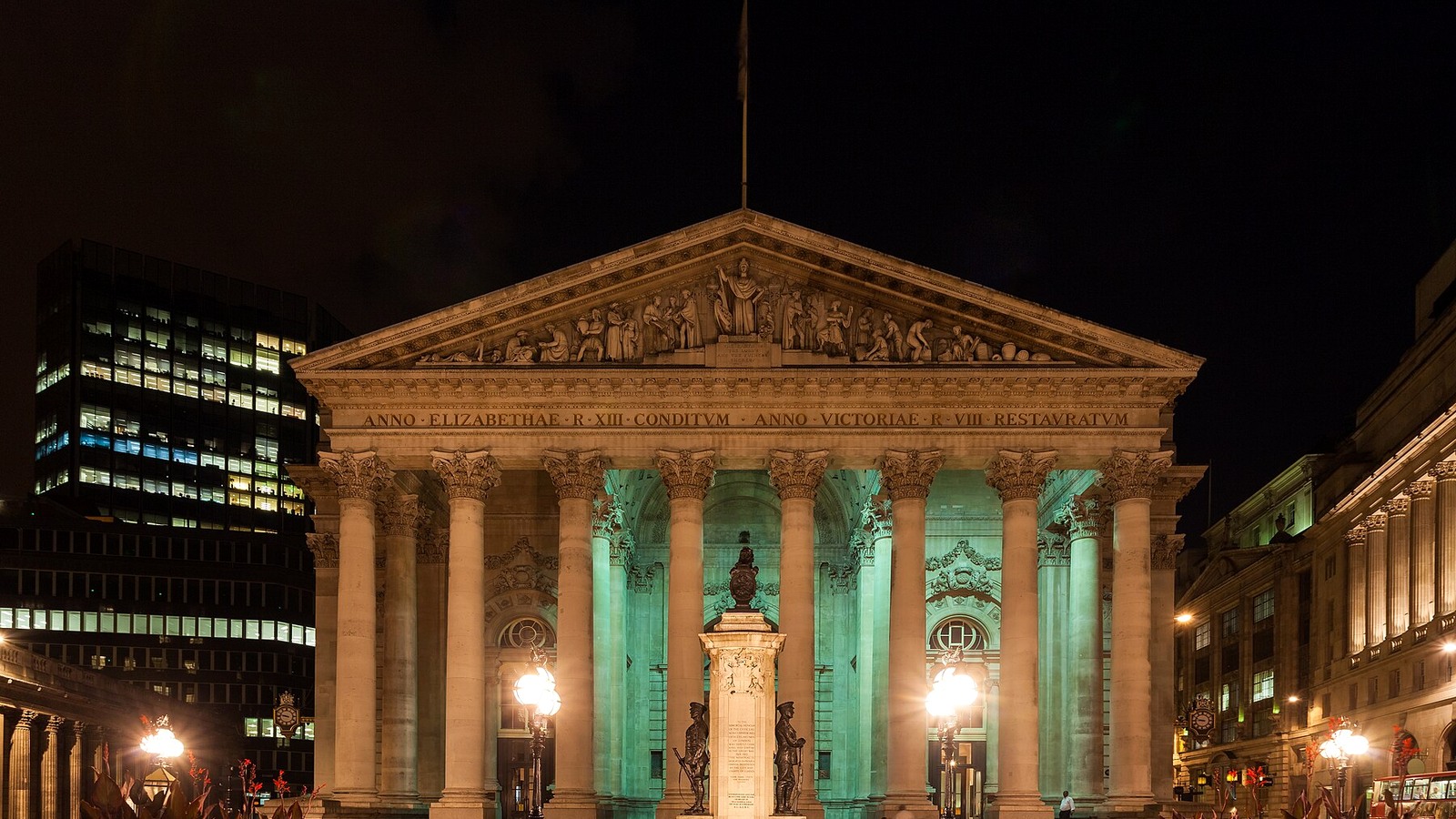
The Origin of CFDs: A British Invention Born from a Tax Loophole
Contracts for Difference weren't originally designed as a global retail trading product — they emerged in London in the early 1990s largely as a tool for institutional investors to hedge stock positions without paying UK…

From Gold to Floating Rates: A Brief History of the Forex Market
The modern forex market as we know it is younger than most people assume. For decades, currency values were pegged under the Bretton Woods system, established in 1944, which tied major currencies to the US dollar, itself…

CFDs Explained: How Contracts for Difference Work
Contracts for Difference (CFDs) are derivative instruments that let traders speculate on price movements of an asset — stocks, commodities, indices, or currencies — without owning the underlying asset itself. This…
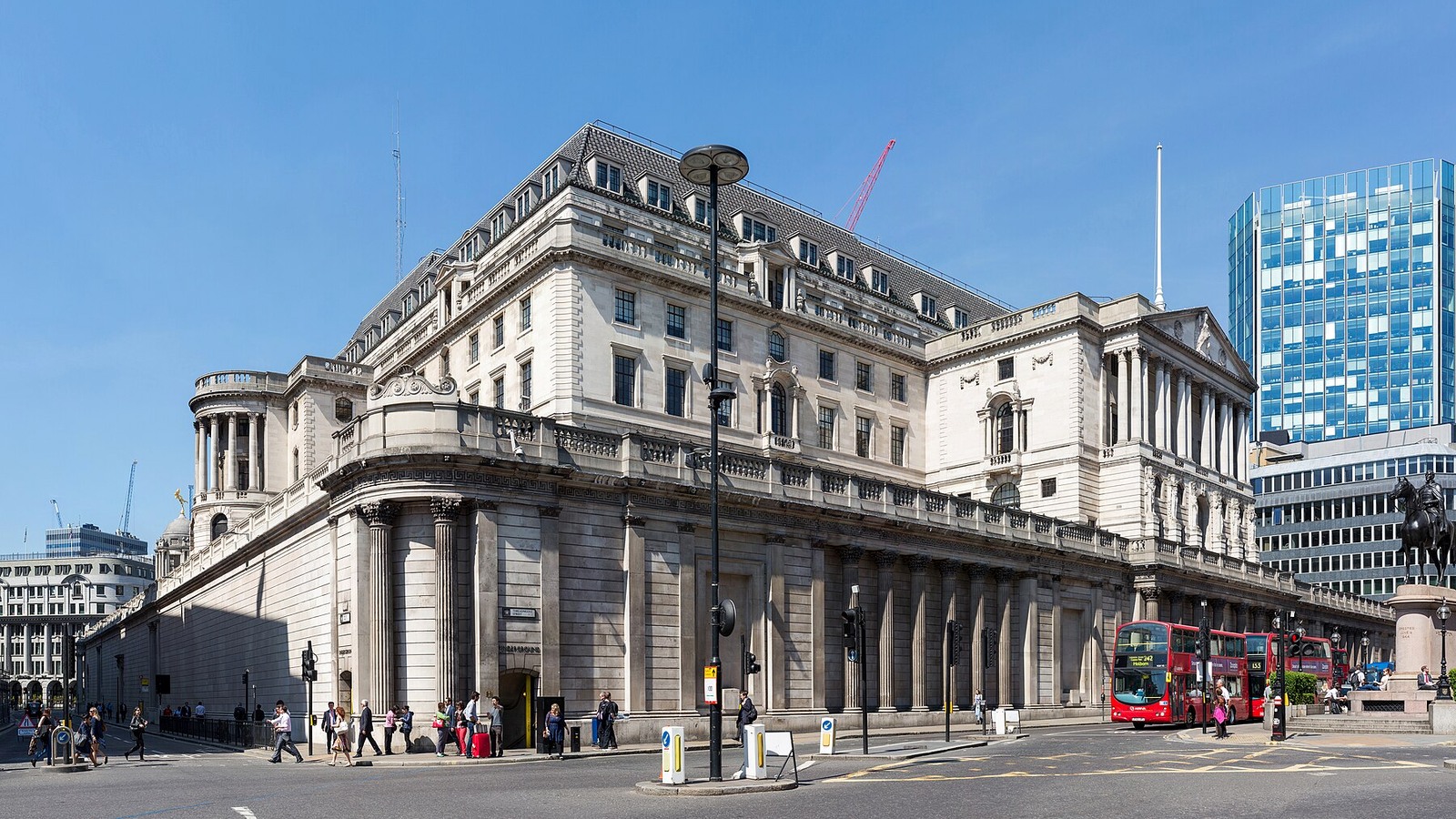
Black Wednesday: The Day a Single Trade Made Billions
On September 16, 1992 — a date now permanently known as "Black Wednesday" — the UK government was forced to withdraw the pound sterling from the European Exchange Rate Mechanism after a wave of currency speculation made…

Understanding Leverage in CFD Trading: Opportunity and Risk
Leverage allows traders to open positions larger than their actual account balance by borrowing capital from a broker. In CFD trading, leverage ratios can range widely depending on the asset class, the broker, and the…