On September 16, 1992 — a date now permanently known as "Black Wednesday" — the UK government was forced to withdraw the pound sterling from the European Exchange Rate Mechanism after a wave of currency speculation made defending its value untenable. At the center of the story was investor George Soros, whose fund reportedly built a short position against the pound worth roughly $10 billion, a bet that the UK's commitment to the ERM's fixed exchange rate band was ultimately unsustainable given the country's economic conditions at the time.
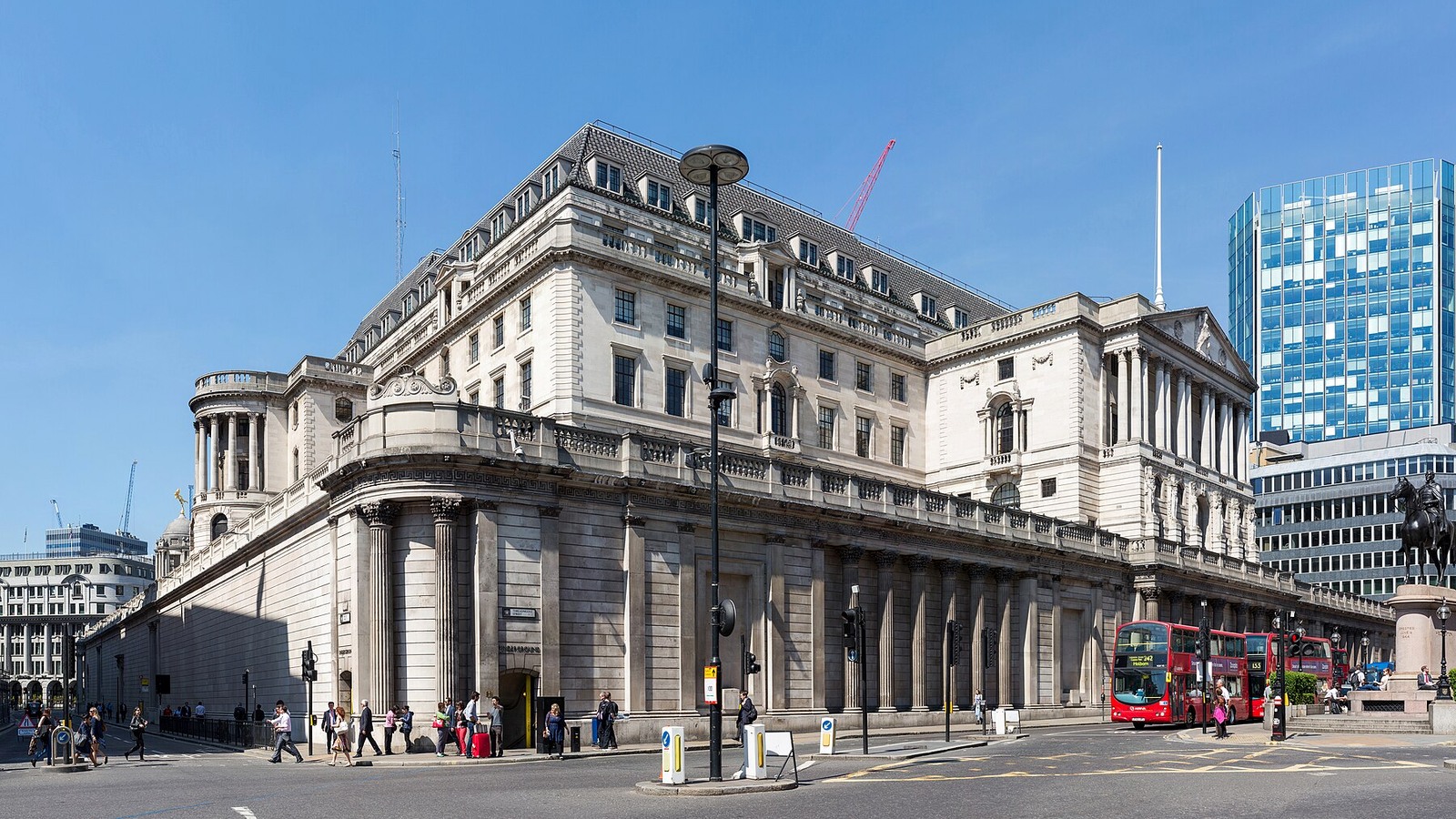
The UK had been attempting to keep the pound within a fixed trading band against other European currencies, requiring the Bank of England to buy pounds and raise interest rates dramatically — at one point to 15% in a single day — to prop up its value. Despite these extraordinary efforts, including reportedly spending billions of pounds in foreign exchange reserves to buy sterling, the pressure from massive short-selling proved too strong, and the government abandoned the peg that evening, allowing the pound to float freely and devalue sharply against other major currencies.
Soros's fund is estimated to have profited over $1 billion from the trade, cementing his reputation as "the man who broke the Bank of England." The episode remains one of the most cited case studies in forex history, illustrating how currency pegs can become vulnerable when market pressure outweighs a central bank's capacity — or willingness — to defend them indefinitely, regardless of how much political will exists to maintain the peg.
Black Wednesday also had lasting policy effects, contributing to a period of British skepticism toward European monetary integration that echoed for decades afterward, and it remains a foundational lesson taught in the study of currency peg vulnerabilities.
Beyond the immediate financial fallout, the episode reshaped how traders and economists think about government credibility in currency markets. It demonstrated that a peg is only as strong as the market's belief that a central bank can and will defend it — once that belief cracks, even a well-resourced institution like the Bank of England can find itself unable to hold the line, a dynamic later echoed in other currency crises around the world.