I’ve been watching the yen’s sudden, rare intervention with a mixture of fascination and caution. When the Ministry of Finance stepped in to support the yen, it sent a clear signal that the currency’s ultra‑low yields may no longer be taken for granted. The immediate effect was a modest appreciation of the yen and a spike in short‑term rates, enough to make the traditional yen‑funded carry trade look less attractive.
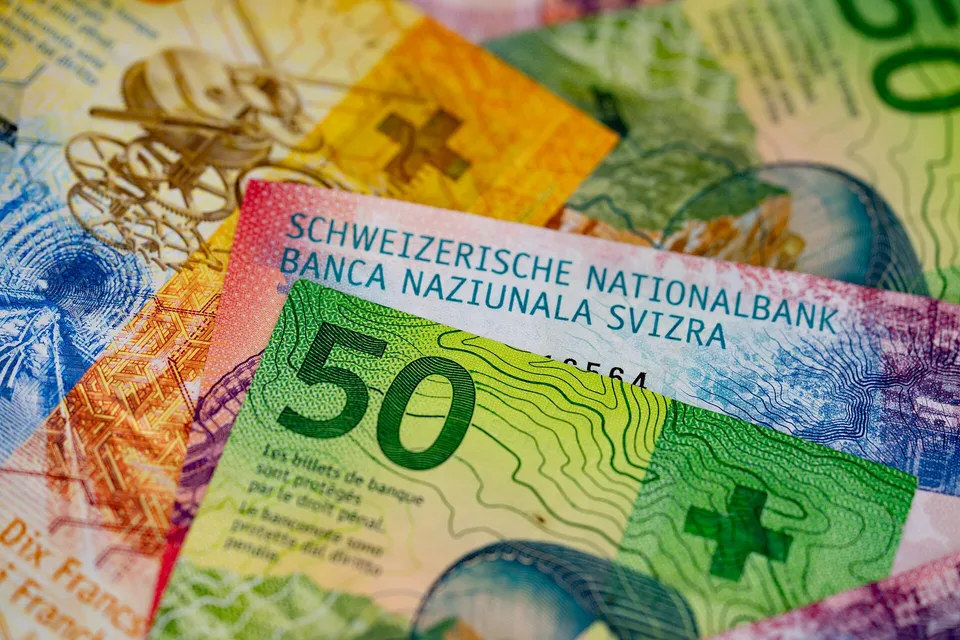
What makes this development particularly interesting for us on the FX desk is the vacuum it creates for a new funding currency. The Swiss franc, long dismissed as a poor funding choice because of the SNB’s negative‑rate legacy, now looks surprisingly cheap. The SNB has kept its policy rate at zero, and with the franc’s safe‑haven aura intact, the cost of borrowing CHF has effectively fallen to the lowest tier in the major‑currency universe.
Contrast that with the yen, where the intervention has nudged the 10‑year JGB yield up a few basis points and introduced the prospect of further policy tweaks. Even a modest rise in Japanese rates erodes the classic “sell yen, buy higher‑yielding assets” carry trade, prompting investors to scout for alternatives. The franc’s combination of low funding cost and a reputation for stability makes it an appealing substitute.
The market reaction has already been visible in the EUR/CHF and USD/CHF pairs. Both have tightened, with the franc gaining roughly 0.5‑0.7% against the euro and the dollar since the intervention. While the move is still modest, it signals a re‑balancing of risk sentiment: traders are reallocating funding from the yen to the franc, and that shift is feeding through to broader euro‑ and dollar‑related pricing.
Of course, the story is not without risks. The SNB remains vigilant about inflationary pressures and could abandon its zero‑rate stance if price dynamics shift. Moreover, the Japanese authorities have not ruled out further interventions, which could destabilise the yen‑funding narrative once more. A sudden reversal in either direction would likely trigger a rapid unwind of the nascent CHF‑funded carry trades.
Looking ahead, I expect the franc to retain its funding appeal for the next few months, provided the SNB’s policy remains unchanged and the yen does not regain its ultra‑low yield status. Traders should monitor SNB minutes for any hint of a policy pivot and keep an eye on Japanese Treasury yields for signs of a more aggressive stance. In the meantime, the CHF is set to become the quiet workhorse of carry‑trade strategies, subtly reshaping the dynamics of the euro and the dollar.
In short, the yen’s brief resurgence has handed the franc a rare opportunity to step out of the shadows. While the franc will never be a high‑yield funding currency, its zero‑rate environment combined with safe‑haven status makes it the most logical choice for cost‑conscious investors looking to chase modest carry returns in a world that still values stability over outright yield.