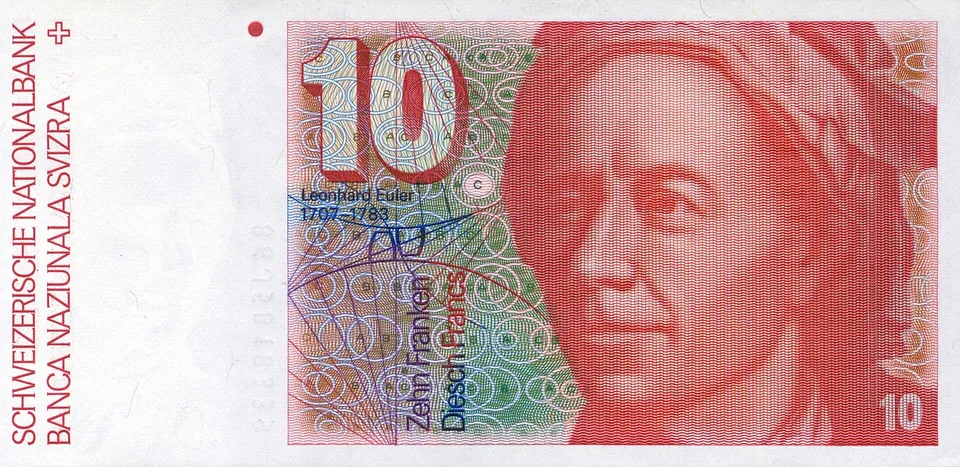
Investors are increasingly eyeing the Swiss franc as a preferred funding currency for carry trades following rare intervention in the yen, which has heightened volatility and intervention risks in low-yielding currencies. The franc, already supported by Switzerland’s persistent current account surplus and safe-haven inflows, has seen its appeal grow as traders seek alternatives to the yen for leveraged positions.
The franc remains significantly stronger than five years ago, trading around 0.9385 against the euro—about 4% below its March 11-year peak of 0.9 but still 12% stronger than in 2021. Against the dollar, the franc is down nearly 7% from its January 11-year high. Swiss interest rates remain at 0%, while Japan’s policy rate stands at 1%, reinforcing the franc’s attractiveness for carry trades.
Bank of America has adjusted its targets for the franc, recommending a short position against the yen with a target of 190 yen per franc, down from the current 196 and previously 200 yen before recent intervention. Rabobank has also revised its 9- to 12-month forecast for the euro/franc exchange rate to 0.95, up from 0.94.
Neuberger Berman’s Fredrik Repton, senior portfolio manager for global fixed income and currency management, noted the yen’s intervention has disrupted traditional carry trade dynamics, prompting a rotation toward the franc. Chris Turner, global head of markets at ING, echoed this sentiment, highlighting the franc’s stability and Switzerland’s robust economic fundamentals as key factors.
The Swiss National Bank (SNB) has reiterated its willingness to intervene if necessary to curb excessive franc strength, which has weighed on Swiss exporters by making their goods less competitive. Despite this, the franc’s long-term strength persists due to low inflation, sound public finances, and its role as a safe-haven asset.
The shift in carry trade strategies comes amid broader uncertainty in global currency markets, with traders recalibrating risk exposure following the yen’s intervention and its broader implications for low-yielding funding currencies.