The dollar index has been hovering near its lowest level since last May, a stark contrast to the steady climb we witnessed through the spring. That pause is not a random wobble; it reflects two converging forces – stubborn food and energy price pressures and a narrowing yield spread between U.S. Treasuries and Japanese government bonds.
Food and energy inflation have re‑emerged as the headline risk in the United States. While core CPI remains the Fed’s primary gauge, the broader basket is now pulling the overall inflation narrative upward, reminding markets that the disinflation process is not linear. That backdrop has nudged the market’s expectations for a more dovish Fed stance, especially if the data series stay above the 2% target.
At the same time, the yield gap that traditionally underpins the dollar’s strength over the yen has been eroding. Ten‑year Treasury yields have settled in the high‑four‑percent range, but Japanese 10‑year yields have crept higher, closing the differential to a level that no longer offers a compelling carry incentive for dollar‑funded yen purchases. In other words, the high‑yield advantage that the dollar enjoyed is fading.
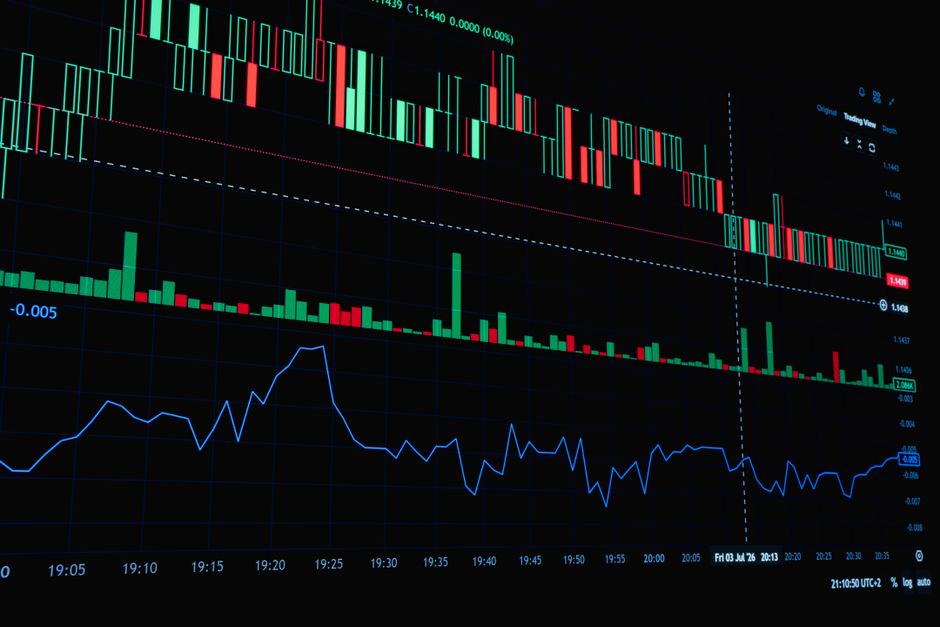
USD/JPY’s steadiness around the 155 mark is a direct market response to that evolving carry picture. The yen, long a safe‑haven currency, is holding its ground as traders await the August U.S. employment report. A solid jobs print could revive risk appetite and give the dollar a modest lift, but the underlying yield compression means any rally is likely to be measured rather than explosive.
The ripple effects extend beyond the yen. A less dominant dollar eases pressure on the euro and the pound, allowing EUR/USD and GBP/USD to test recent resistance levels with a bit more breathing room. In a market where the dollar has been the primary driver of cross‑currency moves, its stalling could usher in a more nuanced, multi‑pair narrative.
Looking ahead, the jobs data will be the next catalyst. A strong payrolls number could reignite expectations of a tighter Fed, briefly widening the yield gap and giving the dollar a bounce. Conversely, weaker employment or continued food‑energy inflation could keep the Fed on the sidelines, reinforcing the current equilibrium and perhaps even prompting a yen rally past 155. The key takeaway is that the dollar is no longer on an unchecked ascent; its momentum is being re‑priced in real time.
In my view, we are entering a phase where the dollar’s dominance is being challenged on two fronts – inflation‑driven policy uncertainty and a diminishing carry edge against the yen. Traders should expect a more balanced FX landscape, where risk sentiment, rather than pure rate differentials, dictates the next moves.