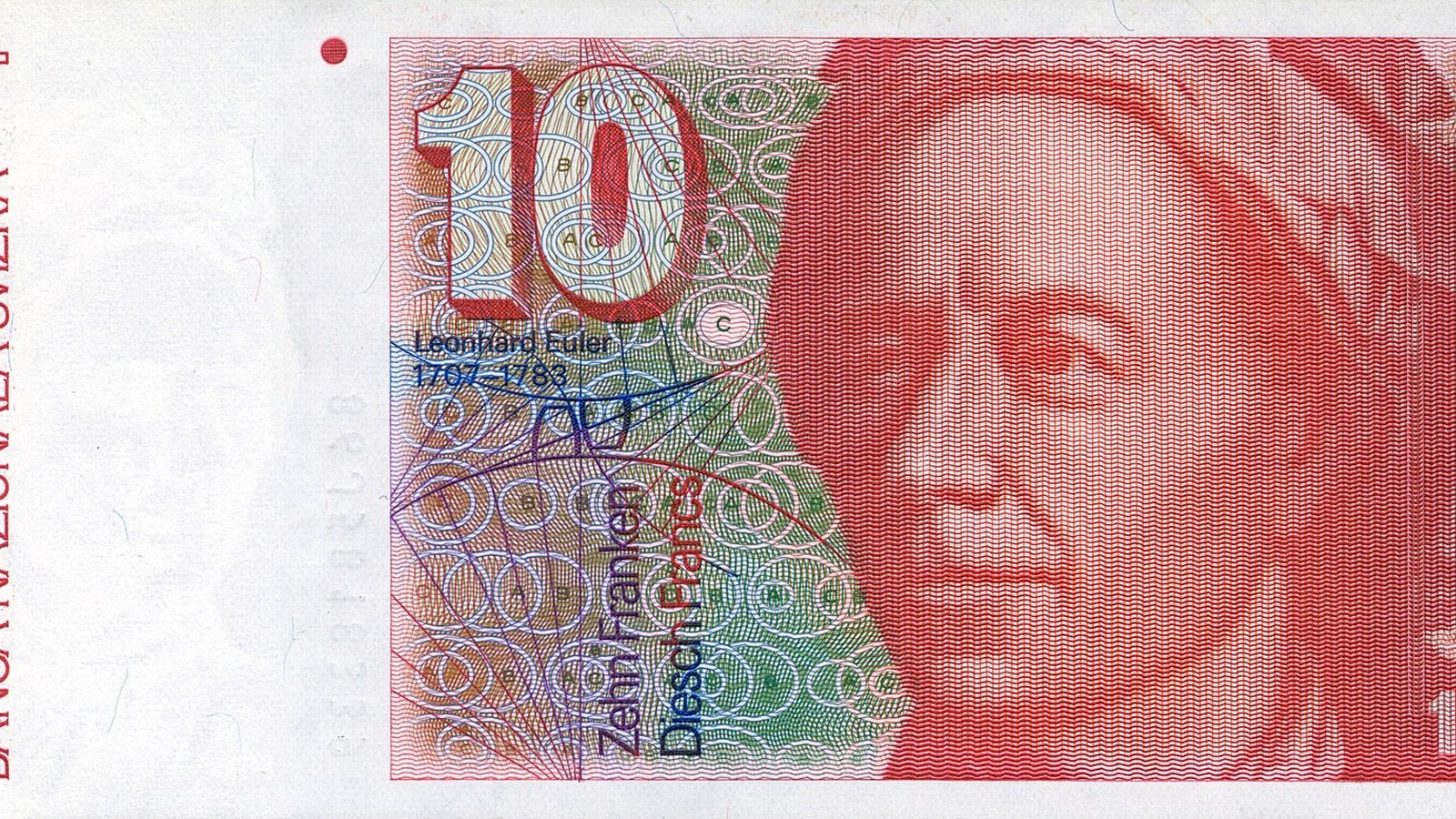
The Swiss franc has a reputation that extends far beyond the borders of Switzerland.
For decades, the CHF has been considered one of the world's most closely watched currencies, particularly during periods of economic uncertainty. When global markets become nervous, attention often turns to Switzerland.
But why?
The answer involves much more than the size of the Swiss economy. Monetary policy, political stability, inflation, international capital flows and Switzerland's financial reputation all contribute to the behaviour of the franc.
## Why the Swiss franc is different
Switzerland combines several characteristics that have historically helped support confidence in its currency.
The country has a highly developed economy, strong institutions and a financial system with significant international relevance. Switzerland has also traditionally maintained relatively low inflation compared with many major economies.
Together, these characteristics have contributed to the franc's reputation as a so-called safe-haven currency.
During periods of geopolitical tension or financial stress, investors may seek assets perceived as more defensive. Increased demand for Swiss francs can consequently push the currency higher against currencies such as the euro or US dollar.
But strength is not always an advantage.
## A strong franc creates winners and losers
For Swiss consumers, a stronger franc can make imported products and international travel relatively cheaper.
For companies selling products abroad, however, the situation can be very different.
Imagine a Swiss company manufacturing a product domestically and selling it throughout the eurozone. Its costs may be largely denominated in francs while much of its revenue arrives in euros.
If the franc appreciates significantly against the euro, converting those euros back into CHF can reduce the value of the company's foreign revenue.
This is one reason currency movements matter far beyond forex trading.
They can influence corporate earnings, export competitiveness, tourism, inflation and ultimately the wider Swiss economy.
## The SNB is always part of the equation
The Swiss National Bank plays a central role in this relationship.
Interest-rate decisions, inflation expectations and comments from policymakers can influence expectations surrounding the franc.
In June 2026, the SNB maintained its policy rate at 0% and reiterated that it was prepared to intervene in foreign exchange markets if necessary to counter a rapid and excessive appreciation of the franc.
For market participants, this means CHF movements cannot be analysed only through charts.
Monetary policy matters.
## CHF is connected to global markets
The Swiss franc also demonstrates how interconnected modern financial markets have become.
A geopolitical event thousands of kilometres away can change global risk sentiment. That can affect demand for the franc, which can influence Swiss exporters and potentially affect Swiss equities.
One event can therefore move several asset classes simultaneously.
Platforms providing access to different global markets, such as Novara, allow traders to monitor instruments across forex, indices, commodities and equities through CFDs from a single environment.
The important point, however, is understanding what connects those markets rather than simply watching individual price movements.
## Strong does not mean predictable
Calling the Swiss franc a strong or defensive currency does not mean its direction can be predicted.
Currencies react to expectations.
Inflation data, interest-rate expectations, central-bank communication, geopolitical developments and economic indicators can quickly alter market sentiment.
Sometimes the most important question is not whether economic news is positive or negative.
It is whether the news was better or worse than the market expected.
That difference often explains why currencies move in ways that initially appear surprising.
For anyone following Switzerland's financial markets, understanding the franc is therefore essential.
Through platforms such as Novara Markets, market participants can access forex and other global markets through CFDs, but access should always be accompanied by an understanding of volatility, leverage and risk.
The Swiss franc may be famous for stability.
The forces determining its price are anything but simple.