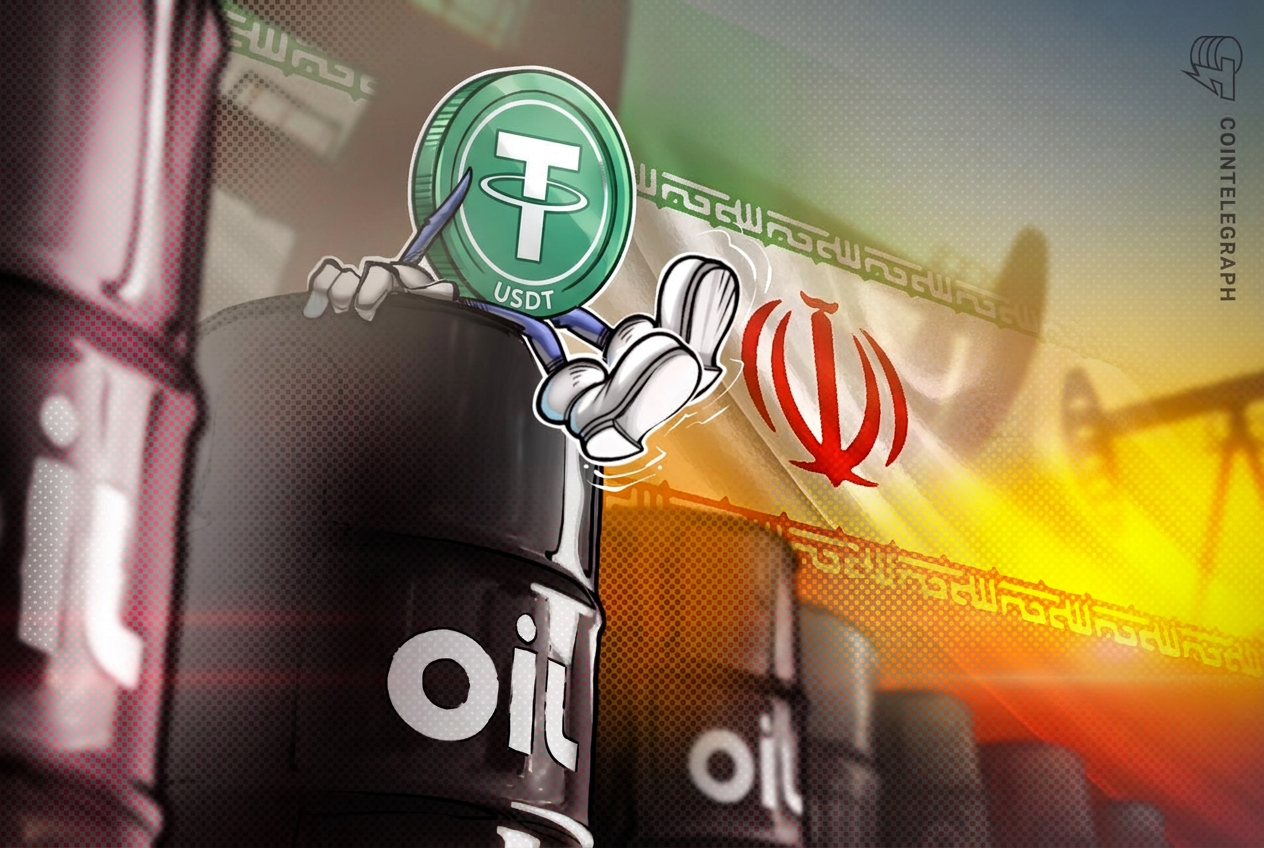
The U.S. Department of Justice is seeking civil forfeiture of more than $61 million in Tether’s USDT stablecoin, alleging the assets were proceeds from black-market sales of sanctioned Iranian oil. The complaint says the funds were intended to finance Iran’s government and military, including the Islamic Revolutionary Guard Corps.
The DOJ alleged that Blessed Trust and Hexa Whale, both incorporated in Hong Kong, used Binance accounts to move proceeds from oil sold to buyers in China. It said a network of related addresses received and distributed more than $1.5 billion, including transfers to IRGC-linked money-transfer businesses, cryptocurrency addresses and an Iranian exchange.
A Binance spokesperson said the exchange did not permit transactions with sanctioned individuals and would continue cooperating with law enforcement, including by investigating, restricting or freezing accounts where appropriate. The spokesperson said the case was not filed against Binance and did not allege wrongdoing by the exchange.
According to the complaint, Tether froze about 61.19 million USDT across 10 addresses on the Tron network in 2025. A seizure warrant would authorize the FBI to take custody by having Tether destroy the frozen tokens and issue replacements of equal value for transfer to an FBI-controlled hardware wallet. Tether had not responded to a request for comment by publication.
The DOJ said the allegations in the civil forfeiture complaint had not been proven and that the United States would obtain permanent ownership only if a court entered a forfeiture judgment in its favor. The action follows the U.S. Treasury’s August expansion of its Iran sanctions framework to cover the country’s digital asset sector, allowing authorities to target foreign individuals and companies operating in or supporting the sector.
The Treasury previously alleged that UAE-based broker Ivan Obukhov processed more than $100 million in crypto payments since 2023 to facilitate Iranian oil sales for the IRGC’s Quds Force.
The enforcement action comes as Washington expands financial pressure on Tehran and the U.S.-Israeli war with Iran disrupts energy infrastructure and oil shipments across the Middle East. Oil prices rose Tuesday after attacks on Saudi infrastructure and continued reductions in vessel traffic through the Strait of Hormuz.
Reuters reported that Saudi Arabia’s East-West pipeline remained offline after Friday attacks that Riyadh blamed on Iran-backed fighters in Iraq, while Iran-backed Houthi forces launched separate missile and drone attacks on Saudi Arabia on Monday. At the time of writing, Brent crude traded at about $107.59 per barrel, up 1.81%, while WTI traded at roughly $103.35, up 1.93%.