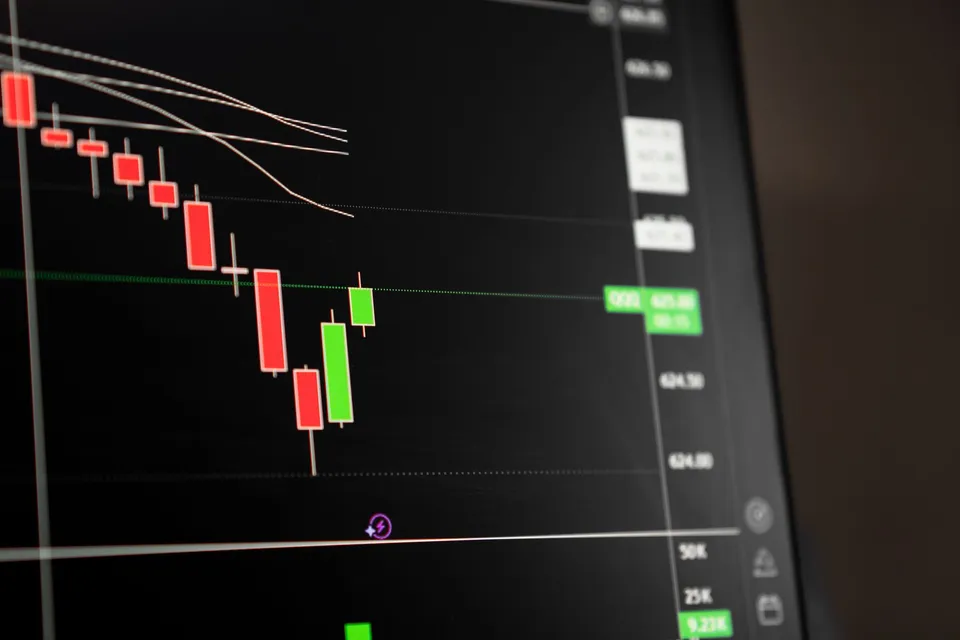
U.S. equity markets are entering a historically volatile stretch as midterm elections approach, with recent trading patterns mirroring the choppy conditions observed in 2018 and 2022, according to RBC Capital Markets. The S&P 500 typically peaks in early fall, dips in October, rallies in November, and weakens again in December, a cycle that has repeated in both prior midterm years despite differing macro backdrops.
In 2018, the market was weighed down by Federal Reserve tightening and trade policy uncertainty, while 2022’s volatility coincided with rate hikes, a tech earnings recession, and the Russia-Ukraine war. This year’s setup includes elevated price momentum in the S&P 500 and Russell 2000, though earnings quality has lagged, according to RBC’s analysis of recent trading dynamics and second-quarter earnings commentary.
Sector performance during midterm drawdowns has followed a consistent playbook. Consumer Staples and Health Care have historically outperformed during declines, while Technology and Consumer Discretionary lagged. During subsequent rebounds, Financials, Industrials, and Materials have led, with Communication Services, Consumer Staples, and Health Care trailing. Current valuations reflect this uncertainty: the S&P 500 and Nasdaq 100 trade at forward P/E ratios near the middle of their post-COVID range, while the Russell 2000’s multiple sits around historical averages.
RBC’s top strategist, Lori Calvasina, maintains a constructive outlook for the S&P 500 over the next 12 months, citing the interest rate environment as the primary risk to that view. Pullbacks are expected to remain contained within 5-10% unless recession risks or a sharp rise in rates materialize. Growth and U.S. equities retain a slight edge over Value and non-U.S. peers, she added.
The firm’s Tech Titans strategy, launched in November 2023, has more than doubled the S&P 500’s performance, highlighting winners like Siemens Energy (+231.5%) and Sandisk (+189%).