Switzerland's population is among the most travel-oriented, with most residents planning at least two foreign trips a year. The rise of the upper middle class in other countries is also pushing international overnight stays higher. Global tourism reached a record high last year with more than 1.5 billion overnight guests, and another record is expected this year. The increase is intensifying tensions in several destinations, where residents are protesting over housing affordability, infrastructure strain and the displacement of local communities. Digital nomads are also drawing criticism in some markets.
Spain is the most visible flashpoint. The country is set to host more than 100 million foreign tourists for the first time this year. On the Balearic island of Ibiza, demonstrators occupied the Cala Saladeta beach area this weekend, distributed watermelons to residents and blocked access for foreign visitors, according to international media reports. Protesters said the tourism model is making life unaffordable for locals. On Mallorca, residents formed a kilometre-long sit-in on folding chairs a week earlier, symbolising a waiting queue for rental housing in Palma. In late July, tens of thousands protested under the slogan Mallorca am Limit. In Barcelona, long-running demonstrations have recently focused on a planned airport expansion that would raise capacity to 70 million passengers a year, with protesters using the slogan No more tourists. Confrontations between demonstrators and tourists in Barcelona have sometimes turned abusive.
In Lisbon, housing costs have diverged sharply from wages. Euronews reported that the median price for a shared apartment room is now above 500 euros, close to the minimum wage. Entire streets have been converted into short-term rentals. Since the end of last year, the city government has tightened rules, capping holiday homes at 10% of housing in a neighbourhood and removing about 40% of short-term rental licences this year. Some providers are shifting to multi-month leases, often targeting digital nomads for whom Lisbon remains relatively affordable.
Greece is experiencing similar pressure. Eurostat data cited in the source show that households often spend around 40% of net income on housing. More than 25,000 people protested in Thessaloniki this weekend, according to ABC News. The country's tourism boom contrasts with a broader purchasing-power squeeze. The problems resemble those in other Mediterranean states. Platforms such as Airbnb and Booking have expanded, while the government has issued golden visas to wealthy non-EU residents who purchase property. Residents in Athens have been displaced from central areas. Protests have also targeted cruise tourism and overtourism. On Santorini, bus drivers staged a strike in June as the island receives about 3.4 million visitors a year despite a population of roughly 15,000. Complaints include overcrowded streets, crowding in Oia, water shortages and waste. Authorities have introduced an entry fee for cruise passengers, limited daily landings to 8,000 and imposed a temporary ban on new hotel construction.
France remains the world's most-visited country, and social-media trends are concentrating visitors in places such as Marseille. Protests there in August focused on declining quality of life for residents, according to Capital. The city now has more than 13,000 Airbnb listings, and crowds have strained beaches, parking and food prices. Paris and Nice have also seen repeated demonstrations this year over historic neighbourhoods turning into tourist zones and the loss of affordable housing. Residents in some areas have damaged Airbnb key boxes, a tactic also reported in Split, Croatia.
In Italy, younger residents in Milan, Bologna, Rome and Florence have taken to the streets. Milan is described as the country's most expensive city, with little affordable housing for young people. Political pressure has led to stricter rules: operators offering more than three apartments on platforms such as Airbnb are to be taxed as commercial businesses, intended to relieve pressure on the housing market. Rome, Venice and Florence have also seen regular protests over the protection of historic heritage, as visitor numbers strain infrastructure around sites such as the Colosseum.
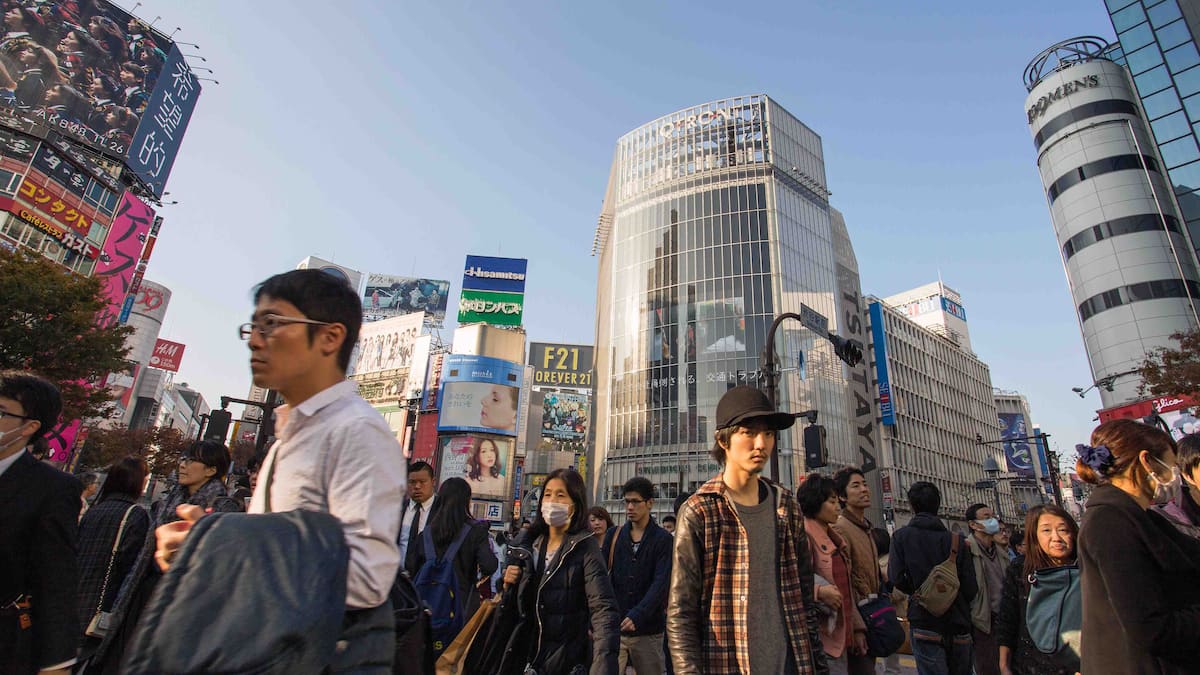
Japan's record visitor numbers, supported by a weak yen and double-digit guest growth, have prompted more confrontational responses. In Fujiyoshida, a popular cherry-blossom festival was cancelled in spring after residents complained about waste, traffic and tourist behaviour. A protective barrier was also installed at a Mount Fuji photo spot to stop visitors from blocking the view.
In Mexico City and coastal areas, protests are growing over displacement as foreign investors buy residential blocks and rent them at higher prices to digital nomads.