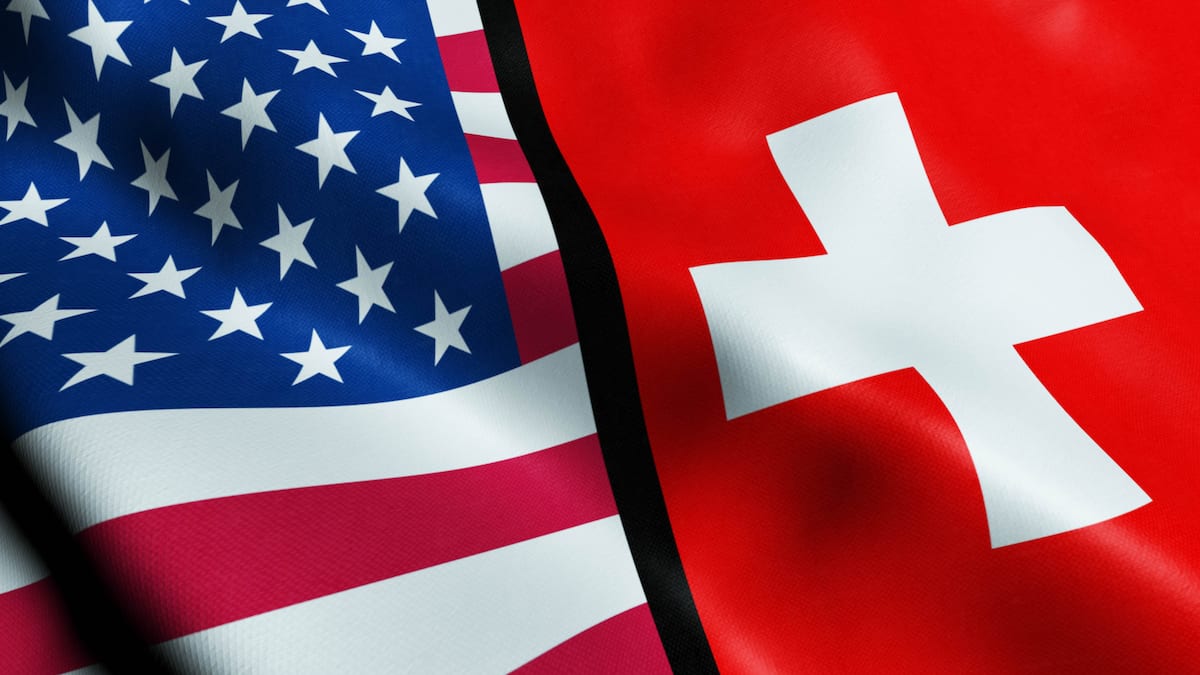
Swiss companies could receive up to $2 billion in US tariff refunds, according to economists at UBS, following a US Supreme Court decision that struck down the tariff regime originally imposed by President Donald Trump.
The largest potential reimbursements, covering goods exported between April 2025 and February 2026, relate to precision and medical instruments as well as watches, UBS said Thursday. Other refunds mainly concern coffee, machinery and electrical equipment.
Exporters may not receive the full amount, UBS noted, because refunds formally go to importers rather than the exporting firms.
UBS also expects official US tariffs on Swiss goods to rise from the current 12.5 percent to 15 percent, consistent with a framework agreement reached in November. However, economists stressed that effective tariff rates remain well below that level — currently around 6 percent — because pharmaceuticals, Switzerland's most important export, are largely exempt from duties.
On the domestic economy, UBS analysts said Switzerland's above-average 1.5 percent GDP growth in the second quarter likely overstated the true strength of the economy but still signaled improvement. "This appears somewhat exaggerated and does not fully reflect reality," said analyst Alessandro Bee, adding, "But we do see signs of a recovery."
Looking ahead, UBS expects unemployment to decline and inflation to fall below 1 percent in 2027. The bank anticipates the Swiss National Bank will raise interest rates for the first time around mid-year, although it acknowledged the risk that the central bank could move earlier.