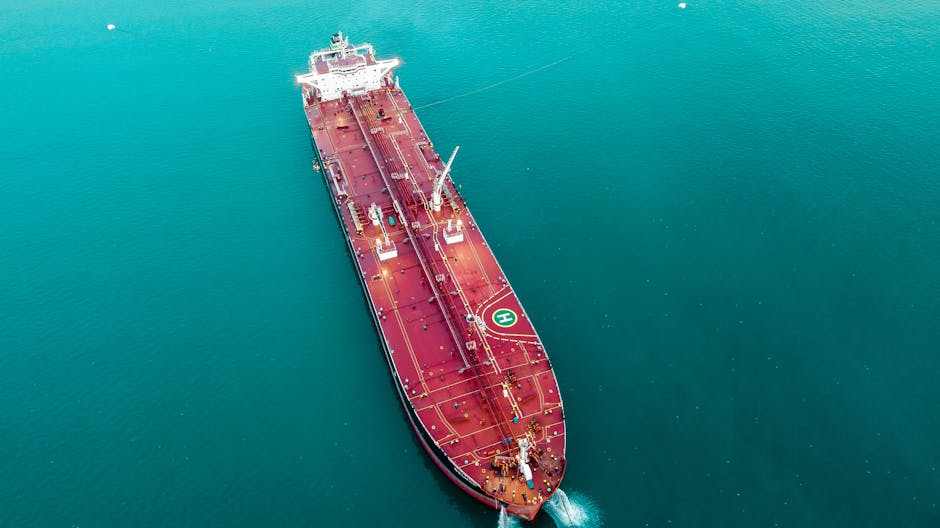
An oil tanker navigating the Strait of Hormuz was struck by an unidentified projectile on Tuesday, igniting a fire but causing no reported crew injuries or environmental damage. The incident occurred in the waterway separating Oman and Iran, a corridor that has seen heightened tensions since the start of a U.S.-Israeli military campaign against Iran earlier this year.
The United Kingdom Maritime Trade Organization issued a statement on Thursday confirming the attack, while Iran has not claimed responsibility. The Strait of Hormuz, through which roughly one-fifth of global oil and liquefied natural gas shipments transit, has been effectively restricted by Iran since the conflict escalated.
Diplomatic efforts to de-escalate the crisis are underway. Qatar’s Prime Minister Sheikh Mohammed bin Abdulrahman Al Thani visited Tehran to discuss a proposed phased framework for a temporary shipping corridor in the Strait of Hormuz, alongside plans to clear mines from the channel. The proposal follows U.S. threats of additional sanctions and economic pressure on Iran, which Tehran described as an “all-out economic war.”
Pakistan’s Field Marshal Asim Munir also traveled to Tehran in an attempt to revive an expired interim ceasefire deal. Meanwhile, U.S. President Donald Trump stated in an interview with Al Jazeera that there is no set timeline for ending the six-month-old conflict with Iran.
Global markets reacted to the developments, with Brent crude oil futures falling 3.49% to $87.38, while WTI crude declined 0.28% to $83.30. European equities slipped, with the FTSE 100 down 0.79% and the Euro Stoxx 50 shedding 0.73%. In contrast, U.S. and Asian benchmarks showed resilience, with the S&P 500 up 0.72% and the Nikkei 225 gaining 0.64%.