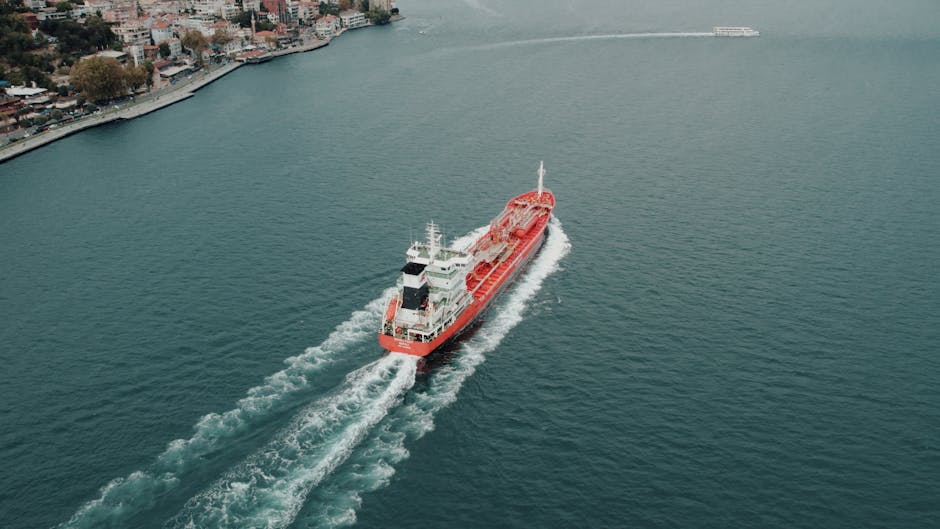
Crude oil futures fell more than 2% on Tuesday after Iran and Oman resumed negotiations regarding the Strait of Hormuz, a critical chokepoint for global oil and liquefied natural gas shipments.
Brent crude futures dropped 2.6% to $86.30 per barrel at 05:17 Brasília time before easing to $85.25, a decline of 2.31% or $2.02. West Texas Intermediate U.S. futures fell 2.7% to $80.18 per barrel, later trading at $80.29, down 2.51% or $2.07. The declines followed a prior session drop of more than 5%.
Tanker traffic through the Strait of Hormuz, which accounts for roughly one-fifth of global oil and LNG flows, totaled just five cargo ships on Tuesday, down from a 10-day moving average of 15. Before the late-February conflict escalated, the strait handled significantly higher volumes.
Iran and Oman agreed on a new temporary shipping route during talks in Tehran, according to an Iranian official cited by Al Jazeera. However, the strait will not fully reopen until the U.S. meets commitments outlined in a June ceasefire framework agreement, the official said.
Analysts cautioned that geopolitical risks remain embedded in oil prices. "A geopolitical risk factor will be permanently embedded in the price," said analysts at Vital Knowledge. ING analysts added that an Iran-Oman accord "does not mean that we will see a normalization of oil flows through the main choke point." They noted that Washington would need to "lift the blockade on Iranian ports and ease sanctions against Iran before any move toward normalization."
The Strait of Hormuz has been a persistent flashpoint in Middle East energy markets since late February, when regional tensions flared. A June ceasefire mediated by Pakistan between the U.S. and Iran established a temporary framework, though full normalization of shipping remains contingent on further diplomatic progress.