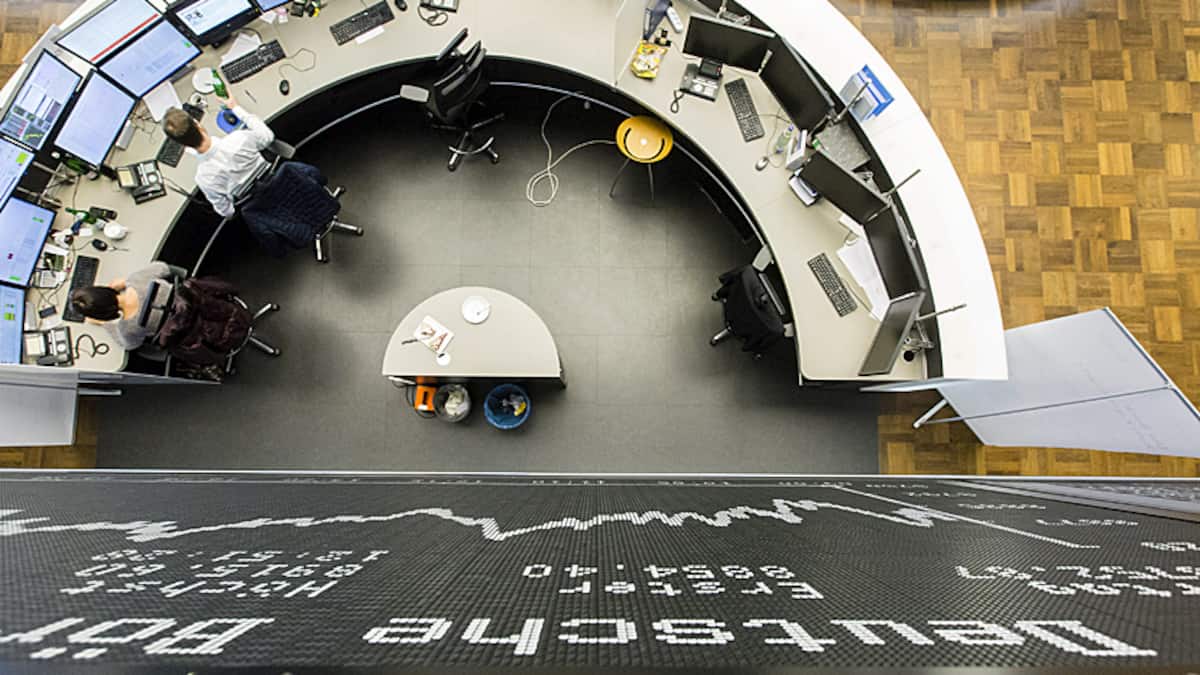
European equity markets opened lower on Tuesday under the weight of persistently high oil prices and renewed concerns over inflation and interest rates. Switzerland's SMI fell 0.7% to 14,293 points, Germany's DAX slipped 0.4% to 25,931 points and the EuroStoxx50 lost 0.2%.
Brent crude and US WTI each rose 1.7% in the session, reaching $97.93 and $93.04 per barrel respectively, after supply worries in the Strait of Hormuz pushed tanker traffic to its lowest level since May. Analysts at ANZ warned that ongoing US‑Iran confrontations could further delay the restoration of Middle‑East oil flows, while Goldman Sachs projected that oil could climb to $120 a barrel if the tension persists.
The price rally adds to inflation and rate anxieties across the region. The European Central Bank is expected to raise its deposit rate by a quarter‑point on Thursday to 2.50%, a move aimed at curbing price pressures. In the United States, traders assign a 57% probability to a Federal Reserve rate hike in September following a stronger‑than‑expected jobs report. The dollar index fell 0.3% to 98.83, while the euro edged slightly higher to $1.1626.
Sector‑specific moves were mixed. German chip makers led gains, with Infineon up more than 3% and MDAX peers Suss Microtec (+4.2%), Aixtron (+2.9%) and Elmos Semiconductor (+2.9%) advancing on renewed optimism for artificial‑intelligence demand. The US semiconductor index had risen 3.4% on Friday.
Real‑estate stocks lagged. Vonovia dropped 2% after Goldman Sachs downgraded the German landlord from "Buy" to "Neutral". Aroundtown, LEG Immobilien, TAG Immobilien and Deutsche Wohnen each fell between 1% and 1.8% amid concerns that higher financing costs could dampen the sector.
Swiss pharma also felt the pressure. Novartis shares slid more than 3% after a setback in the development of a new heart medication.
Political developments added to market unease. The AfD’s strong showing in the Saxony‑Anhalt state election, though short of an absolute majority, intensified debate within the CDU about leadership and policy direction, according to Commerzbank analyst Ralph Solveen.
Overall, the combination of near‑$100 oil, looming rate hikes and geopolitical friction created a cautious tone across European markets, with investors weighing the risk of prolonged energy price spikes against the prospects for a broader economic recovery.