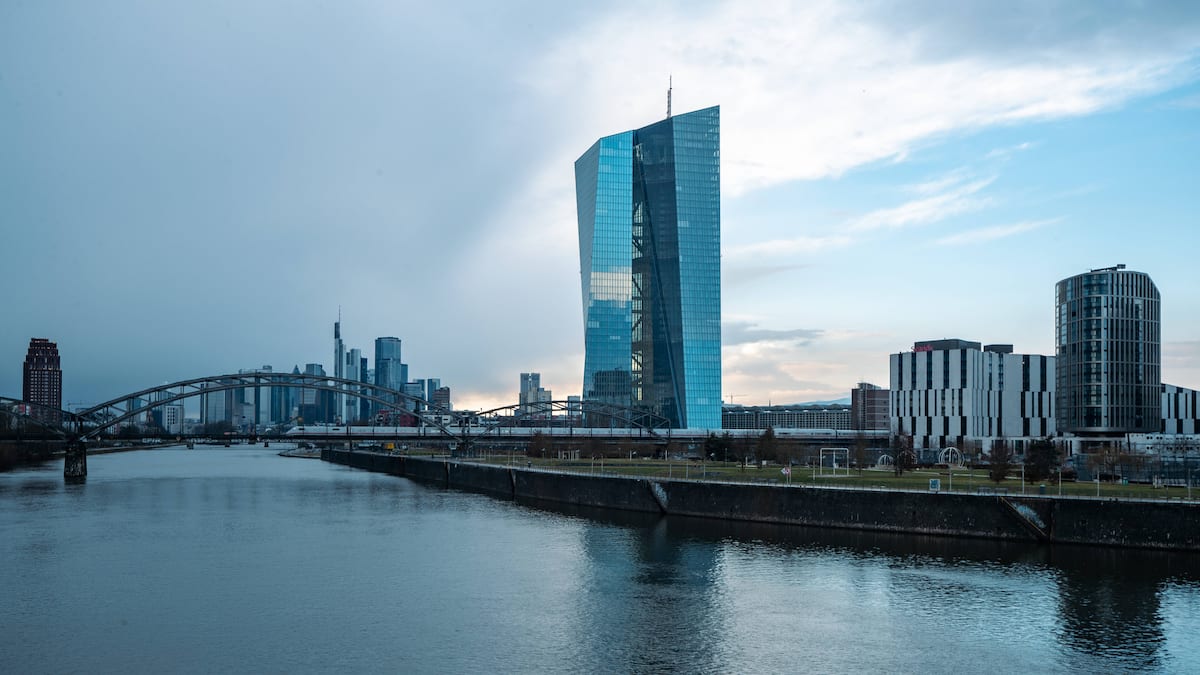
The European Central Bank raised its key deposit rate by a quarter percentage point to 2.50%, the highest level in roughly a year and a half, as policymakers pressed on against persistent inflation.
Economists had widely anticipated the move. The ECB governing council approved the hike on Thursday.
Jörg Asmussen, chief executive of the German Insurance Association (GDV), said the 25-basis-point increase was a logical response to an inflation rate of 3.3% in the euro area. However, he noted the latest inflation surge was driven largely by sharply higher energy prices, while core and services inflation showed signs of slight easing.
"For the ECB it remains a difficult balancing act," Asmussen said. "It must prevent the energy shock from feeding through into broader price developments and inflation expectations, even though rate hikes dampen demand but cannot directly address supply shocks." He added that the direction of the decision was correct.
Ulrich Reuter, president of the German Sparkassen and Giroverbund (DSGV), called the ECB's action consistent. While the central bank cannot prevent higher energy prices — Reuter cited the closure of the Strait of Hormuz as a factor – he said it can influence whether prices rise permanently and across the board.
Reuter also pointed to shifts in capital market conditions over recent weeks, noting that long-term interest rates have already risen significantly. He attributed the climb to ongoing inflationary pressure as well as growing concerns over high government debt levels across several member states. Inflation in the euro area reached 3.3% in August, according to DSGV figures.
The decision underscores the ECB's continued reluctance to declare victory over inflation despite some softening in underlying price pressures, even as external energy risks continue to mount.