Duratec Limited reported a 10.5% increase in normalized EBITDA to $58.5 million for the fiscal year ended June 30, 2026, as revenue remained essentially flat at $570.3 million versus $573.0 million a year earlier.
The company’s EBITDA margin expanded to 10.3% from 9.2%, supported by a 190-basis-point rise in gross margin to 20.5%. Net profit after tax increased 4.1% to $23.8 million, while earnings per share climbed to 9.25 cents from 9.10 cents. Dividends were maintained at 4.25 cents per share, fully franked, representing a payout ratio of approximately 46%.
Gross profit rose 9.9% to $116.9 million, with operating cash flow totaling $37.3 million and a 74% cash conversion rate relative to EBITDA. Capital expenditure reached $12.1 million for plant and equipment and $14.4 million for acquisitions, leaving cash at $78.8 million and net assets up 26.2% to $93.8 million.
Revenue composition by segment showed defence at 28%, building and façade at 24%, mining and industrial at 20%, energy at 16%, and emerging sectors at 12%. Defence revenue declined 13% to $157.8 million due to project timing, though gross margin improved to 17.4% from 13.0%. The company highlighted progress on the HMAS Stirling Diamantina Wharf upgrade and ISO 19443 accreditation.
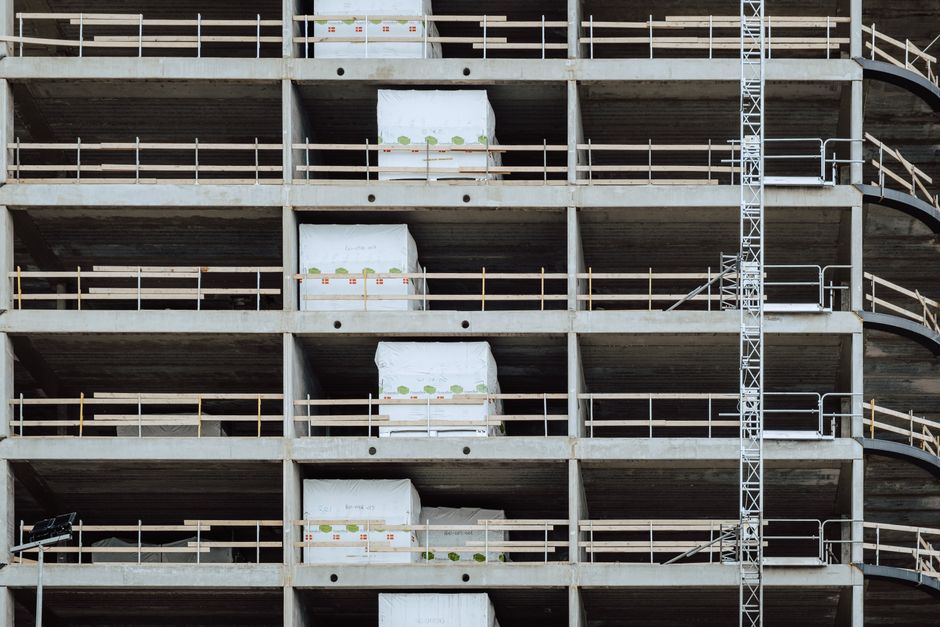
Mining and industrial revenue fell 16.3% to $114.3 million, yet gross margin expanded to 23.0% from 20.3%. Building and façade delivered record revenue of $138.8 million, up 24.1%, with record margins of 19.9%. Energy was the fastest-growing platform, with revenue up 11.0% to $91.6 million.
The order book surged 66.9% to $650.8 million, with 70% to 80% of the backlog—valued at $455 million to $520 million—expected to be delivered in FY27. Submitted tenders totaled $1.3 billion, and the project pipeline stood at $4.8 billion. Recurring revenue from master services agreements reached $185 million, or 32.5% of total revenue.
Workforce grew to 1,580 employees, and the company reported zero lost-time injuries in FY26. Duratec reiterated its target to reduce Scope 1 and 2 emissions intensity by 30% to 50% by 2035.